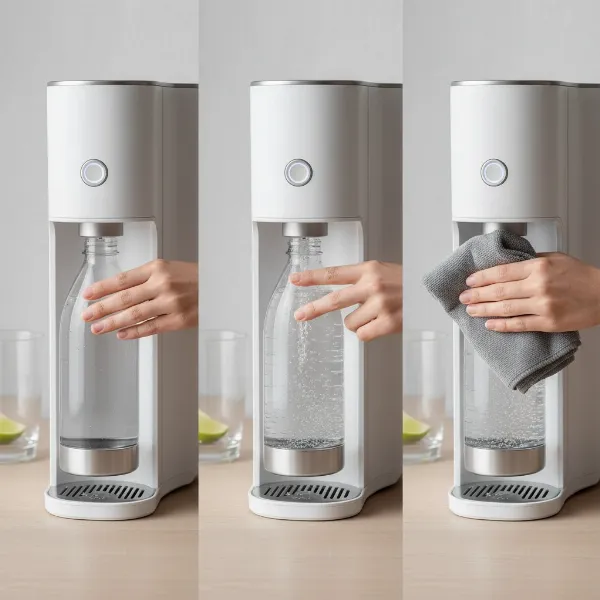
There’s nothing quite like the refreshing fizz of sparkling water. It’s a healthy, hydrating alternative to sugary sodas, offering a delightful effervescence that invigorates the senses. Yet, for many home carbonation enthusiasts, a common and perplexing problem arises: why does your homemade sparkling water sometimes taste distinctly salty? This unexpected flavor can turn a refreshing drink into a disappointing experience, leaving you wondering if your taste buds are playing tricks on you. Fortunately, this isn’t a mystery without answers. Understanding the various factors that contribute to a salty taste in your sparkling water is the first step to restoring that pure, crisp bubbly delight you crave. From your water source to your carbonation technique, several elements can influence the final flavor. This comprehensive guide will explore the root causes of salty-tasting sparkling water and provide practical, expert-backed solutions to ensure every sip is perfectly refreshing.
Decoding the Taste: Why Does Sparkling Water Sometimes Taste Salty?
At its core, sparkling water is simply water infused with carbon dioxide (CO2) gas, creating those beloved bubbles. This process forms carbonic acid, which contributes to the signature tangy or slightly acidic flavor. However, when your sparkling water develops an unwelcome salty note, it’s a clear signal that something else is at play beyond simple carbonation. The perception of saltiness can stem from a complex interplay of dissolved minerals, added compounds, and even the equipment used to create your fizzy drink. It’s important to distinguish between naturally occurring mineral flavors, which some find appealing, and an overt salty taste that detracts from the refreshment. Understanding the chemical reactions and the impact of various water components is crucial to diagnosing and rectifying this common taste issue.
The Usual Suspects: Common Causes Behind Salty Sparkling Water
Several factors can contribute to that unpleasant salty taste in your sparkling water. Pinpointing the exact cause often requires a bit of detective work, but focusing on these common culprits will lead you closer to a solution.
One primary reason for a salty taste is the presence of dissolved minerals in your source water. Tap water, depending on your geographic location, can contain varying levels of minerals like sodium, magnesium, and calcium. When water is carbonated, these minerals can become more pronounced, leading to a noticeable mineral-y or even salty flavor. Sparkling mineral waters, by definition, contain natural minerals, and some brands might naturally have higher sodium content, which can be perceived as salty. [cite: 1-4, 2-5, 3-3, 4-1]
Another significant factor, particularly if you’re experiencing a sudden change in taste, could be a malfunctioning water softener. Water softeners work by exchanging hard water minerals (like calcium and magnesium) for sodium ions. If the softener isn’t regenerating correctly, has blockages in its valves, or is improperly programmed, it can introduce an excessive amount of sodium into your household water supply, making all your water, including your sparkling water, taste salty. [cite: 2-1, 2-2]
For those who purchase commercially bottled sparkling water, especially varieties labeled as “club soda” or “soda water,” the salty taste might be by design. These products often contain added sodium salts like sodium bicarbonate, sodium citrate, or sodium chloride. These salts are deliberately included to balance the pH, enhance the fizziness, and create a specific flavor profile that complements mixed drinks. [cite: 1-1, 1-2, 1-4, 3-5, 4-1] While some people enjoy this, it’s a common reason for a salty perception.
Lastly, the carbonation process itself, particularly the formation of carbonic acid, can sometimes be misinterpreted by the palate. While carbonic acid typically imparts a tart or acidic taste, an overly harsh carbonation or an imbalance can lead some individuals to perceive a bitter or even slightly salty sensation, especially when no other flavors are present to mask it.
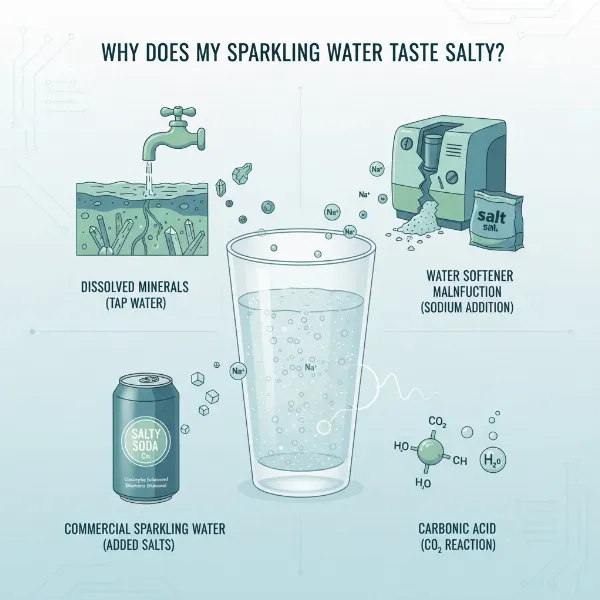 Illustration of salty sparkling water causes: minerals, softener, added salts, carbonation.
Pinpointing the Problem: A Comparison of Salty Taste Factors
Identifying the source of the salty taste is key to resolving it. Here’s a comparative look at the common factors and their characteristics:
| Factor | Description | How it Contributes to Salty Taste | Key Indicators |
|---|---|---|---|
| Source Water Minerals | Naturally occurring dissolved solids in tap, well, or bottled mineral water (e.g., sodium, magnesium). | Minerals, particularly sodium, become more noticeable when water is carbonated. | Consistent salty/mineral taste regardless of carbonator; taste present even in still water. |
| Water Softener Malfunction | System designed to remove hard water minerals by replacing them with sodium. | Excess sodium introduced due to incorrect regeneration, blockages, or faulty components. | All household water (tap, showers) tastes salty; recent change after softener maintenance/installation. |
| Added Salts in Commercial Products | Deliberate addition of sodium compounds (bicarbonate, citrate, chloride) by manufacturers. | These sodium-based buffer chemicals are intended to balance pH and enhance flavor. | Taste specific to certain brands or types (e.g., club soda vs. seltzer); listed in ingredients. |
| Carbonation Level/Carbonic Acid | CO2 dissolved in water forms carbonic acid, creating tartness; overly harsh carbonation. | Acidity can sometimes be perceived as bitter or slightly salty by some palates; off-gassing. | Taste often accompanies very strong fizz; sometimes more noticeable as carbonation fades. |
“The subtle nuances in water chemistry, often overlooked, can dramatically impact the final taste of your sparkling beverage. Even minor shifts in mineral content become amplified under carbonation, making water quality paramount for a pure taste experience.” – Dr. Elena Petrova, Water Quality Specialist
Crafting the Perfect Fizz: Choosing Your Water and Equipment Wisely
The quality of your sparkling water begins long before the carbonation process—it starts with the water you choose. Selecting the right base water and ensuring your equipment is in top condition are critical steps in preventing an undesirable salty taste.
First, consider your water source. If you’re using tap water, its mineral composition can vary significantly by region. Hard water, rich in minerals, can contribute to a more pronounced, sometimes salty flavor when carbonated. To counteract this, many enthusiasts opt for filtered water. A simple Brita filter can remove chlorine and some impurities, while a more advanced reverse osmosis (RO) system or distilled water can virtually eliminate all dissolved solids, providing a blank canvas for carbonation. This can dramatically improve the neutrality and purity of your sparkling water’s taste. [cite: 2-5, 4-4]
Beyond filtration, temperature plays a crucial role. Always ensure your water is thoroughly chilled before carbonation. Cold water has a higher capacity to absorb CO2, resulting in more effective carbonation and a more pleasant mouthfeel. Warm water carbonates poorly, leading to a weaker fizz and potentially highlighting existing off-flavors.
When it comes to equipment, while the CO2 cylinder itself rarely causes a salty taste, ensuring it’s properly connected and functioning is part of the overall process that affects taste. Regularly checking for leaks and ensuring a tight seal can prevent inefficient carbonation, which might indirectly impact taste perception. Choosing a reputable brand for your CO2 cylinders can also provide peace of mind regarding gas purity.
Essential Fixes for Salty-Tasting Sparkling Water
Encountering a salty taste in your homemade sparkling water can be frustrating, but many effective solutions are available. Here are key fixes to help you achieve that perfectly refreshing, clean taste:
- Switch Your Water Source or Filter: This is often the most impactful change.
- Use a Water Filter: Invest in a good quality pitcher filter (like Brita) or an under-sink filtration system to reduce chlorine, sediment, and some dissolved minerals from your tap water.
- Consider Reverse Osmosis (RO) or Distilled Water: For the purest taste, RO or distilled water offers minimal dissolved solids, providing a neutral base for carbonation. This is especially effective if your local tap water has naturally high mineral content.
- Opt for Bottled Spring Water: If filtration isn’t an immediate option, try carbonating a known brand of bottled spring water with a low sodium content.
- Always Carbonate Cold Water: Ensure your water is well-chilled in the refrigerator for several hours before carbonating. Cold water dissolves CO2 much more efficiently, leading to better carbonation, a crisper taste, and less carbonic acid bitterness. [cite: 2-3]
- Adjust Your Carbonation Technique:
- Proper Pressure: Follow your soda maker’s instructions for the correct number of presses or duration. Under-carbonation can sometimes lead to a “flat” or off-taste that might be perceived as salty, while over-carbonation can make the water too acidic. Experiment with slightly fewer or more presses to find your ideal fizz level. [cite: 2-3]
- Don’t Over-Carbonate: While it seems counterintuitive, excessive carbonation can sometimes intensify underlying mineral flavors or the tartness of carbonic acid, which some interpret as salty.
- Inspect and Maintain Your Water Softener (If Applicable):
- Check Settings: Verify that your water softener’s programming is correct, especially salt dosage and regeneration cycles.
- Look for Blockages: Inspect the brine tank and valves for any salt bridges or blockages that could hinder proper regeneration and flushing.
- Increase Rinse Time: If your softener allows, slightly extend the rinse cycle to ensure all excess sodium is flushed from the resin beads.
- Clean Your Soda Maker Bottles Regularly: While not a direct cause of saltiness, dirty bottles can harbor residues or off-flavors that taint your sparkling water. Clean them thoroughly after each use according to manufacturer instructions.
By systematically applying these fixes, you can significantly improve the taste of your homemade sparkling water, transforming it into the pure, bubbly refreshment you expect.
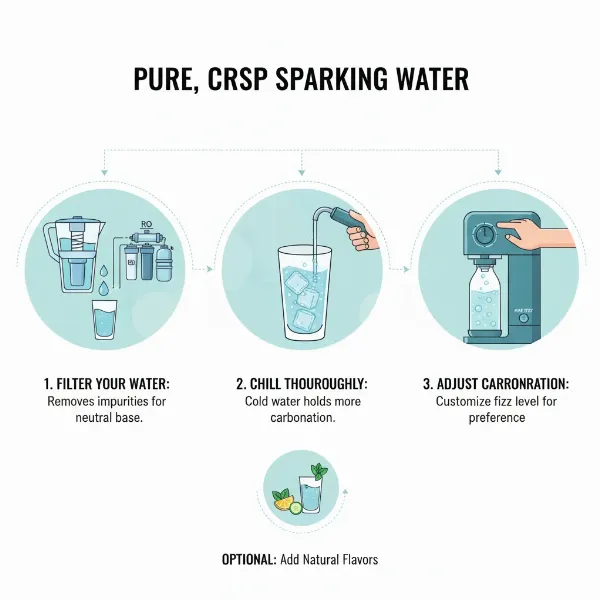 Tips for improving sparkling water taste: water filtration, cold water, proper carbonation.
Maintaining Optimal Taste: Usage and Care for Your Sparkling Water Maker
A great-tasting glass of sparkling water isn’t just about the initial carbonation; it’s also about consistent usage and proper maintenance of your soda maker. These practices ensure longevity for your device and, more importantly, consistently delicious results free from any unwanted salty notes.
First, always use clean, cold water. As previously discussed, cold water is paramount for efficient CO2 absorption and a superior taste. Using room-temperature or unclean water will lead to less effective carbonation and can exacerbate any underlying taste issues. Furthermore, ensure your carbonating bottles are impeccably clean after each use. Residual flavors or mineral buildup can cling to the bottle interior, transferring unwanted tastes to your next batch. Wash bottles with mild soap and warm water, or according to your machine’s guidelines, and allow them to air dry completely. Avoid abrasive cleaners or extremely hot water, as these can damage the plastic or seals.
Proper CO2 cylinder connection is another critical aspect. Ensure your CO2 cylinder is securely, but not overly, tightened. A loose connection can lead to gas leaks and inefficient carbonation, meaning your water won’t be as fizzy as it should be, and the taste might suffer. While CO2 itself is tasteless, an insufficient amount of carbonation can change how you perceive the water’s natural flavors. Regularly check the cylinder for any signs of damage or wear.
Beyond daily use, consider periodic deep cleaning of your soda maker’s carbonation nozzle or any removable parts that come into contact with water. Mineral deposits can build up over time, affecting performance and potentially introducing off-flavors. Most manufacturers provide specific cleaning instructions, which should be followed diligently.
Lastly, store your sparkling water correctly. Once carbonated, keep your bottles sealed tightly and refrigerated. This helps to maintain carbonation levels and preserve the fresh taste, preventing the water from going “flat” quickly, which can make any residual mineral or acidic notes more noticeable. By adhering to these simple usage and maintenance tips, you ensure that your sparkling water maker consistently delivers crisp, clean, and perfectly carbonated water every time.
Conclusion
The joy of crafting your own sparkling water at home is unmatched, but an unexpected salty taste can certainly dampen the experience. We’ve explored that this issue often stems from a combination of factors, including the mineral content of your source water, potential malfunctions in water softeners, or even the natural acidity created during carbonation. By understanding these root causes, you’re empowered to take corrective action, from improving your water filtration to refining your carbonation technique and ensuring meticulous equipment maintenance.
Remember, achieving the perfect bubbly refreshment is a journey of refinement. With the right water, proper care for your soda maker, and a keen awareness of what influences taste, you can consistently produce sparkling water that is pure, crisp, and utterly delightful. So, why settle for anything less than perfection? What small change will you make today to elevate your sparkling water experience?
Frequently Asked Questions
Why does my homemade sparkling water taste salty, even if I use filtered water?
|
Our Picks for the Best Soda maker in 2026
As an Amazon Associate I earn from qualifying purchases.
|
||
| Num | Product | Action |
|---|---|---|
| 1 | SodaStream Terra Sparkling Water Maker Bundle in Black - includes 3-Pack CO2 and Carbonating Bottle |

|
| 2 | Philips Sparkling Water Maker ADD4901BKOQ/37, Plastic Soda Streaming Machine with Quick Twist Bottle, 1L BPA free PET Carbonating Bottle, Soda Maker Compatible with 60L CO2 Carbonator (NOT Included) |
|
| 3 | SodaStream - Terra Sparkling Water Maker - VALUE BUNDLE - CQC CO2 system - Includes 2x CO2 Cylinders, 3x 32 Fl Oz Dishwasher Safe Bottles, 2x Bubly Flavor Drops - Combine with Pepsi Flavors - Black |
|
| 4 | SodaStream - Terra Soda Streaming Machine - STARTER KIT - Sparkling Water Maker with CO2 & Bubly Drop - Eco-Friendly, No Batteries Needed - Black |
|
| 5 | Black Stainless Steel Sparkling Water Maker Soda Machine Includes 1L Stainless Steel Black Bottle and 1 C02 Cylinder |
|
| 6 | Philips Soda Streaming Machine, Stainless Sparkling Water Maker Easy Install with Quick Twist 1L PET Carbonating Bottle, Soda Maker Compatible with 60L CO2 Carbonator (NOT Included), ADD4902BKOQ/37 |
|
| 7 | Mysoda Ruby 2 Sparkling Water Maker - Soda Streaming Machine Silent Carbonated Water Machine Robust Long-Lasting Aluminium Soda Maker 1L Water Bottle Without CO2 Cylinder - Black Copper Soda Machine |
|
| 8 | Philips Sparkling Water Maker, Soda Streaming Machine with Quick Twist Bottle, 1L BPA free PET Carbonating Bottle, Soda Maker Compatible with 60L CO2 Carbonator (NOT Included), ADD4902BKOQ/37 |
|
| 9 | Soda Siphon 1L,Portable Sparkling Water Maker,Compact Carbonated Water Machine for Flavored Drinks Reusable Beverages Machine Kit,Travel Soda Machine for Home & Outdoor |
|
| 10 | Ninja Thirsti Drink System, Soda Maker, Create Unique Sparkling and Still Drinks, Personalize Size and Flavor, Carbonated Water Machine, 60L CO2 Cylinder, Variety of Flavors, Color Black (model 1001) |
|
Even filtered water can retain some dissolved minerals, including sodium, depending on the type of filter. If you’re still experiencing a salty taste, consider upgrading to a reverse osmosis (RO) system or using distilled water, which remove virtually all dissolved solids for a purer base.
Can the CO2 cylinder cause a salty taste in sparkling water?
It is highly unlikely for the CO2 cylinder itself to cause a salty taste. CO2 gas is tasteless. A faulty cylinder might affect carbonation levels or introduce other off-flavors if impure, but saltiness is almost always related to the water source or added minerals.
Does cold water really make a difference in the taste of sparkling water?
Yes, absolutely. Cold water absorbs carbon dioxide more effectively than warmer water, leading to better, longer-lasting carbonation. This also results in a crisper, cleaner taste, as proper carbonation can balance the perception of any subtle mineral flavors or the acidity of carbonic acid.
My tap water tastes fine, but my sparkling water is salty. Why?
Minerals in tap water can become more concentrated or pronounced once carbonated. Additionally, if you have a water softener, a malfunction could be introducing excess sodium into your water, which might be subtle in still water but more noticeable when fizzed.
How can I make my sparkling water taste less salty without adding flavors?
Focus on your water source. Use a high-quality filter like an RO system to remove dissolved minerals. Ensure your water is very cold before carbonating. If you have a water softener, have it checked for proper function and regeneration cycles to avoid excess sodium.