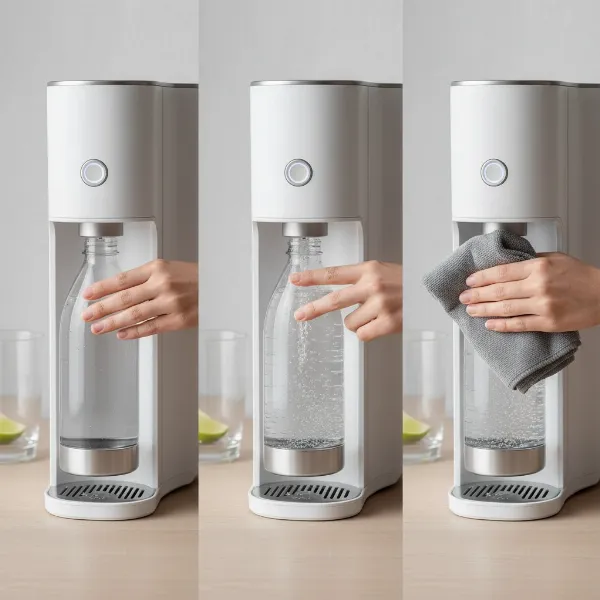
Do you find your homemade sparkling water falling flat, leaving you with a disappointing lack of fizz? It’s a common frustration for soda maker enthusiasts, turning a potentially refreshing drink into a dull experience. Creating perfectly carbonated beverages at home should be a delightful and simple process, but several common pitfalls can sabotage your efforts. Understanding these missteps and learning how to avoid them is key to consistently achieving that crisp, effervescent sparkle you crave. This guide will walk you through the most frequent errors that diminish your soda maker’s carbonation, offering practical solutions and expert tips to ensure every sip is wonderfully bubbly.
Understanding Your Soda Maker: The Science of Fizz
A soda maker is a clever appliance designed to infuse plain water with carbon dioxide (CO2) gas, transforming it into sparkling water. This process relies on Henry’s Law, which states that the solubility of a gas in a liquid is directly proportional to the partial pressure of that gas above the liquid. In simpler terms, under high pressure, water absorbs more CO2. When the pressure is released, the dissolved CO2 escapes as bubbles, creating that characteristic fizz. The rising popularity of soda makers stems from the desire for healthier beverage alternatives, convenience, and the ability to customize drinks while reducing plastic waste. Achieving optimal carbonation means mastering the interplay of gas, water, and equipment.
Common Mistakes That Ruin Your Soda Maker’s Carbonation Levels
Many users encounter issues with their soda maker’s carbonation, often due to simple, easily rectifiable mistakes. Let’s delve into the most prevalent errors that can leave your drinks less than sparkling.
Using Warm Water
|
Our Picks for the Best Soda maker in 2026
As an Amazon Associate I earn from qualifying purchases.
|
||
| Num | Product | Action |
|---|---|---|
| 1 | Philips Soda Streaming Machine, Stainless Sparkling Water Maker Easy Install with Quick Twist 1L PET Carbonating Bottle, Soda Maker Compatible with 60L CO2 Carbonator (NOT Included), ADD4902BKOQ/37 |

|
| 2 | SodaStream - Terra Soda Streaming Machine - STARTER KIT - Sparkling Water Maker with CO2 & Bubly Drop - Eco-Friendly, No Batteries Needed - Black |
|
| 3 | Ninja Thirsti Drink System, Soda Maker, Create Unique Sparkling and Still Drinks, Personalize Size and Flavor, Carbonated Water Machine, 60L CO2 Cylinder, Variety of Flavors, Color Black (model 1001) |
|
| 4 | Black Stainless Steel Sparkling Water Maker Soda Machine Includes 1L Stainless Steel Black Bottle and 1 C02 Cylinder |
|
| 5 | Mysoda Ruby 2 Sparkling Water Maker - Soda Streaming Machine Silent Carbonated Water Machine Robust Long-Lasting Aluminium Soda Maker 1L Water Bottle Without CO2 Cylinder - Black Copper Soda Machine |
|
| 6 | Philips Sparkling Water Maker, Soda Streaming Machine with Quick Twist Bottle, 1L BPA free PET Carbonating Bottle, Soda Maker Compatible with 60L CO2 Carbonator (NOT Included), ADD4902BKOQ/37 |
|
| 7 | Philips Sparkling Water Maker ADD4901BKOQ/37, Plastic Soda Streaming Machine with Quick Twist Bottle, 1L BPA free PET Carbonating Bottle, Soda Maker Compatible with 60L CO2 Carbonator (NOT Included) |
|
| 8 | SodaStream Terra Sparkling Water Maker Bundle in Black - includes 3-Pack CO2 and Carbonating Bottle |
|
| 9 | SodaStream - Terra Sparkling Water Maker - VALUE BUNDLE - CQC CO2 system - Includes 2x CO2 Cylinders, 3x 32 Fl Oz Dishwasher Safe Bottles, 2x Bubly Flavor Drops - Combine with Pepsi Flavors - Black |
|
| 10 | Soda Siphon 1L,Portable Sparkling Water Maker,Compact Carbonated Water Machine for Flavored Drinks Reusable Beverages Machine Kit,Travel Soda Machine for Home & Outdoor |
|
One of the most frequent culprits behind weak carbonation is using water that isn’t cold enough. Cold water has a significantly higher capacity to absorb and retain CO2 gas compared to warmer water. If you start with room-temperature water, much of the injected CO2 will escape immediately, resulting in a less fizzy drink.
Solution: Always use chilled water. Keep a bottle of water in your refrigerator specifically for carbonating, or even place your carbonating bottle in the freezer for 20-30 minutes until ice crystals just begin to form. The colder the water, the better the fizz.
Overfilling Your Bottle
Every soda maker bottle comes with a clearly marked “fill line” for a reason. Filling the bottle past this line drastically reduces the headspace available for the CO2 gas to properly dissolve into the water. This can lead to several problems, including inefficient carbonation, excessive foaming, and even water spraying out of the machine during the carbonation process. In extreme, though rare, cases, overfilling can build up dangerous pressure, risking leaks or damage to your machine.
Solution: Always fill your carbonating bottle precisely to the designated fill line. This ensures optimal space for CO2 absorption and safe operation.
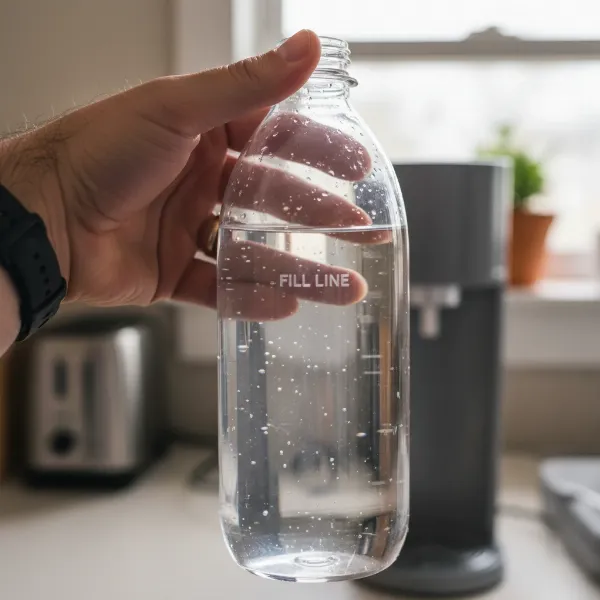 Hand holding a clear soda maker bottle filled past the maximum fill line, indicating a common mistake.
Improper Bottle Sealing
A secure seal between the carbonating bottle and the soda maker nozzle is paramount for effective carbonation. If the bottle isn’t locked into place correctly, CO2 gas will leak out during injection, preventing proper saturation of the water. This can manifest as a hissing sound, water leaking from the machine, or simply a lack of fizz despite pressing the carbonation button. Over time, rubber seals and O-rings can also wear out, leading to subtle leaks.
Solution: Ensure your bottle is securely twisted or clicked into place according to your machine’s instructions. Listen for a distinct “click” or feel a firm lock. Regularly inspect the bottle’s top and the machine’s nozzle for any visible wear or damage to the seals. Replace old or damaged bottles as recommended by the manufacturer, typically every 2-3 years, as their integrity can weaken.
Ignoring CO2 Cylinder Status and Connection
The CO2 cylinder is the heart of your soda maker. If it’s empty, or not properly connected, you won’t get any bubbles. A loose cylinder connection can lead to gas leaks, reducing the pressure needed for effective carbonation. Furthermore, using an incompatible CO2 cylinder type (e.g., a screw-in cylinder in a quick-connect machine) will prevent proper function altogether.
Solution:
- Check for Empty Cylinder: If you notice a significant drop in fizz or no carbonation at all, your cylinder might be empty. Keep a spare on hand.
- Secure Connection: Ensure the CO2 cylinder is tightly screwed in or clicked into its housing. A half-turn extra on screw-in cylinders can often make a difference.
- Correct Type: Always use the CO2 cylinder type (screw-in vs. quick-connect, and correct size) specified for your particular soda maker model.
Carbonating Sugary Drinks or Syrups Directly
A fundamental rule for most home soda makers, especially SodaStream models, is to only carbonate plain water. Attempting to carbonate sugary drinks, juices, or syrups directly can lead to a messy overflow, damage the internal mechanisms by causing sticky residue buildup in the nozzle, and potentially void your machine’s warranty. The sugars and other ingredients interfere with the CO2 absorption, often resulting in poor carbonation and a cleaning headache.
Solution: Always carbonate plain, cold water first. Once the water is carbonated to your desired level, then remove the bottle and add your chosen syrups or flavorings. Some specialized machines, like Drinkmate, are designed to carbonate other liquids, but check your model’s manual carefully.
Incorrect Carbonation Technique
The way you press the carbonation button or lever plays a significant role in the final fizz level. Many users either press too gently, too briefly, or continuously without allowing the gas to properly dissolve. This prevents the water from fully absorbing the CO2.
Solution: Most soda makers recommend firm, short bursts of CO2. For instance, many SodaStream models suggest 3-7 presses for varying fizz levels. After each burst, allow a few seconds for the CO2 to integrate into the water before the next press. Experiment with the number and duration of presses to find your preferred carbonation intensity. You should hear a distinct “buzz” or “hiss” sound, which indicates sufficient carbonation and pressure release.
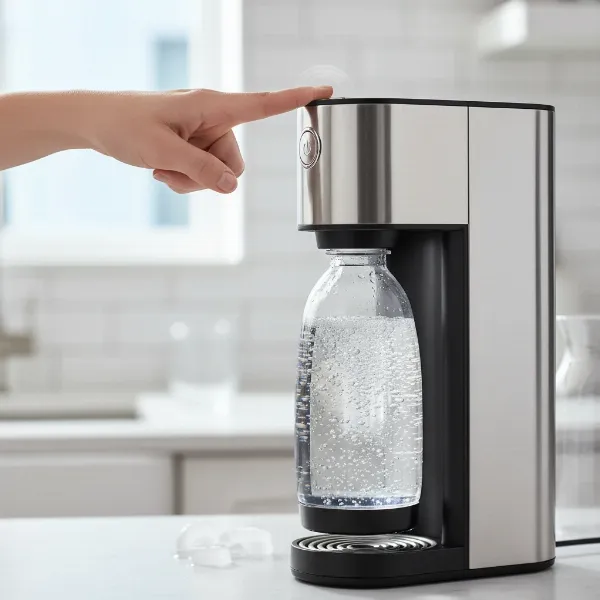 Hand pressing the carbonation button on a home soda maker, demonstrating proper technique for fizz.
“Many believe more presses equal more fizz, but it’s often about the quality of each press and allowing the gas to dissolve effectively. Patience is truly a virtue when carbonating.” – Admin, Sodamakerpro.com
Neglecting Regular Cleaning and Maintenance
Even if you only carbonate water, residue can build up over time in your soda maker’s nozzle and seals. This buildup can impede gas flow, affect seals, and even impart off-flavors to your sparkling water. Neglecting to clean your carbonating bottles can also lead to issues.
Solution: Regularly clean your soda maker’s nozzle and external surfaces with a damp cloth. For bottles, wash them by hand with mild soap and warm water. Most soda maker bottles are not dishwasher safe, as the high heat and harsh detergents can warp or damage the plastic, compromising their sealing ability and lifespan. Always check your bottle’s care instructions.
Troubleshooting Beyond the Basics: Advanced Tips for Perfect Fizz
Sometimes, basic fixes aren’t enough. For persistent carbonation issues, consider these more advanced troubleshooting steps:
- Check for CO2 Leaks (Advanced Systems): If your CO2 cylinder seems to deplete quickly and your drinks are flat, you might have a subtle leak. For commercial systems, checking connections with a soapy water solution can reveal tiny bubbles indicating a leak. For home systems, ensure all connections are hand-tight and seals are intact.
- Inspect Pressure Regulators: In more advanced or commercial soda dispensers, a faulty pressure regulator can lead to inconsistent CO2 flow. If you suspect this is the case, professional servicing might be required to ensure the correct PSI (pounds per square inch) is being delivered.
- Resetting Your Carbonator: Some carbonators, especially in fountain drink machines, can develop air pockets or minor glitches. Unplugging the carbonator, turning off the CO2 and water supply, allowing it to drain, and then restarting it can sometimes resolve internal issues.
- Bottle Lifespan: Carbonating bottles have an expiration date, usually stamped on the bottle itself. Over time, the plastic can weaken, making it less effective at holding pressure. Using an expired bottle can lead to leaks and poor carbonation, and it’s also a safety risk. Replace bottles as recommended.
Conclusion
Achieving consistently perfect carbonation with your soda maker is more an art than a mystery, and it largely comes down to avoiding a few common mistakes. By prioritizing cold water, respecting the fill line, ensuring secure seals, monitoring your CO2 supply, carbonating only plain water before flavoring, and adopting the correct carbonation technique, you can elevate your homemade sparkling beverages from flat to fantastic. Regular cleaning and attention to your equipment’s condition will also extend its lifespan and maintain optimal performance. Don’t let a flat drink dampen your spirits; a few simple adjustments can unlock a world of delightful fizz. What’s your secret to the perfect bubble?
Frequently Asked Questions
Why is my soda maker not making my drinks fizzy at all?
The most common reasons for no fizz are an empty CO2 cylinder, a loose connection of the cylinder or bottle, or a damaged bottle seal. Double-check all these points, ensuring your cylinder is full and securely installed, and your bottle is properly locked.
How can I make my soda maker drinks extra fizzy?
To achieve maximum fizz, always start with ice-cold water. Apply firm, consistent bursts of CO2, allowing a few seconds between each press for the gas to dissolve. Many machines indicate sufficient carbonation with a distinct sound, so listen for that.
Does adding syrup before carbonation affect the fizz?
Yes, adding syrup or any flavoring before carbonating plain water will significantly reduce the fizz and can cause a messy overflow. Always carbonate plain, cold water first, then remove the bottle and add your desired flavors.
How often should I clean my soda maker?
Regular cleaning of your soda maker’s nozzle and seals after each use is recommended to prevent residue buildup. Handwash your carbonating bottles regularly, and be sure to check the manufacturer’s guidelines for deep cleaning your specific machine model.
Can old carbonating bottles affect carbonation levels?
Yes, carbonating bottles have a limited lifespan, typically 2-3 years, indicated by an expiration date. Over time, the plastic can degrade, making the bottle less effective at holding pressure and potentially leading to weaker carbonation and leaks. Replace expired bottles for optimal performance and safety.