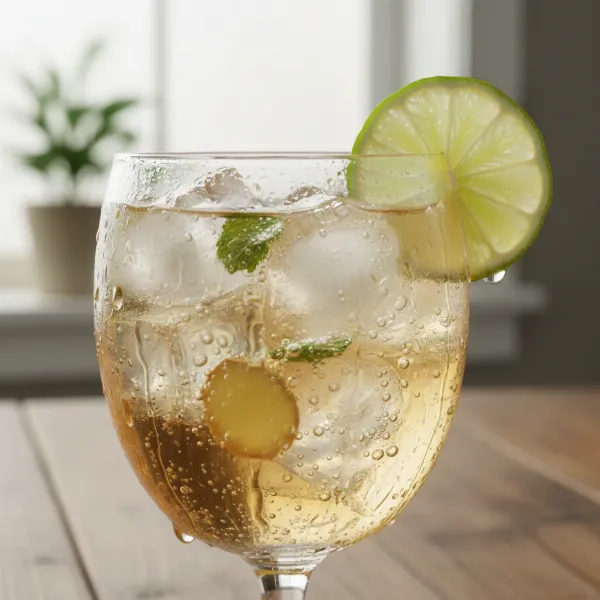
There’s nothing quite as disappointing as reaching for a refreshing soda, only to find it utterly flat. The vibrant fizz, the satisfying pop, all gone, leaving behind a syrupy, lifeless liquid. But what if you could bring that beloved bubbly beverage back to its original glory? With the right techniques and, often, a simple home soda maker, transforming your flat soda back into a sparkling delight is not just possible, it’s surprisingly easy. This guide, drawing on over a decade of hands-on experience with carbonation technology, will walk you through the best methods to re-carbonate your drinks and ensure every sip is as effervescent as the first.
What is a Soda Maker and Why is it Essential for Fizzy Drinks?
A soda maker, often referred to as a home carbonation machine, is a compact appliance designed to infuse water or other beverages with carbon dioxide (CO2) gas, creating that characteristic bubbly effervescence. At its core, a soda maker works by forcing CO2 under pressure into a liquid, dissolving the gas and forming carbonic acid, which gives carbonated drinks their distinctive taste and fizz.
These devices have seen a surge in popularity due to growing trends in healthy living, convenience, and cost-effectiveness. Instead of buying countless bottles or cans, you can carbonate drinks on demand, reducing plastic waste and saving money. Beyond just making fresh sparkling water, the evolution of soda makers now allows many models to directly re-carbonate pre-made beverages or even craft custom fizzy drinks, making them indispensable for anyone looking to maintain or restore the bubbly life of their favorite refreshments.
Understanding Why Soda Goes Flat
The science behind why soda goes flat is quite simple. Carbonated drinks contain dissolved carbon dioxide gas, which is kept under pressure inside the sealed bottle or can. When you open a carbonated beverage, you release this pressure. The CO2, no longer forced to stay dissolved, begins to escape from the liquid into the air. This process is called degassing.
Several factors accelerate this process:
- Temperature: CO2 is less soluble in warmer liquids. A cold soda will hold its fizz much longer than a warm one because the gas dissolves more effectively at lower temperatures.
- Surface Area: The more liquid surface exposed to the air, the faster the CO2 escapes. That’s why an opened bottle with a large headspace or a glass of soda will go flat quicker than a full, sealed bottle.
- Agitation: Shaking or stirring a carbonated drink creates more nucleation sites (points where bubbles can form) and helps the CO2 escape rapidly.
Once the balance between the dissolved CO2 in the liquid and the CO2 in the air above it is lost, your soda quickly loses its fizz.
Different Methods to Re-Carbonate Flat Soda
Bringing flat soda back to life involves reintroducing carbon dioxide. While some methods are more effective and safer than others, there are several approaches you can take.
Using a Home Carbonation Machine (Soda Maker)
|
Our Picks for the Best Soda maker in 2026
As an Amazon Associate I earn from qualifying purchases.
|
||
| Num | Product | Action |
|---|---|---|
| 1 | SodaStream - Terra Sparkling Water Maker - VALUE BUNDLE - CQC CO2 system - Includes 2x CO2 Cylinders, 3x 32 Fl Oz Dishwasher Safe Bottles, 2x Bubly Flavor Drops - Combine with Pepsi Flavors - Black |

|
| 2 | Mysoda Ruby 2 Sparkling Water Maker - Soda Streaming Machine Silent Carbonated Water Machine Robust Long-Lasting Aluminium Soda Maker 1L Water Bottle Without CO2 Cylinder - Black Copper Soda Machine |
|
| 3 | SodaStream - Terra Soda Streaming Machine - STARTER KIT - Sparkling Water Maker with CO2 & Bubly Drop - Eco-Friendly, No Batteries Needed - Black |
|
| 4 | Philips Soda Streaming Machine, Stainless Sparkling Water Maker Easy Install with Quick Twist 1L PET Carbonating Bottle, Soda Maker Compatible with 60L CO2 Carbonator (NOT Included), ADD4902BKOQ/37 |
|
| 5 | Ninja Thirsti Drink System, Soda Maker, Create Unique Sparkling and Still Drinks, Personalize Size and Flavor, Carbonated Water Machine, 60L CO2 Cylinder, Variety of Flavors, Color Black (model 1001) |
|
| 6 | Philips Sparkling Water Maker, Soda Streaming Machine with Quick Twist Bottle, 1L BPA free PET Carbonating Bottle, Soda Maker Compatible with 60L CO2 Carbonator (NOT Included), ADD4902BKOQ/37 |
|
| 7 | Soda Siphon 1L,Portable Sparkling Water Maker,Compact Carbonated Water Machine for Flavored Drinks Reusable Beverages Machine Kit,Travel Soda Machine for Home & Outdoor |
|
| 8 | Philips Sparkling Water Maker ADD4901BKOQ/37, Plastic Soda Streaming Machine with Quick Twist Bottle, 1L BPA free PET Carbonating Bottle, Soda Maker Compatible with 60L CO2 Carbonator (NOT Included) |
|
| 9 | SodaStream Terra Sparkling Water Maker Bundle in Black - includes 3-Pack CO2 and Carbonating Bottle |
|
| 10 | Black Stainless Steel Sparkling Water Maker Soda Machine Includes 1L Stainless Steel Black Bottle and 1 C02 Cylinder |
|
For many, a dedicated home carbonation machine, or soda maker, is the most effective and convenient way to re-carbonate flat soda. These appliances are designed to infuse liquids with pressurized CO2. While some basic models are primarily for water, advanced soda makers like the Drinkmate are specifically engineered to carbonate a variety of beverages, including juices, wine, and yes, even flat soda, without making a sticky mess.
To re-carbonate with a soda maker:
- Pour the flat soda into the machine’s designated carbonating bottle, ensuring it’s filled only to the indicated line.
- Securely attach the bottle to the soda maker.
- Press the carbonation button to your desired fizz level. Many machines offer adjustable settings.
- Once carbonated, carefully remove the bottle and gently swirl the soda to distribute the bubbles evenly before serving.
The primary advantage of using a soda maker is the controlled and consistent carbonation, delivering a fizz that closely mimics the original.
CO2 Tank with Carbonation Cap
For those who enjoy a bit more DIY and precise control, a CO2 tank combined with a specialized carbonation cap offers another effective method. This setup is akin to a miniature kegging system for individual bottles. You’ll need a food-grade CO2 tank (often used for homebrewing or paintball), a regulator to control the pressure, and a carbonation cap that screws onto standard soda bottles.
The process typically involves:
- Filling a sturdy plastic bottle with your flat soda, leaving some headspace.
- Attaching the carbonation cap to the bottle.
- Connecting the CO2 line from your tank (via the regulator) to the cap.
- Slowly opening the CO2 valve to inject gas into the bottle at a set pressure (e.g., 35-50 PSI for cold soda).
- Shaking the bottle for 20-30 seconds to help the CO2 dissolve into the liquid.
- Closing the valve, releasing the pressure, and then removing the cap.
This method allows for very precise carbonation levels but requires an initial investment in equipment and a good understanding of safety protocols when handling pressurized gas.
Dry Ice Method
Using food-grade dry ice is a quick and dramatic way to re-carbonate flat soda, as dry ice is simply solid carbon dioxide. When it comes into contact with a liquid, it sublimates directly into CO2 gas, re-infusing your drink with fizz.
Here’s how to do it safely:
- Obtain food-grade dry ice and wear thick gloves to prevent frostbite.
- Crush a very small amount of dry ice into fine pellets. A small piece, about the size of a pea, is often sufficient for a single glass of soda.
- Gently add the dry ice pellets to the flat soda in an open container (a glass or pitcher), allowing the CO2 to blend in.
- Stir gently and wait for the dry ice to fully dissolve and the bubbling to subside. Do not seal the container during this process, as pressure can build dangerously.
- Once fizzy, pour into a serving glass and enjoy.
This method is quick and effective for immediate consumption but requires careful handling of dry ice and should never be attempted in a sealed bottle.
Other DIY Tricks
While the above methods directly add CO2, some common “DIY tricks” often focus on preserving fizz or creating nucleation sites, rather than genuinely re-carbonating.
- Adding Grapes or Raisins: Some anecdotal methods suggest dropping a few grapes or raisins into flat soda. The rough surface of these fruits can act as nucleation sites, encouraging any remaining dissolved CO2 to form bubbles, giving a temporary burst of fizz. However, this does not add new carbonation, and the effect is usually short-lived.
- Bottle Pumps: Devices that involve drilling a valve into a bottle cap and using an air pump to re-pressurize the bottle are sometimes touted for re-carbonation. However, air is mostly nitrogen and oxygen, with very little CO2. While pressurizing the bottle can slow down the escape of existing CO2, it won’t effectively re-carbonate the drink by adding the necessary CO2 gas. For actual re-carbonation, you need to introduce pure CO2.
Comparing Re-Carbonation Methods: Which is Best for You?
Choosing the best method depends on your needs, budget, and desired level of involvement. Here’s a comparison to help you decide:
| Method | Initial Cost | Effectiveness | Ease of Use | Safety Considerations | Ideal For |
|---|---|---|---|---|---|
| Home Carbonation Machine | Moderate-High | High | Very Easy | Minimal (follow instructions) | Regular use, various beverages, convenience |
| CO2 Tank with Carbonation Cap | Moderate-High | High | Moderate | High (pressurized gas) | Enthusiasts, precise control, larger batches |
| Dry Ice | Low (per use) | Moderate | Moderate | High (frostbite, pressure) | Occasional, quick re-fizz, open containers |
| Grapes/Raisins | Very Low | Low | Very Easy | Minimal | Temporary, last-ditch effort, not true re-carbonation |
| Bottle Pumps (Air) | Low | Very Low | Easy | Minimal | Preserving some fizz, not adding it |
For consistent and reliable results, especially if you frequently find yourself with flat beverages, investing in a home carbonation machine specifically designed for various liquids is highly recommended. The convenience and quality of fizz far outweigh the initial cost.
Choosing the Right Soda Maker for Re-Carbonation (Buying Guide)
If you’re serious about bringing flat soda back to life, selecting the right soda maker is crucial. It’s not just about carbonating water; it’s about finding a versatile machine that handles flavored liquids without a fuss.
Assess Your Needs
Start by considering how often you’ll be re-carbonating and what types of beverages. Do you mostly drink store-bought soda that goes flat, or do you also want to carbonate homemade juices, teas, or even cocktails? If you plan to carbonate flavored drinks directly, a machine with a wider nozzle and safety features to prevent sticky overflows is essential.
Budget Considerations
Soda makers vary widely in price. Entry-level models might be suitable if you only need to carbonate water and then add flavorings. However, for re-carbonating existing sodas, you’ll likely need to invest in a machine with more robust carbonation capabilities and better design for handling non-water liquids, which tend to be in the mid to high price range.
Brand Reputation & Features
Look for brands known for quality and machines that specifically state their ability to carbonate more than just water. Key features to consider include:
- Direct Carbonation of Flavored Liquids: This is paramount for re-carbonating flat soda.
- Adjustable Fizz Levels: Allows you to customize the carbonation intensity to your preference.
- Ease of Cleaning: Essential when dealing with sugary drinks to prevent residue buildup.
- Bottle Compatibility: Ensure the carbonating bottles are durable and easy to use.
- CO2 Cylinder Availability: Check for readily available and refillable CO2 cylinders in your area.
Material and Design
Consider the build quality and aesthetic. Stainless steel components often indicate greater durability and easier cleaning. The design should fit your kitchen space and style. While looks aren’t everything, a well-designed machine can be a pleasure to use daily.
User Reviews
Always read reviews from other users, especially those who specifically mention re-carbonating flat soda or other flavored beverages. Their real-world experiences can provide invaluable insights into a machine’s performance and any potential quirks.
Top Soda Makers for Bringing Flat Soda Back to Life
Based on their design and capabilities for handling various liquids, here are a few types of soda makers highly regarded for their ability to re-carbonate flat soda effectively:
-
Drinkmate OmniFizz/Sparkle: The Drinkmate models are often highlighted for their unique design that allows users to carbonate any beverage, not just water. Its patented Fizz Infuser technology ensures a controlled release of pressure, minimizing mess when carbonating sugary or flavored drinks. This makes it an ideal choice for directly re-fizzing your flat sodas, juices, iced tea, or even wine. Users appreciate its versatility and the ability to customize fizz levels.
-
Aarke Carbonator (with caution for flavored drinks): While primarily known for its sleek design and high-quality construction, Aarke carbonators are designed mainly for water. However, some users report success with carefully carbonating very cold, previously flat clear sodas, though it’s not the recommended use case for heavily flavored or sugary drinks due to potential foaming and residue. If you primarily drink clear sodas and value aesthetics, it’s an option, but proceed with caution and thorough cleaning.
-
DIY CO2 Carbonation Systems: For the true enthusiast, a custom DIY setup using a dedicated CO2 tank, regulator, and carbonation caps (like those often used in homebrewing) offers the ultimate control and versatility. While not a “soda maker” in the traditional sense, these systems can carbonate large volumes and provide precise fizz adjustments for virtually any liquid. They require more setup and technical knowledge but are highly effective and often more cost-efficient for high-volume carbonation.
When choosing, prioritize machines explicitly designed or widely reviewed for their ability to handle flavored drinks. This ensures both effectiveness and ease of cleaning.
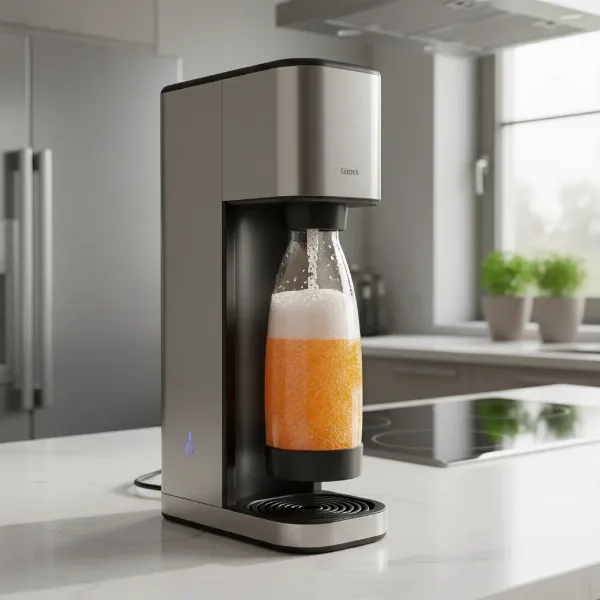 A modern soda maker machine re-carbonating a glass of flat orange soda, with bubbles forming inside the transparent bottle.
Tips for Using and Maintaining Your Re-Carbonation Device
To ensure your soda maker or carbonation system performs optimally and safely, proper usage and maintenance are key.
Safe Operation
- Read the Manual: Always refer to your specific device’s instruction manual for safety guidelines and operational steps.
- Use Cold Liquids: CO2 dissolves best in cold liquids. Always chill your flat soda thoroughly before attempting to re-carbonate it for the best results and to prevent excessive foaming.
- Fill to the Line: Never overfill the carbonating bottle beyond the indicated fill line. Overfilling can lead to spills, foaming, and unsafe pressure buildup.
- Avoid Sealing Dry Ice: If using the dry ice method, ensure the container is open to prevent dangerous pressure accumulation.
- Handle CO2 Cylinders Safely: If using a CO2 tank, ensure it’s secured upright, and all connections are tight. Never expose cylinders to extreme heat.
Cleaning and Care
- Rinse Immediately: After each use, especially with sugary or flavored drinks, rinse the carbonating bottle and any removable parts (like the fizz infuser) thoroughly with warm water.
- Deep Clean Regularly: Periodically deep clean your carbonating bottles and device components according to the manufacturer’s instructions. Some bottles are dishwasher-safe, while others require hand washing with mild soap.
- Check Seals and Gaskets: Inspect rubber seals and gaskets for wear and tear. Damaged seals can lead to gas leaks and ineffective carbonation.
- Store Properly: Store your soda maker in a clean, dry place. Keep CO2 cylinders disconnected or properly stored when not in use.
Troubleshooting Common Issues
- Soda Not Fizzy Enough: Ensure your soda is very cold. You might need to increase the carbonation cycles or pressure settings on your machine.
- Excessive Foaming: This often occurs with warm liquids or by carbonating too aggressively. Chill your drink more, and use shorter, gentler bursts of carbonation. If using a Drinkmate, utilize its slow-release valve.
- Leaking Gas: Check all connections and ensure the carbonating bottle is securely attached. Inspect seals for damage and replace if necessary.
- Strange Taste: Ensure all components are clean. Residue from previous drinks can affect the taste of new batches.
Conclusion
Saying goodbye to flat soda doesn’t have to be a recurring disappointment. By understanding why beverages lose their fizz and embracing the innovative solutions available, you can effortlessly revive your favorite drinks. Whether it’s the convenience of a modern soda maker like the Drinkmate, the precision of a CO2 tank system, or even the temporary magic of dry ice, there’s a method to suit every need. Choosing the right tool and following proper usage and maintenance guidelines will not only bring your flat sodas back to life but also open up a world of fresh, homemade carbonated creations. Why settle for less when you can have perfectly fizzy drinks every time?
Frequently Asked Questions
Can I re-carbonate any type of flat soda?
Yes, most flat sodas can be re-carbonated. However, sugary or heavily flavored sodas might produce more foam during the process, especially if not thoroughly chilled. Machines specifically designed for carbonating various liquids work best for these.
Is re-carbonated soda as good as freshly opened soda?
With proper technique and a good carbonation device, re-carbonated soda can be very close to its original fizz and taste. The key is to use cold soda and to avoid over-carbonating, which can alter the flavor balance.
How long does re-carbonated soda stay fizzy?
The duration of fizz after re-carbonation depends on storage conditions. Storing the re-carbonated soda in a tightly sealed bottle in the refrigerator will help maintain its fizz for several days. An airtight cap and cold temperature are crucial for longevity.
Can I use a standard air pump to re-carbonate soda?
No, a standard air pump will not re-carbonate soda because air contains very little carbon dioxide. To effectively re-carbonate, you need to infuse the drink with pure CO2 gas. An air pump might add pressure, which can slow down fizz loss, but it won’t add new bubbles.
What are the main safety concerns when re-carbonating drinks?
The primary safety concerns involve handling pressurized CO2 and dry ice. Always ensure CO2 tanks are secured and not exposed to heat. Never use dry ice in a sealed container, as the rapidly expanding gas can cause an explosion. Always follow the manufacturer’s instructions for your carbonation device.