Imagine uncorking a bottle of exquisite, effervescent sparkling wine, handcrafted right in your own home. The delightful fizz, the crisp taste, and the sheer satisfaction of creating a custom bubbly experience are within reach for any wine enthusiast. While true “Champagne” hails exclusively from the Champagne region of France, mastering the art of carbonating still wine allows you to craft your own homemade sparkling wine, elevating everyday sips into celebratory moments. This guide will walk you through everything you need to know, from choosing your wine to safely achieving the perfect sparkle.
What is Wine Carbonation and Why Make Your Own Sparkling Wine?
Wine carbonation is the process of infusing carbon dioxide (CO2) gas into a still wine, transforming it from flat to fizzy. This effervescence is what defines sparkling wines, including Champagne, Prosecco, and Cava. Traditionally, sparkling wines achieve their bubbles through a secondary fermentation in the bottle, a time-consuming and labor-intensive method. However, modern home winemakers can now achieve impressive results using direct CO2 injection, a technique known as force carbonation.
The allure of making your own sparkling wine is multifaceted. Beyond the significant cost savings compared to purchasing premium bubbly, it offers unparalleled control over sweetness and carbonation levels, allowing for personalized creations. It’s a rewarding DIY project that expands your winemaking skills and impresses guests with unique, homemade libations. Whether you’re turning a simple white wine into a vibrant sparkling aperitif or experimenting with a fruit wine, home carbonation opens up a world of sparkling possibilities.
Understanding the Methods for Carbonating Wine at Home
Achieving that perfect sparkle in your wine primarily involves two distinct methods: force carbonation and the traditional bottle conditioning method. Each approach has its own equipment, process, and considerations.
Force Carbonation (CO2 Injection)
|
Our Picks for the Best Soda maker in 2026
As an Amazon Associate I earn from qualifying purchases.
|
||
| Num | Product | Action |
|---|---|---|
| 1 | Philips Sparkling Water Maker, Soda Streaming Machine with Quick Twist Bottle, 1L BPA free PET Carbonating Bottle, Soda Maker Compatible with 60L CO2 Carbonator (NOT Included), ADD4902BKOQ/37 |

|
| 2 | Philips Sparkling Water Maker ADD4901BKOQ/37, Plastic Soda Streaming Machine with Quick Twist Bottle, 1L BPA free PET Carbonating Bottle, Soda Maker Compatible with 60L CO2 Carbonator (NOT Included) |
|
| 3 | Soda Siphon 1L,Portable Sparkling Water Maker,Compact Carbonated Water Machine for Flavored Drinks Reusable Beverages Machine Kit,Travel Soda Machine for Home & Outdoor |
|
| 4 | Mysoda Ruby 2 Sparkling Water Maker - Soda Streaming Machine Silent Carbonated Water Machine Robust Long-Lasting Aluminium Soda Maker 1L Water Bottle Without CO2 Cylinder - Black Copper Soda Machine |
|
| 5 | SodaStream - Terra Soda Streaming Machine - STARTER KIT - Sparkling Water Maker with CO2 & Bubly Drop - Eco-Friendly, No Batteries Needed - Black |
|
| 6 | Ninja Thirsti Drink System, Soda Maker, Create Unique Sparkling and Still Drinks, Personalize Size and Flavor, Carbonated Water Machine, 60L CO2 Cylinder, Variety of Flavors, Color Black (model 1001) |
|
| 7 | Philips Soda Streaming Machine, Stainless Sparkling Water Maker Easy Install with Quick Twist 1L PET Carbonating Bottle, Soda Maker Compatible with 60L CO2 Carbonator (NOT Included), ADD4902BKOQ/37 |
|
| 8 | SodaStream - Terra Sparkling Water Maker - VALUE BUNDLE - CQC CO2 system - Includes 2x CO2 Cylinders, 3x 32 Fl Oz Dishwasher Safe Bottles, 2x Bubly Flavor Drops - Combine with Pepsi Flavors - Black |
|
| 9 | Black Stainless Steel Sparkling Water Maker Soda Machine Includes 1L Stainless Steel Black Bottle and 1 C02 Cylinder |
|
| 10 | SodaStream Terra Sparkling Water Maker Bundle in Black - includes 3-Pack CO2 and Carbonating Bottle |
|
Force carbonation is the most popular and efficient method for home winemakers looking to add fizz to their wines. This technique directly injects food-grade CO2 gas into the wine, offering quick results and precise control over the level of effervescence. This method is similar to how many commercial sodas and beers are carbonated.
The process typically involves chilling your wine to a very low temperature (around 32°F or 0°C) to maximize CO2 absorption. The chilled wine is then transferred into a sealed, pressure-rated container, usually a Cornelius (Corny) keg or a specialized soda canister. A CO2 tank and regulator are connected to the keg, allowing you to inject CO2 at a controlled pressure, usually between 40-50 PSI. Gently shaking the keg accelerates the dissolution of the CO2 into the wine, with the entire process often taking only 8 to 10 minutes for a 5-gallon batch. After carbonation, a counter-pressure bottle filler is used to transfer the sparkling wine into strong, pressure-rated bottles, minimizing the loss of carbonation.
The primary advantages of force carbonation include its speed, the ability to fine-tune carbonation levels, and the flexibility to carbonate wines that have already been sweetened and stabilized. The main drawback is the initial investment in equipment, which includes a CO2 tank, regulator, keg, and a counter-pressure bottler.
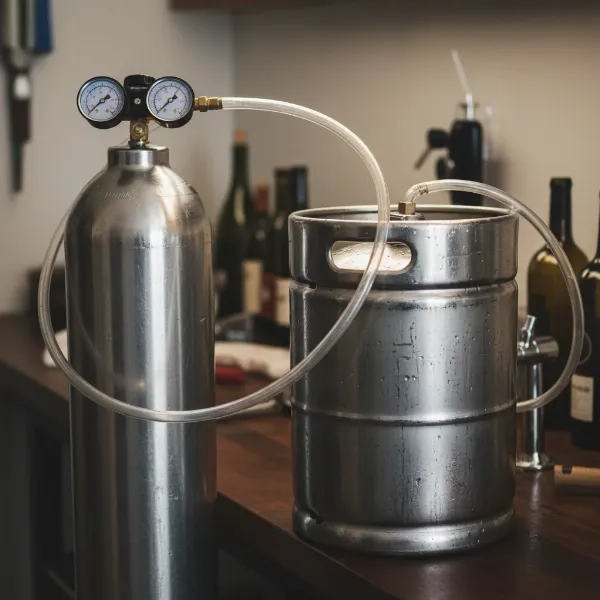 A home setup for force carbonating wine, featuring a CO2 tank, regulator, and a corny keg.
Traditional Method (Bottle Conditioning)
The traditional method, also known as bottle conditioning or méthode champenoise, relies on a secondary fermentation occurring directly within the wine bottle to create natural carbonation. This is the classic approach used for Champagne and many high-quality sparkling wines.
After the initial fermentation of your still wine is complete, a small amount of “priming sugar” (such as corn sugar) and often a fresh dose of active wine yeast are added to the wine. This mixture is then immediately bottled into strong, pressure-rated bottles (like those designed for Champagne) and sealed with crown caps or traditional Champagne corks and cages. The yeast consumes the added sugar inside the sealed bottle, producing both a small amount of additional alcohol and, crucially, carbon dioxide gas. Since the gas cannot escape, it dissolves into the wine, creating the desired bubbles.
This method typically requires a longer aging period, often two months for fermentation followed by another month of resting, to allow the carbonation to fully develop and integrate. While it can produce complex flavors and a fine, persistent mousse, it comes with significant challenges. Control over carbonation levels is less precise, and there’s a safety risk of bottle explosions if too much sugar is added or if the bottles are not sufficiently strong. Furthermore, achieving a sweet sparkling wine with this method is difficult, as the yeast will ferment the added sugar, leaving the wine dry. Commercial sweet sparkling wines produced this way typically undergo a process called dosage after disgorgement, where a sweetened liquid is added.
Why Avoid Consumer Soda Makers for Wine?
While tempting for their convenience, consumer soda makers (like SodaStream) are generally not recommended for carbonating wine. Several sources indicate that attempts to carbonate wine with these devices often yield poor results, leading to an unpleasant taste and a messy, explosive release of gas upon opening. Some users have even reported breaking their soda makers in the process. These devices are designed for water and soft drinks, not the higher sugar and alcohol content of wine, which reacts differently under pressure. For safe and quality results, dedicated home carbonation equipment is essential.
Essential Equipment for Home Wine Carbonation
Embarking on your sparkling wine journey requires specific tools to ensure both quality and safety. The equipment needed varies slightly depending on whether you choose force carbonation or bottle conditioning, with force carbonation generally requiring a more specialized setup.
Table: Essential Equipment Comparison for Wine Carbonation
| Equipment Item | Force Carbonation | Bottle Conditioning (Traditional Method) | Notes |
|---|---|---|---|
| CO2 Tank (Beverage Grade) | Essential | Not applicable | Provides the carbon dioxide for infusion. |
| CO2 Regulator | Essential (with PSI/bar gauges) | Not applicable | Controls and monitors the pressure from the CO2 tank into the keg/bottle. |
| Corny Keg / Soda Canister | Essential (5-gallon or smaller) | Not applicable | A sealed, pressure-rated container for carbonating and storing wine. |
| Counter-Pressure Bottle Filler | Highly Recommended (for bottling) | Not applicable | Transfers carbonated wine from kegs to bottles while maintaining pressure, minimizing CO2 loss. |
| Carbonator Cap | Optional (for small batches in PET bottles) | Not applicable | A screw-on cap for PET bottles that allows direct CO2 injection. |
| Pressure-Rated Bottles | Essential (Champagne bottles, PET bottles) | Essential (Champagne bottles, specific sparkling wine bottles) | Crucial for safety. Standard wine bottles are not designed to withstand the high internal pressures of carbonated beverages and can explode. Look for thick-walled Champagne bottles or heavy-duty PET bottles. |
| Bottle Capper / Corker | Essential (for crown caps or Champagne corks) | Essential (for crown caps or Champagne corks) | Used to seal pressure-rated bottles securely. Champagne corks require a specific corker and cages. |
| Priming Sugar | Not applicable (unless doing hybrid method) | Essential (corn sugar recommended) | Provides fermentable sugars for secondary fermentation in the bottle. |
| Wine Yeast | Not applicable (unless doing hybrid method) | Essential (specific wine yeast strains) | Facilitates the secondary fermentation process. Avoid baker’s yeast, which can produce off-flavors. |
| Siphon Kit | Essential (for transferring still wine to keg) | Essential (for transferring wine to bottles) | Used for safely and cleanly transferring wine. |
| Sanitizers | Essential | Essential | Critical for cleaning all equipment to prevent contamination and off-flavors. |
| Thermometer | Recommended (for chilling wine) | Recommended | Ensures wine reaches optimal temperature for CO2 absorption (force carbonation) or proper fermentation. |
| Hydrometer | Recommended (for initial winemaking stages) | Recommended (for initial winemaking stages) | Measures sugar content (specific gravity) before and after fermentation, crucial for overall winemaking, less directly for carbonation. |
| Safety Goggles/Face Shield | ABSOLUTELY ESSENTIAL | ABSOLUTELY ESSENTIAL | Protect your eyes and face from potential bottle ruptures or equipment failures, especially when working with pressurized vessels. |
This comprehensive list ensures you have the right tools to create safe and delicious sparkling wine at home. Investing in quality, safety-rated equipment is paramount.
Step-by-Step Guide to Force Carbonating Your Wine
Force carbonation is the most reliable way for home winemakers to achieve sparkling wine. Follow these steps carefully to transform your still wine into a bubbly delight.
Preparing Your Wine
Before carbonation, your wine needs to be still, clear, and stable. This means primary fermentation should be complete, and any residual sugars should be minimal (unless you intend to carbonate a sweet wine, in which case it should be stabilized to prevent further fermentation). Ensure your wine is free of sediment by racking it several times. For optimal CO2 absorption, the wine must be thoroughly chilled, ideally to around 32°F (0°C). CO2 dissolves much more efficiently in colder liquids. If you wish to make a sweet sparkling wine, add your desired sweeteners before carbonation and stabilize the wine to prevent unwanted re-fermentation.
Setting Up Your Carbonation System
Gather your equipment: a beverage-grade CO2 tank, a dual-gauge CO2 regulator, a clean and sanitized Cornelius (Corny) keg or soda canister, and appropriate tubing and connectors. Securely attach the regulator to your CO2 tank. Connect one line from the “gas in” port of the regulator to the “gas in” post on your keg. Ensure all connections are tight to prevent gas leaks.
The Carbonation Process
- Transfer Wine to Keg: Carefully siphon your chilled, still wine into the sanitized keg, leaving some headspace at the top. Secure the lid of the keg.
- Connect CO2: With the CO2 tank valve closed and the regulator adjusted to zero pressure, connect the gas line to the keg’s “gas in” post.
- Apply Pressure: Slowly open the main valve on your CO2 tank, then gradually adjust the regulator to a pressure of 40-50 PSI. Listen for any leaks around the keg lid or connections.
- Carbonate: For faster carbonation, gently roll or shake the keg on its side for 8-10 minutes. You’ll hear the CO2 hissing as it dissolves into the wine. Alternatively, you can connect the CO2, set the pressure to 45 PSI, and let the keg sit in a cold refrigerator for several days, or even 2-3 weeks for more thorough dissolution. The longer it sits under pressure at cold temperatures, the more CO2 the wine will absorb.
- Check Carbonation: After shaking or waiting, close the CO2 tank valve and disconnect the gas line. Release a small amount of wine from the tap to check the carbonation level. Adjust pressure and time as needed.
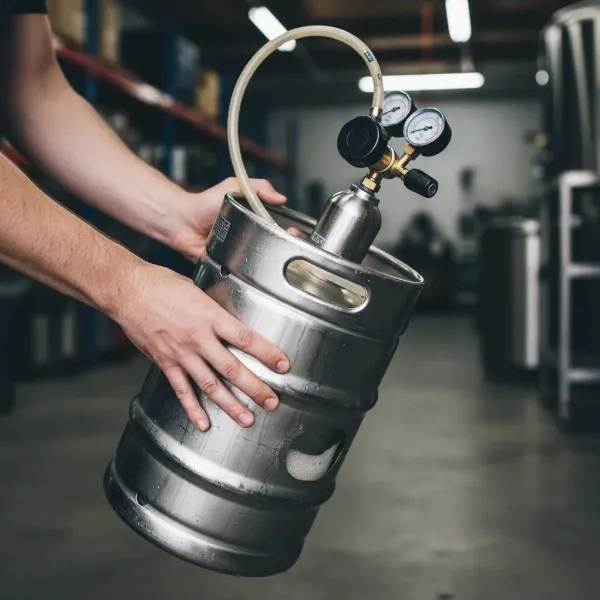 A close-up shot of a person shaking a corny keg connected to a CO2 tank during the force carbonation process.
Bottling Your Sparkling Wine
Once your wine is perfectly carbonated, you’ll need to transfer it into pressure-rated bottles. This is where a counter-pressure bottle filler becomes invaluable, as it minimizes carbonation loss during bottling.
- Sanitize Bottles: Thoroughly clean and sanitize your Champagne-style bottles or heavy-duty PET bottles.
- Set Up Filler: Connect your counter-pressure bottle filler to the “liquid out” post of your keg. Ensure another gas line from your CO2 regulator is connected to the gas port of the bottle filler.
- Purge Bottles: Insert a bottle onto the filler. Use the filler’s gas valve to purge the bottle with CO2, displacing any oxygen that could oxidize your wine.
- Fill Bottles: Slowly open the liquid valve on the filler to allow the carbonated wine to flow into the bottle. Fill from the bottom up to reduce foaming. Once full, close the liquid valve and release the pressure from the bottle.
- Seal Immediately: Quickly remove the filled bottle from the filler and seal it with a crown cap (using a capper) or a Champagne cork and wire cage (using a specialized corker). Work swiftly to prevent CO2 escape.
Safety Best Practices for Home Carbonation
Safety is paramount when carbonating wine at home, as you’ll be working with pressurized vessels. Neglecting safety can lead to serious injury or property damage.
1. Use Pressure-Rated Bottles ONLY: This is perhaps the most critical rule. Standard wine bottles are designed for still wine and cannot withstand the high internal pressure of carbonated beverages. Using them will almost certainly result in bottle explosions, which can be extremely dangerous. Always use thick-walled Champagne bottles, sparkling wine bottles, or heavy-duty PET bottles specifically designed for carbonated liquids.
2. Manage Pressure Carefully: Never exceed the recommended maximum pressure for your equipment. For force carbonation in a keg, typical pressures are 40-50 PSI, but always consult your equipment’s manual. Over-pressurizing can rupture kegs, bottles, or hoses. Use a reliable CO2 regulator with clear gauges to monitor pressure accurately.
3. Wear Protective Gear: When handling pressurized equipment or bottling, always wear safety goggles or a full face shield. Thick gloves are also recommended. This protects your eyes and hands from potential glass shards or bursting equipment in the event of a failure.
4. Maintain Cleanliness and Sanitation: Proper sanitation is crucial throughout the entire winemaking and carbonation process. Contaminated equipment can introduce unwanted bacteria or wild yeasts, leading to off-flavors, spoilage, and potentially dangerous over-carbonation if unintended fermentation occurs in sealed bottles. Clean and sanitize all kegs, tubing, bottles, and fillers thoroughly before use.
5. Chill Wine Properly: Always carbonate cold wine (around 32°F / 0°C). Cold liquids absorb CO2 far more effectively than warm liquids. Attempting to force carbonate warm wine can lead to inconsistent results and requires higher pressures, increasing safety risks.
6. Store Safely: Store carbonated bottles in a cool, dark, and stable environment. Keep them away from direct sunlight, heat sources, and inquisitive children or pets.
“The difference between a delightful sparkling wine and a dangerous projectile often comes down to one thing: respecting pressure. Always use the right bottles and never guess with your regulator settings.” – Admin, Sodamakerpro.com, Experienced Beverage Technician
Choosing the Right Wine for Sparkle
The base wine you choose significantly influences the final character of your homemade sparkling creation. Not all still wines are equally suited for carbonation.
Grape Varieties
While you can technically carbonate almost any still wine, certain varietals lend themselves better to becoming sparkling.
- Chardonnay: A classic choice for Champagne, Chardonnay offers a versatile base with notes ranging from crisp green apple in cooler climates to richer, buttery tones in warmer regions. It provides a clean canvas for bubbles.
- Pinot Noir: Often blended with Chardonnay in traditional Champagne, Pinot Noir (a red grape) contributes body, red berry notes, and a subtle complexity to sparkling wines. It’s often used to make Blanc de Noirs (white from black grapes) sparkling wines or rosé sparkling wines.
- Sauvignon Blanc: For a refreshing, herbaceous, and dry sparkling wine, Sauvignon Blanc is an excellent option. Its natural acidity and vibrant fruit character translate well with effervescence.
- Riesling: Known for its high acidity and aromatic profile, Riesling can make a wonderfully crisp and zesty sparkling wine, ranging from dry (Sekt) to sweeter styles.
- Fruit Wines: Don’t limit yourself to grape wines! Many fruit wines, such as strawberry, blackberry, apple, or pear wines, can be deliciously carbonated for unique, refreshing beverages.
Acidity Levels
A crucial factor for sparkling wine is a good level of acidity in the base wine. Acidity provides the crispness and freshness that balances the bubbles, preventing the wine from tasting flabby or dull. Wines with naturally higher acidity tend to produce more vibrant and refreshing sparkling versions. If your still wine is low in acidity, consider adjusting it before carbonation to improve the final product’s balance.
Sweetness Considerations
The desired sweetness level of your sparkling wine should be determined before carbonation.
- Dry Sparkling Wine (Brut, Extra Brut): If you prefer a dry finish, ensure your base wine has fully fermented and contains minimal residual sugar. For force carbonation, you can carbonate it as is. For natural carbonation, the added priming sugar will be consumed by the yeast, resulting in a dry finish.
- Sweet Sparkling Wine (Demi-Sec, Doux): Making sweet sparkling wine, especially via force carbonation, is more straightforward. You can add your desired sweetener (e.g., concentrated grape must, wine conditioner, or sugar syrup) to your stabilized still wine before force carbonating it. This ensures the sweetness remains after carbonation. As mentioned, attempting to make sweet sparkling wine through natural bottle conditioning is risky because additional sugar could lead to dangerous over-pressurization.
Experimenting with different wine types will allow you to discover your favorite homemade sparkling creations.
Troubleshooting Common Issues in Wine Carbonation
Even with careful planning, you might encounter issues when carbonating wine at home. Knowing how to diagnose and address these problems can save your batch and prevent frustration.
Under-Carbonated Wine
If your sparkling wine lacks the desired fizz, it’s likely under-carbonated. This can be caused by several factors:
- Insufficient Pressure or Time: The most common reason. The wine may not have been exposed to enough CO2 pressure for a long enough period, or the temperature wasn’t cold enough.
- Fix: For force carbonation, re-chill the keg to 32°F (0°C), increase the CO2 pressure to 40-50 PSI, and gently shake the keg for another 5-10 minutes. Alternatively, let it sit under pressure in the cold for a few more days.
- Temperature Too Warm: Warmer wine absorbs CO2 less efficiently.
- Fix: Ensure your wine is as cold as possible (ideally 32°F / 0°C) before and during carbonation.
- Leaks in the System: A slow leak in your keg, regulator, or lines can prevent proper carbonation.
- Fix: Check all connections with soapy water; if bubbles appear, you have a leak. Tighten or replace components as needed.
Over-Carbonated Wine (Danger!)
Over-carbonation is a serious concern, especially with bottle conditioning, as it can lead to exploding bottles. In force carbonation, it primarily results in excessive foam or “fizz” when poured, but the risk of equipment failure is lower if pressure limits are respected.
- Too Much Priming Sugar (Bottle Conditioning): The most common cause of bottle explosions in the traditional method.
- Fix: Unfortunately, for wine already bottled and over-carbonated naturally, there is no safe fix. Exercise extreme caution when handling these bottles, wear protective gear, and consider slowly releasing pressure outdoors if bottles appear to be under dangerous stress (bulging caps, excessive hissing). It’s often safer to discard them.
- Too High Pressure (Force Carbonation): Setting the regulator pressure too high.
- Fix: Reduce the CO2 pressure setting on your regulator. You can also temporarily disconnect the gas, release some pressure from the keg’s relief valve, and allow the wine to de-gas slightly in the cold before reconnecting at a lower pressure. Pouring a small amount will reveal if the carbonation has reduced.
Off-Flavors
Unwanted flavors in your sparkling wine can typically be traced back to sanitation issues or incorrect yeast usage.
- Contamination: Bacteria or wild yeasts can produce sour, vinegary, or otherwise unpleasant tastes.
- Fix: Prevention is key. Always thoroughly clean and sanitize all equipment that comes into contact with your wine. If a batch is severely contaminated, it’s usually best to discard it and start fresh with scrupulous sanitation.
- Incorrect Yeast (for Bottle Conditioning): Using baker’s yeast instead of wine-specific yeast can lead to undesirable flavors and cloudiness.
- Fix: Always use a reputable wine yeast strain for bottle conditioning. If the off-flavor is due to baker’s yeast, it may mellow with age, but often the taste persists.
Conclusion
Transforming still wine into sparkling bubbly at home is a rewarding endeavor that brings a personalized touch to your beverage choices. While the traditional method offers an authentic experience, force carbonation provides a more controlled, faster, and safer route to creating effervescent wine. By understanding the equipment, diligently following the process, and strictly adhering to safety guidelines—especially regarding pressure-rated bottles and protective gear—you can consistently produce high-quality sparkling wines. Experiment with different base wines and find your perfect fizz, confident in your newfound expertise. What still wine will you carbonate first to toast your winemaking prowess?
Frequently Asked Questions
What is the ideal temperature for carbonating wine?
The ideal temperature for force carbonating wine is as close to freezing as possible, typically around 32°F (0°C). Colder liquids absorb carbon dioxide gas much more efficiently, allowing for better carbonation results and requiring less pressure.
Can I carbonate any type of still wine?
While you can technically carbonate most still wines, those with higher acidity, such as Chardonnay, Sauvignon Blanc, or Riesling, tend to produce the best sparkling results as the acidity balances the effervescence and provides a crisp finish. Fruit wines are also excellent candidates.
Is it safe to use old glass bottles for sparkling wine?
No, it is critically unsafe to use standard old glass wine bottles for sparkling wine. These bottles are not designed to withstand the high internal pressure of carbonated beverages and can explode, causing severe injury. Always use thick-walled Champagne bottles, dedicated sparkling wine bottles, or heavy-duty PET bottles designed for pressure.
How much CO2 pressure do I need for force carbonation?
For most home force carbonation setups using a corny keg, a CO2 pressure of 40-50 PSI is typically recommended to achieve a good level of sparkle. The exact pressure and duration may vary based on your specific equipment and desired carbonation level.
How long does it take to force carbonate wine?
Force carbonation can be relatively quick. With a chilled keg and gentle shaking, you can achieve good carbonation in as little as 8-10 minutes. For a more thorough and stable carbonation, it’s often recommended to let the wine sit under pressure in a cold environment for a few days to two weeks.
Can I make sweet sparkling wine using force carbonation?
Yes, force carbonation is an excellent method for making sweet sparkling wine. You should add your desired sweeteners (like wine conditioner or sugar syrup) to your still, stabilized wine before force carbonating it. This ensures the sweetness remains, as no further fermentation will occur.
What should I do if my naturally carbonated wine bottles seem over-pressurized?
If bottles from natural carbonation appear dangerously over-pressurized (e.g., bulging caps, excessive pressure upon opening), it is safest to handle them with extreme caution, wearing safety goggles and gloves. Slowly release pressure outdoors or dispose of them safely, as exploding bottles pose a significant hazard. Prevention through proper sugar measurement is key.