For many, CO2 cylinders are a staple, powering everything from sparkling water makers and bike tire inflators to industrial applications. Yet, when these cylinders run empty, a common question arises: how do you dispose of them safely and responsibly? Tossing them into your regular recycling bin or household trash is not only dangerous but also environmentally irresponsible. Understanding the correct procedures for recycling CO2 cylinders is crucial for safety, waste reduction, and supporting a circular economy.
Understanding CO2 Cylinders and the Importance of Responsible Recycling
CO2 cylinders are pressurized containers holding carbon dioxide, a versatile gas used in countless ways. From the small cartridges that inflate bike tires or power paintball markers to the larger cylinders for home soda makers and even bigger tanks for commercial beverage carbonation, these containers are designed to withstand significant internal pressure. Once depleted, however, they don’t simply become inert metal.
The importance of responsible recycling stems primarily from safety and environmental concerns. An improperly discarded pressurized cylinder, even seemingly empty, can pose serious risks. If compacted in a garbage truck or recycling facility, residual pressure can cause it to explode, leading to fires, injuries to workers, and damage to equipment. Furthermore, the materials used to manufacture these cylinders, typically steel or aluminum, are highly recyclable. Disposing of them in landfills wastes valuable resources and contributes to environmental pollution, as these materials can take centuries to decompose. Responsible recycling ensures these metals are recovered and reused, minimizing environmental impact and conserving raw materials.
Key Avenues for CO2 Cylinder Recycling and Disposal
Properly handling empty CO2 cylinders requires a clear understanding of the available and recommended disposal methods. These avenues vary depending on the cylinder’s size, type, and local regulations.
Manufacturer and Retailer Exchange Programs
One of the most convenient and safest ways to manage CO2 cylinders, particularly those from home soda makers like SodaStream, is through manufacturer or retailer exchange programs. Companies often offer a system where you return your empty cylinder and receive a full replacement, paying only for the gas refill. Some programs even provide a small return fee if you choose not to exchange. This method is highly recommended as the manufacturers are equipped to safely inspect, refill, or properly recycle their own cylinders, ensuring they are handled by experts who understand their design and pressure specifications. Many retailers, including large department stores, also participate in these exchange programs, making returns accessible.
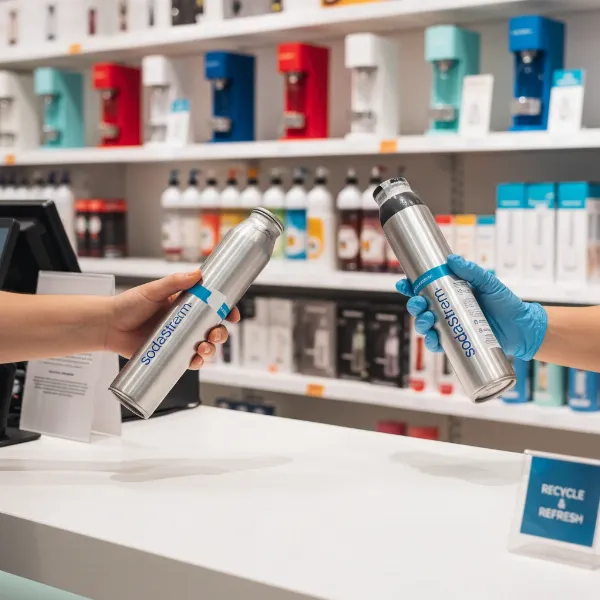 A person exchanging an empty SodaStream CO2 cylinder for a full one at a retail store.
Local Recycling Centers and Household Hazardous Waste Facilities
While you cannot place CO2 cylinders in your curbside recycling, many local recycling centers or waste management facilities do accept them. It is imperative to contact your local council or waste management authority directly to inquire about their specific guidelines, as acceptance policies vary significantly by region. Some facilities may have dedicated drop-off points for “hard-to-recycle” items or hazardous waste. For residential users, Household Hazardous Waste (HHW) collection facilities or special community collection events are often appropriate venues for disposing of gas cylinders safely. These sites are equipped to handle items that pose risks in conventional waste streams.
Scrap Metal Recyclers
If local recycling facilities do not accept CO2 cylinders, a scrap metal recycling company might be an alternative. However, scrap metal recyclers often have strict requirements. They typically demand that the cylinder be completely empty and rendered safe before acceptance. This might involve removing the valve, puncturing the cylinder, or even cutting it in half to eliminate any possibility of residual pressure or misuse. Always communicate with the scrap metal facility beforehand to understand their specific preparation and acceptance criteria to ensure a smooth and safe drop-off.
Preparing Your CO2 Cylinders for Safe Recycling
Before attempting to recycle any CO2 cylinder, proper preparation is paramount to ensure safety for yourself and recycling facility workers.
Ensuring the Cylinder is Completely Empty
A CO2 cylinder is considered “empty” when the internal pressure approaches atmospheric pressure. For many larger cylinders, simply using up the gas and detaching it may suffice. However, for certain types or if there’s any doubt, additional steps might be necessary to confirm emptiness and prevent accidental discharge. Some manufacturers recommend piercing the head of smaller cartridges to confirm it’s fully depressurized and cannot be reused. For industrial or larger cylinders, specialized tools might be required to safely release any remaining gas or remove the valve assembly. Never assume a cylinder is empty without confirming its depressurized state.
Safety Precautions to Observe
- Never puncture or tamper with a pressurized cylinder that still contains gas. This can lead to a dangerous explosion.
- Always wear appropriate personal protective equipment (PPE), such as gloves and eye protection, when handling cylinders, especially during any preparation steps like valve removal or puncturing.
- Store empty cylinders safely until disposal. Keep them away from heat sources, direct sunlight, and out of reach of children.
- Transport cylinders securely to prevent them from rolling or tipping over in your vehicle.
- If you are unsure about how to safely empty or prepare a cylinder, do not attempt it yourself. Seek advice from the manufacturer, a gas supplier, or a hazardous waste professional.
Navigating Different Types of CO2 Cylinders
The method of recycling can also depend on the specific type and size of the CO2 cylinder you possess.
Home Soda Maker Cylinders
For cylinders used with home Soda Makers, manufacturer exchange programs are typically the easiest and most recommended route. Brands like SodaStream have established nationwide networks with retailers for convenient swap-outs. If an exchange isn’t an option, check with your local HHW facility or a specialized recycling center. These cylinders are usually made of aluminum or steel, making them valuable for recycling once depressurized.
Small CO2 Cartridges (Bike, Paintball)
Small, single-use CO2 cartridges, often used for bike tire inflation or paintball guns, present a different challenge due to their size. While they are often made of steel or aluminum, their small size can make them difficult for automated recycling sorting machines to process effectively. Some sources suggest that completely empty and pierced small cartridges can be placed in regular scrap metal recycling, but it is always best to verify with your local recycling authority. In many areas, these may still need to go to an HHW facility or a scrap metal recycler that specifically accepts small metal items.
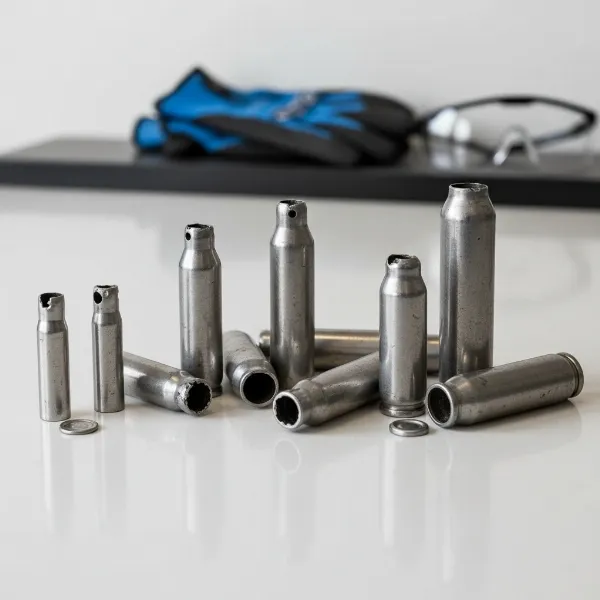 Various small CO2 cartridges for bike tires and paintball, prepared for recycling after being emptied.
Industrial/Commercial CO2 Tanks
Larger industrial CO2 tanks, often leased or purchased from gas suppliers, are typically handled directly through the supplier. These companies have established procedures for refilling, retesting, and safely decommissioning their tanks. If you have an industrial tank that you no longer need, contact your gas supplier to arrange for collection. For tanks where the owner cannot be identified, or if they contain specialty gases, specialized hazardous waste contractors may need to be engaged for safe handling and disposal.
Finding Responsible Recycling Solutions Near You: A Practical Guide
Locating the right facility for your CO2 cylinders is crucial. Here’s how you can find a responsible recycling solution in your area:
- Check Your Local Council or Waste Management Website: Most municipal waste management services provide detailed guides on what can and cannot be recycled and where to take specific items like gas cylinders. Look for sections on “hazardous waste,” “special waste,” or an A-Z recycling directory.
- Use Online “Find a Recycler” Tools: Websites like Earth911 or Recycling Near You (in some regions) offer search functions where you can input your item and location to find nearby recycling options.
- Contact Gas Suppliers Directly: If your cylinder is from a specific brand or industrial supplier, their customer service can provide the most accurate information on their take-back or exchange programs.
- Call Your Local Scrap Metal Yard: Inquire about their acceptance policies for CO2 cylinders, specifically asking about requirements for emptying and preparation.
Remember, the responsibility for safe and environmentally sound disposal ultimately lies with the owner of the cylinder. A quick phone call or website check can prevent potential hazards and ensure that valuable materials are returned to the manufacturing cycle.
Conclusion
Recycling old CO2 cylinders responsibly is a vital practice that contributes significantly to environmental protection and public safety. By understanding the inherent risks of improper disposal and utilizing the various avenues available—from manufacturer exchange programs to local hazardous waste facilities and scrap metal recyclers—you can ensure that these pressurized containers are handled correctly. Always prioritize safety, verify local guidelines, and prepare cylinders appropriately before disposal. Making an informed choice not only safeguards communities but also champions sustainable resource management. How will you take the next step towards more responsible CO2 cylinder recycling?
Frequently Asked Questions
Can I put CO2 cylinders in my curbside recycling?
No, CO2 cylinders should never be placed in curbside recycling bins or general household trash. They are pressurized containers that pose explosion and fire risks when compacted, endangering sanitation workers and damaging recycling equipment. Always seek specialized disposal methods.
What does “completely empty” mean for a CO2 cylinder?
A CO2 cylinder is considered “completely empty” when its internal pressure equals the atmospheric pressure. For safe recycling, it’s crucial to ensure all gas has been released. Some facilities may require physical proof, such as the valve being removed or the cylinder pierced, to confirm it’s fully depressurized.
Do SodaStream cylinders have a deposit?
While SodaStream cylinders don’t typically involve an upfront deposit when purchased, many retailers and SodaStream’s own programs offer a credit or a small return fee (e.g., $2.00 per cylinder) if you return an empty cylinder without exchanging it for a full one. This encourages responsible returns.
Are CO2 cartridges hazardous waste?
Yes, CO2 cartridges and cylinders are generally considered hazardous waste, especially if they still contain any gas or if they are not properly depressurized. This classification is due to the inherent risks associated with pressurized containers and their potential to explode or leak if mishandled in the waste stream.
Can I take CO2 cylinders to a regular scrap metal yard?
Some scrap metal yards may accept CO2 cylinders, but they will likely have strict conditions. Typically, cylinders must be completely empty and often require the valve to be removed, or the cylinder to be punctured or cut in half, to eliminate any potential for residual pressure. Always call ahead to confirm their specific requirements.