Welcome, fellow fizz enthusiasts! Here at Soda Maker Pro, we’re all about that satisfying pop and sparkle of freshly made soda. You’ve mastered the perfect level of carbonation, you’ve got your favorite syrups on lock, and you’re saving a mountain of single-use cans and bottles from landfills. But then, one day, you notice it: the expiration date on your trusty carbonating bottle. That brings up a crucial question for any eco-conscious soda lover: How To Recycle Soda Maker Bottles correctly? It’s a fantastic question, and getting it right is a key part of the sustainable lifestyle that a soda maker represents. Let’s dive into everything you need to know to keep the bubbles flowing, responsibly.
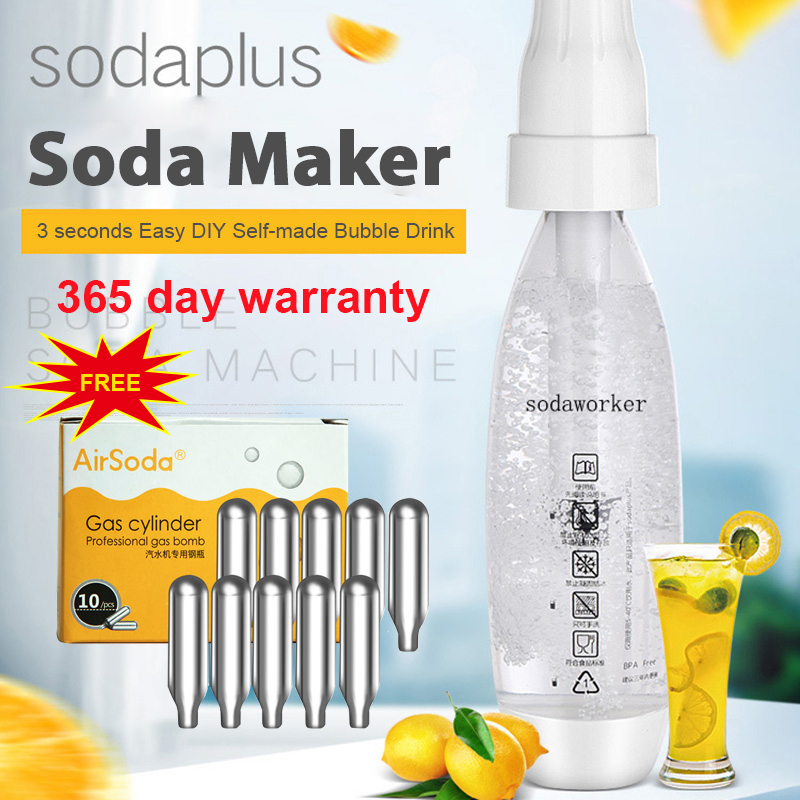
Why Can’t I Just Use My Bottle Forever?
Before we get to the “how,” let’s tackle the “why.” You might be looking at your bottle thinking, “It looks perfectly fine. Why does it even have an expiration date?” It’s not a marketing gimmick; it’s all about physics and safety.
The Deal with Expiration Dates
Think of your soda maker bottle like a high-performance athlete. Every time you press that button and infuse water with CO2, the bottle endures immense and repeated pressure. Over time, this pressure causes microscopic stress fractures in the plastic. While you can’t see them, these tiny weaknesses compromise the bottle’s integrity.
“The plastic used in these bottles, typically PET, is incredibly resilient, but it has its limits. The expiration date is a carefully calculated safety measure to prevent the bottle from failing under the pressure of carbonation, which could lead to a messy, and potentially dangerous, situation.” – Dr. Alistair Finch, Beverage Systems Analyst.
Using a bottle past its expiration date is a bit like stretching an old rubber band one too many times. Eventually, it’s going to snap. For your safety and the longevity of your machine, always respect that date.
The Big Question: How to Recycle Soda Maker Bottles
Alright, so the bottle has served its fizzy life with honor, and it’s time for retirement. The good news is that most soda maker bottles are designed with recycling in mind. Here’s a simple, step-by-step process to ensure you do it right.
- Confirm the Plastic Type: Flip the bottle over. You should see a recycling symbol with a number inside it. The vast majority of carbonating bottles are made from PET (Polyethylene Terephthalate), which is Recycling #1. This is one of the most widely recycled plastics in the world, the same kind used for most commercial water and soda bottles.
- Check with Your Local Recycling Program: This is the most crucial step. Recycling capabilities can vary significantly from one city or county to the next.
- Curbside Bin: Most municipal curbside recycling programs readily accept #1 PET plastics. If you can recycle a standard water bottle, you can likely recycle your soda maker bottle.
- Recycling Center: If your curbside program is limited, a quick search for your local waste management or recycling center’s website will give you a definitive list of accepted materials.
- Prepare the Bottle: Just like any other plastic container, it needs a little prep work before being tossed in the bin.
- Rinse it Out: Give the bottle a quick rinse with warm water to remove any sugary residue from syrups or flavorings.
- Cap On or Off? This used to be a point of confusion, but recycling technology has improved. The current recommendation from most facilities is to leave the cap on. The caps are typically made from a different plastic (like #5 PP), and modern sorting facilities can separate them. Squeezing the air out and putting the cap back on also helps the bottle maintain its shape during transport.
- Remove any Sleeves: If your bottle has a decorative plastic sleeve, it’s best to remove it, as it can interfere with the optical scanners at the sorting facility.
- Toss it in the Bin: Once it’s clean and prepped, you can confidently place it in your recycling bin, knowing you’ve closed the loop on its lifecycle.
Beyond Recycling: Creative Ways to Repurpose Old Bottles
Just because a bottle is no longer safe for carbonating doesn’t mean it’s useless! If you’re feeling creative, you can give your old soda maker bottles a second life around the house. Since they are high-quality, BPA-free, and sturdy, they are perfect for non-pressurized tasks.
- A Stylish Plant Waterer: The narrow neck makes for a perfect watering can for your indoor plants, delivering water right to the roots without making a mess.
- Dry Goods Storage: Use them to store bulk dry goods like rice, lentils, or beans. They’re airtight and make for a neat and organized pantry.
- DIY Bird Feeder: With a few simple cuts and some twine, an old bottle can be transformed into a functional and modern-looking bird feeder for your garden.
- Craft Supply Organizer: They are great for holding beads, buttons, or other small craft supplies.
Important Note: Never use an expired bottle for drinking water or any other beverage, and never, ever put it back in your soda maker.
A Common Mix-Up: Recycling CO2 Canisters
While we’re on the topic of responsible fizzing, let’s clear up a common and very important point of confusion: CO2 canisters are not recyclable in your household bin.
This is a matter of safety. The canisters are made of high-grade steel or aluminum and, even when “empty,” they may still contain residual pressure. Throwing them in a recycling bin is a serious hazard for waste management workers and machinery.
So, What Do You Do with Empty CO2 Cylinders?
The system is designed to be a simple and sustainable loop: exchange.
Nearly all major brands, including Soda Maker Pro, operate a cylinder exchange program. Here’s how it works:
- Take your empty CO2 canister to a participating retail partner. This can be a major supermarket, a home goods store, or even some local hardware stores.
- At the checkout, you’ll hand over your empty cylinder and purchase a full replacement at a reduced price (you’re only paying for the gas, not a new cylinder).
- The retailer sends the empty cylinders back to the manufacturer, where they are inspected, sanitized, and refilled.
This exchange program is the most cost-effective and environmentally friendly way to keep your soda maker running. You can find a list of participating retailers on our website.
Frequently Asked Questions
Q: Can I put my soda maker bottle in the dishwasher?
A: Generally, no. The high heat of a dishwasher can warp the plastic and compromise its structural integrity, making it unsafe for carbonation. Always check the bottle for “dishwasher safe” markings. If it doesn’t have them, hand-wash with warm, soapy water.
Q: Why do the plastic bottles have an expiration date but the glass carafes don’t?
A: Great question! It comes down to the material. Glass does not degrade or weaken from the repeated pressure of carbonation in the same way that plastic does. As long as a glass carafe is not chipped or cracked, it is safe to use indefinitely.
Q: What are Soda Maker Pro bottles made from?
A: Our standard carbonating bottles are made from high-strength, BPA-free PET (Polyethylene Terephthalate) plastic, which is designated as #1 for recycling purposes. This ensures they are both safe for you and easy to recycle responsibly.
Q: How can I be 100% sure my local recycling program accepts soda maker bottles?
A: The best way is to visit your city or county’s official waste management website. They often have a “recycling wizard” or a detailed list of accepted items. Searching for “#1 PET bottles” should give you the answer you need.
Q: Is it really that dangerous to use a bottle after its expiration date?
A: Yes, we strongly advise against it. While the bottle may not fail on the first or second use past its date, the risk of it bursting under pressure increases significantly with every use. It’s not a risk worth taking for a glass of bubbly water.
Keep the Bubbles Flowing, Responsibly
Congratulations! You are now an expert on the full lifecycle of your soda maker components. Knowing how to recycle soda maker bottles is a simple yet powerful step in making your homemade beverage habit as sustainable as it is delicious. By respecting the expiration date for safety, recycling the plastic bottle correctly, and participating in the CO2 canister exchange program, you’re making a real difference. You’re not just making soda; you’re part of a smarter, more sustainable way to enjoy your favorite drinks. Now, who’s ready for a refill?