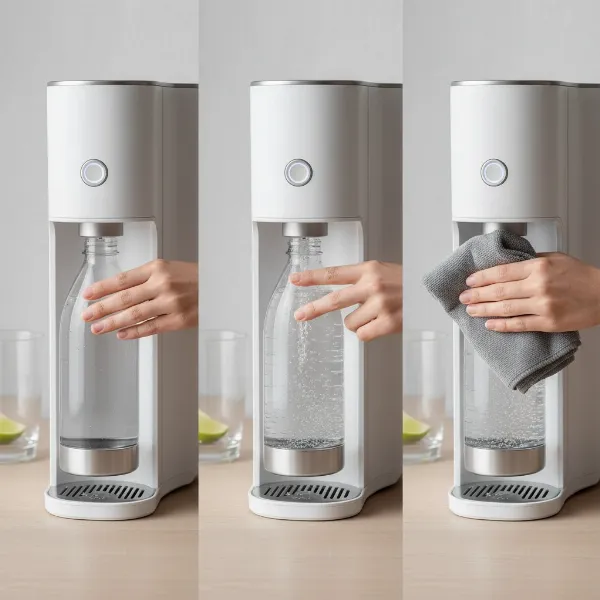
Do you find yourself constantly reaching for a can of seltzer or a bottled soda? The satisfying fizz is undeniable, but the rising costs, environmental concerns over single-use plastics, and desire for healthier options might have you wondering if there’s a better way. Enter the soda maker – a countertop appliance promising endless bubbles at your fingertips. But in 2026, with inflation and shifting consumer habits, is a soda maker truly a worthwhile investment? This article will dive deep into a comprehensive cost breakdown, exploring the financial, environmental, and lifestyle benefits to help you decide if bringing carbonation home is the right choice for you.
What is a Soda Maker and Why is it So Popular?
A soda maker, often interchangeably called a sparkling water maker or carbonator, is a kitchen appliance designed to transform regular tap water into sparkling water by injecting it with carbon dioxide (CO2) gas. The basic principle involves a reusable bottle filled with water, which is then attached to the machine. A CO2 cylinder inside the device releases gas into the water, creating those beloved bubbles.
The concept isn’t new; soda fountains have existed for centuries. However, modern home soda makers have evolved significantly, becoming sleek, user-friendly devices that fit seamlessly into contemporary kitchens. Their surge in popularity can be attributed to several compelling factors. Many people are embracing healthier lifestyles, seeking to reduce their consumption of sugary, pre-packaged sodas while still enjoying a refreshing fizzy drink. Soda makers empower users to control ingredients, allowing for sugar-free options or custom natural flavorings. Furthermore, there’s a growing global awareness of environmental sustainability. By replacing countless single-use plastic bottles and aluminum cans with reusable alternatives, soda makers offer a tangible way to reduce individual carbon footprints and contribute to a greener planet. The sheer convenience of having sparkling water on demand, without the need for grocery store trips or lugging heavy cases, also makes them an attractive proposition for busy households.
Popular Types of Soda Makers on the Market
The market for soda makers has expanded beyond a single dominant brand, offering a variety of options to suit different preferences and budgets. Understanding the main types can help you identify which best fits your needs.
Manual Soda Makers
Manual soda makers are the most common and often the most budget-friendly option. These machines typically require you to manually press a button or lever to inject CO2 into the water.
- Pros: Generally less expensive to purchase, compact design, no electricity required (making them portable and ideal for areas with limited outlets), and allow for precise control over the level of carbonation.
- Cons: Can require more effort for each use, may not offer consistent carbonation levels without practice, and sometimes feel less “premium.”
- Ideal User: Budget-conscious individuals, those who prefer simplicity, campers or RV enthusiasts, and users who enjoy fine-tuning their fizz level.
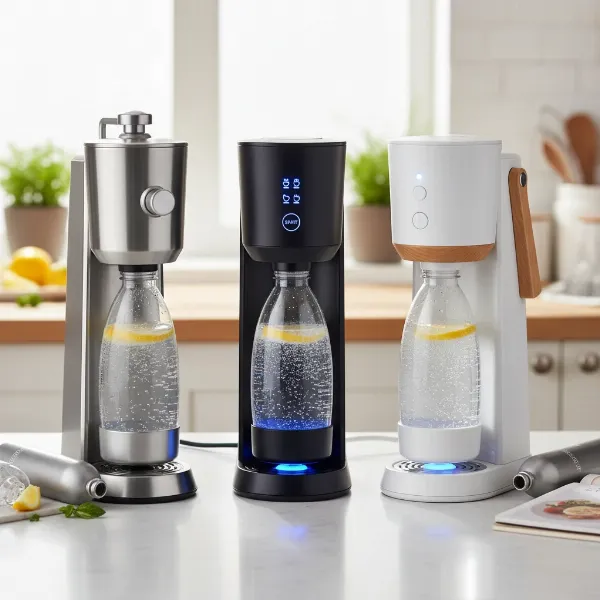 A comparison of different types of home soda makers, showing manual and electric models
Electric Soda Makers
Electric soda makers offer a more automated and often more sophisticated experience. They typically feature pre-set carbonation levels and often boast a sleeker design.
- Pros: Push-button operation for ease of use, consistent carbonation levels, often include advanced features like LED indicators, and can have a more modern aesthetic.
- Cons: Higher initial cost, requires an electrical outlet, and may have a larger countertop footprint.
- Ideal User: Those prioritizing convenience and consistency, design-focused individuals, and households with a higher volume of sparkling water consumption.
Compact/Travel Soda Makers
While not a distinct carbonation mechanism, some brands offer smaller, more portable versions of their manual soda makers, or even handheld devices using smaller CO2 cartridges.
- Pros: Extremely portable, minimal counter space, great for small apartments or occasional use.
- Cons: May use smaller, less efficient CO2 cartridges, potentially increasing per-liter cost, and often have smaller bottle capacities.
- Ideal User: Singles or couples with limited space, occasional sparkling water drinkers, or those who want to take their soda maker on the go.
Commercial-Grade Soda Makers
Though primarily focused on home use, it’s worth noting that larger, more robust soda fountain machines exist for commercial settings like restaurants and bars. These are designed for high-volume, continuous use and involve more complex installation. They are typically outside the scope of home consumer evaluation due to their size, cost, and operational requirements.
Detailed Cost Breakdown: Soda Maker vs. Store-Bought Beverages
The core question for many remains: will a soda maker actually save me money? Let’s break down the costs involved and compare them to traditional store-bought options in 2026.
Initial Investment: The Machine Itself
The upfront cost of a soda maker varies significantly by brand, type, and features.
- Entry-Level Manual Machines: Expect to pay around $80-$120. A popular example like the SodaStream Terra often falls into this range and frequently includes a starter CO2 canister and a reusable bottle.
- Mid-Range Manual/Basic Electric Machines: These might cost between $120-$180, offering enhanced aesthetics, slightly better build quality, or simple electric features.
- Premium Electric/Designer Machines: High-end models from brands like Aarke or SodaStream’s more advanced electric options can range from $180-$250+. These often feature stainless steel accents, advanced controls, or specialized quick-connect systems.
While a hundred dollars or more might seem like a lot for a kitchen gadget, it’s a one-time purchase that forms the foundation of your savings.
Ongoing Costs: CO2, Syrups, and Bottles
After the initial machine purchase, your recurring expenses will mainly come from CO2 refills and, if desired, flavor syrups and additional bottles.
- CO2 Cylinders: This is your primary ongoing cost. A standard 60-liter CO2 cylinder typically costs between $15-$25 when exchanged for a full one. These cylinders are advertised to produce up to 60 liters of sparkling water. However, real-world usage often results in less (e.g., 30-50 liters) depending on how carbonated you like your drinks. Some calculations show that one such cylinder, when exchanged, can make the equivalent of approximately 169 twelve-ounce cans of seltzer. This breaks down to roughly 9 cents per 12 ounces of homemade sparkling water.
- Flavor Syrups: If you prefer flavored sodas, syrups will add to your cost. A 440ml bottle of branded syrup, for instance, might cost around $5-$7 and yield about 25 servings (approximately 25 drinks). You can also use cheaper, off-brand syrups, fruit juices, or natural flavorings like citrus slices or bitters.
- Carbonating Bottles: Most soda makers come with one or two reusable plastic bottles. If your household consumes a lot of sparkling water or you prefer different sizes, you might need to purchase additional bottles, which can range from $10-$20 for a pack. Some machines also offer glass carafes as a premium option.
The Savings: Annual Comparison
Now, let’s crunch the numbers to see the potential annual savings.
- Compared to Bottled Sparkling Water: For a household consuming roughly 2 liters of sparkling water daily, a soda maker could save anywhere from $140 to over $400 annually compared to buying supermarket own-label sparkling water. If you’re accustomed to pricier, branded sparkling water (which can cost $3-$4 per liter or more), your savings could be substantially higher.
- Compared to Canned Seltzer/Soda: If you drink one 12-ounce can of seltzer per day, you could save around $150 per year by switching to a soda maker. For a two-can-per-day habit, these savings double to approximately $300 annually. A family of two, each drinking two cans daily, could potentially pocket nearly $600 in savings each year. Considering store-bought soda water often costs around $1.00 per 12 ounces, the 9 cents per 12 ounces for homemade sparkling water represents a significant reduction in ongoing expenses.
Long-Term Value and ROI (Return on Investment)
The initial cost of a soda maker is typically recouped within the first year for regular users. For example, if you save $300 annually and your machine cost $100, you’ve effectively paid for it within four months. Over five years, the cumulative savings can be substantial, potentially exceeding $2,000 for consistent users. This makes a soda maker a strong long-term investment, especially given the rising prices of pre-packaged beverages.
The Non-Monetary Value: Beyond the Price Tag
While cost savings are a significant driver, the value of a soda maker extends far beyond just money. Several non-monetary benefits contribute to its appeal and overall worth.
Environmental Impact
One of the most compelling reasons to invest in a soda maker is its positive environmental contribution. By choosing a reusable carbonating bottle over countless single-use plastic bottles and aluminum cans, you dramatically reduce your household’s waste footprint. The manufacturing, transportation, and recycling of these disposable containers all have a carbon cost. A soda maker eliminates the need for this energy-intensive cycle for your sparkling beverages, promoting a more sustainable lifestyle. Imagine the reduction in plastic waste from your home alone, which otherwise might take thousands of years to break down in landfills or pollute our oceans.
Convenience
The convenience factor of having a soda maker on your countertop is hard to beat. No more last-minute trips to the grocery store when you’re out of sparkling water. No more lugging heavy cases of bottles or cans from the car to your kitchen. You can enjoy fresh, fizzy drinks anytime, exactly when the craving strikes. This on-demand access means you’re less likely to run out and are always prepared for a refreshing beverage or to mix up a cocktail. It also frees up valuable pantry or refrigerator space that would otherwise be occupied by bulky cases of drinks.
Health & Customization
A soda maker gives you complete control over what goes into your drink, which is a major advantage for health-conscious individuals. Store-bought sodas are often laden with artificial flavors, excessive sugar, and preservatives. With a home soda maker, you can:
- Control Sugar Content: Make sparkling water plain, or add just a hint of natural fruit juice or a sugar-free flavor drop.
- Avoid Artificial Ingredients: Use fresh fruits, herbs, or natural syrups to create custom beverages free from unwanted additives.
- Adjust Carbonation Level: Prefer a light fizz or a bold, aggressive bubble? Most machines allow you to customize the carbonation intensity to your exact preference.
- Enjoy Freshness: Say goodbye to flat, half-finished bottles of soda. Your drinks are made fresh on the spot, ensuring maximum effervescence every time.
This level of customization means you can cater to individual tastes, dietary needs, and health goals, making it easier to stay hydrated with a drink you genuinely enjoy.
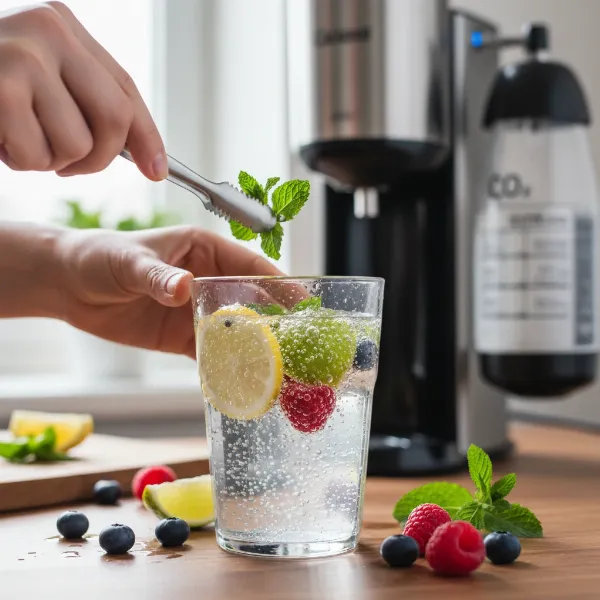 A person customizing sparkling water with fresh fruit and natural flavors for a healthy drink
How to Choose the Right Soda Maker (Buying Guide)
Selecting the perfect soda maker involves considering your personal habits, budget, and priorities. Here’s a comprehensive guide to help you make an informed decision.
Assess Your Usage Needs
Before anything else, consider how you intend to use the machine:
- Purpose: Are you primarily looking for plain sparkling water, or do you want to create flavored sodas?
- Frequency: How often will you use it? Daily, weekly, or just for special occasions? High-volume users might prioritize CO2 efficiency and bottle capacity.
- Number of Users: Are you the only one, or will a whole family be enjoying the fizz? More users might mean needing extra carbonating bottles.
Budget Considerations
Soda makers come in a wide price range.
- Entry-Level (e.g., around $80-$120): Ideal for those on a tighter budget or who are new to soda makers. These are typically manual models that are effective and straightforward.
- Mid-Range (e.g., $120-$180): Offers a good balance of features, design, and performance, often including more robust construction or some electric functionalities.
- Premium (e.g., $180-$250+): For design enthusiasts, those seeking advanced features like automatic carbonation, or users who prioritize aesthetics and higher-quality materials like stainless steel.
Factor in the long-term savings when evaluating the initial investment.
Brand Reputation & Warranty
Reputable brands often offer better product support, spare parts availability, and warranty coverage.
- Leading Brands: SodaStream is the most recognized, offering a wide range of models. Other notable brands include Aarke (known for design), Ninja Thirsti (for flavored systems), and Breville.
- Warranty: Check the manufacturer’s warranty. A longer warranty period can provide peace of mind regarding the machine’s durability and potential repairs.
Features
Modern soda makers boast various features that can enhance your experience:
- Manual vs. Electric: Manual offers more control and no power cord; electric provides convenience and consistent carbonation levels with pre-set buttons.
- CO2 Cylinder System: Some use proprietary quick-connect cylinders (e.g., newer SodaStream pink cylinders), while others use screw-in designs. Ensure you can easily find refills for your chosen system in your area.
- Bottle Compatibility: Check if the machine is compatible with plastic or glass bottles, and the range of sizes offered.
- Design: Consider the aesthetics and footprint. Will it fit well on your countertop and complement your kitchen décor?
- Carbonation Levels: Some machines offer multiple carbonation settings, allowing for more customization.
- Specialized Features: A few models can carbonate liquids other than water (e.g., juices or even cocktails), offering greater versatility.
Read User Reviews
Always check recent user reviews for the specific model you’re considering. Real-world feedback can provide insights into ease of use, durability, common issues, and actual CO2 efficiency that might not be evident from product descriptions. Look for reviews that mention long-term satisfaction and compare directly to bottled beverages.
Top Soda Makers to Consider in 2026
The soda maker market continues to innovate, offering various options from budget-friendly workhorses to premium design statements. While specific models may evolve, here are categories and popular brands that consistently deliver quality and value.
- Best Value & Ease of Use: The SodaStream Terra Series
- The SodaStream Terra remains a top contender for those seeking an affordable, straightforward, and reliable soda maker. It features a manual press-button operation and often comes with the convenient quick-connect CO2 cylinder system, making refills a breeze. It’s an excellent entry point for new users, offering solid performance without a hefty price tag. Its compact design fits most kitchen countertops easily.
- Best for Design & Premium Feel: The Aarke Carbonator III
- For those who view their kitchen appliances as part of their décor, the Aarke Carbonator III is a standout. Crafted from polished stainless steel, it exudes minimalist Scandinavian elegance. While it carries a higher price point, its premium build quality and satisfying lever operation offer a more luxurious carbonation experience. It uses standard screw-in CO2 cylinders and is known for its durability.
- Best for Features & Customization: The Ninja Thirsti Ultimate Drink System / SodaStream E-Duo
- If you crave more than just sparkling water, systems like the Ninja Thirsti offer advanced features for creating a wide array of flavored beverages, often with flavor pods and options for different drink sizes. Similarly, SodaStream’s electric models like the E-Duo provide automated carbonation with pre-set fizz levels and sometimes include options for both plastic bottles and glass carafes. These machines emphasize convenience and versatility, though at a higher initial cost.
- Best for Simplicity & Portability: Basic Manual Carbonators
- Beyond the major brands, many simple, inexpensive manual carbonators are available. These prioritize functionality and portability. While they might lack the aesthetics or advanced features of pricier models, they get the job done efficiently and are perfect for small spaces, occasional use, or taking on trips where electricity isn’t guaranteed. However, always check CO2 compatibility and efficiency, as some ultra-cheap models may consume gas faster.
When considering any of these, remember to factor in the type of CO2 cylinder they use (quick-connect vs. screw-in) and ensure local availability for refills.
Maximizing Your Soda Maker’s Lifespan: Usage & Maintenance Tips
Owning a soda maker is an investment in convenience and savings. To ensure it serves you well for years to come, proper usage and maintenance are crucial.
Safe Operation
- Always use cold, plain water: Carbonating chilled water produces better fizz and uses less gas. Never carbonate anything other than plain water in most standard soda makers (unless specifically designed for other liquids like a DrinkMate). Carbonating sugary or flavored liquids can cause blockages, damage the machine, or even lead to an overflow. Add syrups after carbonation.
- Don’t overfill bottles: Ensure your water level is below the “fill line” marked on the carbonating bottle to allow space for the gas.
- Tighten bottles correctly: Make sure the carbonating bottle is securely attached to the machine before carbonating to prevent leaks and ensure efficient gas transfer.
- Follow carbonation instructions: Each machine has a recommended number of presses or duration for carbonation. Over-carbonating wastes CO2 and can lead to excessive fizz when opening.
- Use compatible bottles: Only use bottles specifically designed for your soda maker. They have a pressure-resistant design and an expiration date for safety.
Cleaning and Care
- Clean bottles regularly: Hand wash your carbonating bottles with warm water and mild dish soap. Do not use hot water or put them in the dishwasher unless the bottle is explicitly marked as dishwasher-safe, as high heat can damage the plastic and compromise its pressure-bearing integrity.
- Wipe down the machine: Use a damp, soft cloth to wipe the exterior of your soda maker. Avoid abrasive cleaners or submerging the unit in water.
- Clean the nozzle (if accessible): Some models allow for nozzle cleaning. Refer to your user manual for specific instructions to prevent mineral buildup or blockages.
- Store CO2 cylinders properly: Keep cylinders in a cool, dry place, away from direct sunlight or heat sources.
Common Issues and How to Fix Them
- Weak fizz:
- Ensure water is cold.
- Check if the CO2 cylinder is empty and needs replacement or exchange.
- Make sure the bottle is correctly attached and sealed.
- Ensure you’re pressing the carbonation button/lever enough times.
- Leaking gas:
- The CO2 cylinder might not be tightened properly.
- The carbonating bottle might not be correctly inserted or sealed.
- The rubber seal in the machine might be worn or dislodged (check your manual for troubleshooting or replacement).
- Machine not working/no gas flow:
- Confirm the CO2 cylinder isn’t empty.
- Ensure the cylinder is correctly installed and fully screwed in (for screw-in models) or locked (for quick-connect).
- Check for any blockages in the nozzle.
By adhering to these simple guidelines, you can significantly extend the life of your soda maker, ensuring a continuous supply of fresh, homemade sparkling beverages.
Conclusion
In 2026, the question “Is a soda maker worth it?” finds a resounding “yes” for many households. Beyond the initial investment, these clever countertop appliances offer a compelling blend of financial savings, environmental responsibility, and personalized healthy hydration. You can expect to recoup your initial investment within months and save hundreds of dollars annually by opting for homemade sparkling water over bottled alternatives. More than just a cost-cutting tool, a soda maker transforms your beverage consumption into a customizable, convenient, and eco-conscious experience.
From reducing plastic waste and minimizing your carbon footprint to allowing precise control over sugar and flavors, the benefits extend far beyond your wallet. Whether you’re a casual seltzer drinker or a dedicated soda enthusiast, a soda maker empowers you to enjoy fresh, fizzy drinks on demand, tailored exactly to your taste. So, why not embrace the bubbles and invest in a greener, more economical, and more personalized way to quench your thirst?
Frequently Asked Questions
Are soda makers truly cheaper in the long run compared to buying bottled drinks?
Yes, for regular users, soda makers are generally cheaper in the long run. While there’s an initial cost for the machine, the per-liter cost of homemade sparkling water (primarily CO2 and water) is significantly lower than purchasing bottled seltzer or soda. Most users find they recoup the machine’s cost within the first year, leading to substantial savings in subsequent years.
How often do I need to replace the CO2 cylinder?
The frequency of CO2 cylinder replacement depends on how much sparkling water you consume and your preferred carbonation level. A standard 60-liter cylinder is often estimated to last a household several weeks to a few months, making roughly 30-60 liters of sparkling water. Heavy users will replace it more frequently, perhaps every 2-4 weeks.
Can I use any type of water with a soda maker?
Most soda makers are designed to carbonate plain tap water. Using filtered or chilled tap water is recommended for the best taste and fizz. While bottled water can be carbonated, it negates some of the cost and environmental benefits. Avoid carbonating water that has been distilled or de-ionized, as these may not produce optimal results.
Are soda maker syrups healthy?
The healthiness of Soda Maker syrups varies greatly. Many brands offer traditional sugary soda flavors, which are similar in sugar content to their bottled counterparts. However, there are also numerous options for sugar-free syrups, natural flavor drops, or you can simply add fresh fruit, herbs, or a squeeze of lemon/lime to plain sparkling water for a healthier, customizable beverage.