Ever felt that little thrill hearing the psst of a freshly opened can of sparkling water? There’s something magical about those tiny bubbles. But what if you could summon that magic on demand, right in your own kitchen? Before modern machines took over the countertop, there was a classic, stylish gadget for the job. If you’re wondering What Is A Soda Siphon, you’ve come to the right place. Let’s dive into the world of this fascinating tool and uncover the secrets behind its fizz.
A soda siphon, often called a seltzer bottle, is a reusable, pressurized bottle that carbonates water using small, disposable carbon dioxide (CO2) cartridges. Think of it as the original, manual method for making sparkling water at home, long before electric or pump-action machines became popular. It’s a throwback to a time of classic cocktails and elegant bar carts, but it’s still a perfectly functional and fun way to make bubbly drinks today.
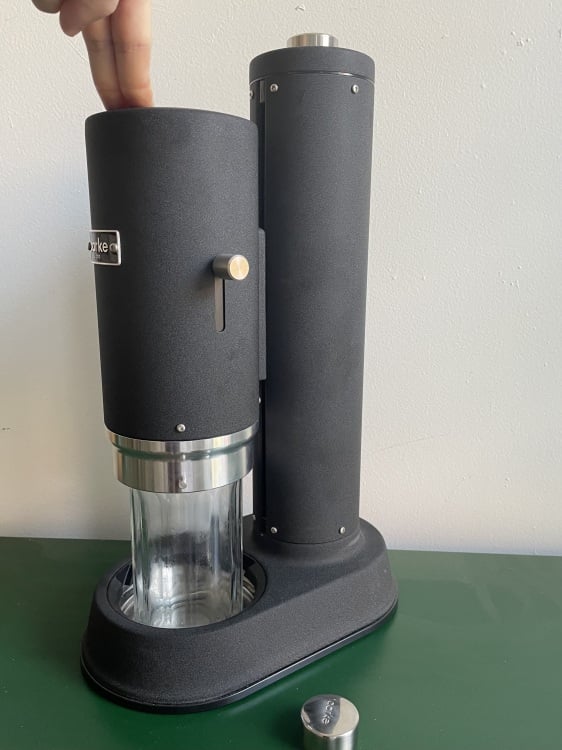
How Does a Soda Siphon Work? The Magic Behind the Fizz
At first glance, a soda siphon might look a bit intimidating, like something out of a vintage chemistry lab. But the science behind it is wonderfully simple. It’s all about forcing CO2 gas to dissolve into water under pressure.
Here’s a breakdown of the process, step by step:
- Fill ‘Er Up: You start by unscrewing the head of the siphon and filling the bottle with very cold water. Pro-tip: The colder the water, the better it absorbs CO2, resulting in a fizzier drink. Most siphons have a fill line—it’s crucial not to overfill, as you need empty space for the gas.
- Seal and Load: Screw the head back on tightly to create an airtight seal. Then, you insert a small CO2 cartridge (often called a charger or a bulb) into a dedicated holder.
- Charge It: You then screw this holder onto the siphon’s head. As you tighten it, a pin inside pierces the cartridge, releasing the pressurized CO2 gas into the bottle. You’ll hear a distinct hiss as the gas floods the empty space above the water.
- Shake, Shake, Shake: Give the siphon a good shake for about 10-15 seconds. This is the most important part! Shaking agitates the water, increasing the surface area and helping the CO2 gas dissolve into the liquid much more efficiently.
- Chill and Serve: For the best results, let the charged siphon rest in the refrigerator for at least a few hours. This allows even more gas to dissolve and makes the bubbles finer and longer-lasting. When you’re ready, just press the lever, and out comes perfectly chilled, fizzy seltzer water, ready for your favorite drink.
Essentially, you’re creating a mini high-pressure environment inside a bottle to force carbonation. Each 8-gram CO2 cartridge is typically good for carbonating one liter of water.
Soda Siphon vs. Modern Soda Maker: The Showdown
Now, you might be thinking, “This sounds cool, but how does it stack up against a modern machine like a SodaStream or our own Soda Maker Pro?” It’s a great question. While both achieve the same end goal—sparkling water—they take very different paths to get there.
| Feature | Soda Siphon | Modern Soda Maker (e.g., Soda Maker Pro) |
|---|---|---|
| Carbonation Source | Small, single-use 8g CO2 cartridges | Large, refillable 60L CO2 cylinders |
| Volume per Charge | ~1 liter | Up to 60 liters |
| Cost per Liter | Higher (due to disposable cartridges) | Significantly lower (bulk CO2 is cheaper) |
| Convenience | Requires shaking and chilling time | Instant carbonation at the push of a button |
| Portability | Excellent. It’s a self-contained unit. | Stationary. Requires countertop space. |
| Aesthetic | Vintage, classic, stylish barware | Sleek, modern kitchen appliance |
| Carbonation Level | Generally a light to medium, consistent fizz | Adjustable, from gentle sparkle to intense bubbles |
The bottom line? A soda siphon is fantastic for its nostalgic charm, portability, and the hands-on craft of making a drink. It’s perfect for the occasional home bartender who loves the ritual. A modern soda maker is built for convenience, cost-effectiveness, and daily use, making it the workhorse for families or anyone who drinks a lot of sparkling water.
|
Our Picks for the Best Soda Maker in 2026
As an Amazon Associate, we earn from qualifying purchases.
|
||
| Num | Product | Action |
|---|---|---|
| 1 | iSi North America Classic Sodamaker Set with Soda Siphon Chargers, 50-Pack - Stainless Steel 1-Quart Sparkling Water System & CO2 Carbonation Chargers for Carbonated Drinks, Juices, Cocktails |

|
| 2 | iSi North America Classic Sodamaker, 1 Quart - Stainless Steel Carbonation System for Sparkling Water, Fresh Beverages, Handcrafted Cocktails - Portable & Professional Soda Maker for Restaurant Use |
|
| 3 | Aarke Carbonator lll with CO2 Cylinder, Sparkling & Carbonation Water Machine, Stainless Steel with PET BPA-Free Reusable Bottle Volume 1L/34 fl oz (Matte White) |
|
| 4 | Sparkling Water Maker, Soda Streaming Machine with 1L BPA-Free Carbonation Bottle, Makes Home Fizzy Drinks, Seltzer Carbonated Water Maker, Compatible with Standard 60L CO2 Carbonators (Not Included) |
|
| 5 | SodaStream - Terra Soda Streaming Machine - STARTER KIT - Sparkling Water Maker with CO2 & Bubly Drop - Eco-Friendly, No Batteries Needed - Black |
|
| 6 | Philips Soda Streaming Machine, Stainless Sparkling Water Maker Easy Install with Quick Twist 1L PET Carbonating Bottle, Soda Maker Compatible with 60L CO2 Carbonator (NOT Included), ADD4902BKOQ/37 |
|
| 7 | Portable Sparkling Water Maker - Travel Soda Maker for Home & Outdoor, 1L Carbonating Bottle, 10 pcs CO2 Cylinders, Compact Carbonated Water Machine for Flavored Drinks, Soda Machine (Red) |
|
| 8 | The Carbon8 Pulse Soda Maker Machine, Premium OmniFizz Sparkling Water Maker, Seltzer & More, Soda Stream Machine for Home, Water Carbonator, Fizz Infuser (CO2 Cylinder Not Included), Black |
|
| 9 | Aarke Carbonator Pro, Sparkling & Carbonation Water Machine, Stainless Steel with Glass Reusable Bottle Volume 800 mL/27 fl oz (Stainless Steel) |
|
| 10 | Sparkling Water Maker, 1L Soda Siphon, Aluminum Sodastream Soda Makers for Home, Portable Water Maker for Soda Water, Cocktails or Soda Water, Use 8 gram CO2 Cartridges(Not Included) |
|
The Real-World Benefits: Why You Might Still Want a Soda Siphon
Even in the age of high-tech appliances, the classic soda siphon holds its own for several key reasons. It’s not just about looks; it has some unique advantages.
- Ultimate Portability: No plugs, no large cylinders. You can easily take a soda siphon to a picnic, on a camping trip, or to a friend’s party. It’s a self-contained fizz factory.
- The Craft and Ritual: There’s a certain satisfaction in the manual process—filling the bottle, charging it, and shaking it. It connects you to the drink-making process in a way a push-button machine doesn’t. It feels more like true bartending.
- Timeless Style: Let’s be honest, a sleek, polished soda siphon looks incredible on a bar cart. It’s a functional piece of art that serves as a conversation starter.
- No Electricity Needed: It’s a completely off-grid solution. Whether you’re in a power outage or in a rustic cabin, you can still have your bubbly water.
As beverage consultant Dr. Aris Thorne notes, “The soda siphon isn’t just a tool; it’s an experience. It forces you to slow down and appreciate the craft. The fizz it produces has a softer, more delicate quality that’s perfect for classic cocktails where you don’t want overpowering carbonation.”
Creative Sips: Beyond Just Plain Seltzer
The seltzer from a soda siphon is the perfect base for a whole world of drinks. Because it produces a clean, crisp carbonation, it’s a favorite among mixologists for cocktails that need a bit of lift without being too aggressive.
Classic Cocktails
- Tom Collins: The clean fizz from a siphon is the ideal partner for gin, lemon juice, and simple syrup.
- Americano: Top off your Campari and sweet vermouth with a splash of seltzer for a refreshing aperitif.
- Vodka Soda: Elevate this simple classic with fresh, homemade seltzer. The difference in bubble quality is noticeable.
Refreshing Mocktails
- Fruit Spritzers: Muddle some fresh berries (raspberries, blueberries) or mint in a glass, add a splash of fruit juice, and top with your homemade seltzer.
- Italian Soda: Add a tablespoon or two of your favorite flavored syrup (like Torani) to a glass with ice, and then fill it with siphon seltzer for a cafe-quality treat.
How to Choose and Maintain Your Soda Siphon
Thinking of adding one to your collection? Here are a few things to keep in mind.
Choosing the Right Siphon
- Material: Most modern siphons are made from either stainless steel or aluminum. Stainless steel models are typically heavier, more durable, and do a better job of keeping water cold, but they often come with a higher price tag. Aluminum is lighter and more budget-friendly.
- Capacity: The standard size is one liter, which is perfect for a few drinks or for one person’s daily use.
Keeping It Clean
Proper maintenance is key to ensuring your siphon lasts for years and your drinks always taste fresh.
- After Each Use: Rinse the bottle thoroughly with warm water.
- Deep Cleaning: Every so often, use a bottle brush with a bit of mild dish soap to scrub the inside. For the head, disassemble any removable parts (like the nozzle and gasket) and wash them carefully.
- Never Use the Dishwasher: The high heat and harsh detergents can damage the seals and finish of your siphon.
- Air Dry Completely: Let all the parts air dry completely before reassembling to prevent any musty odors.
Frequently Asked Questions (FAQ)
Q1: How long does the carbonation last in a soda siphon?
A: Once charged, the water will stay fizzy inside the sealed siphon for several days in the refrigerator. However, like any carbonated beverage, it will slowly lose its fizz each time you dispense it. It’s best to use the liter within a day or two for optimal bubbles.
Q2: Can you carbonate liquids other than water in a soda siphon?
A: It is strongly recommended to only carbonate plain water. Carbonating liquids with sugar, fruit pulp, or alcohol can cause excessive foaming, clog the nozzle, and potentially damage the siphon. Always add flavors after you dispense the carbonated water.
Q3: Are soda siphons safe to use?
A: Yes, when used correctly, they are perfectly safe. Always follow the manufacturer’s instructions, never overfill the bottle, and only use CO2 cartridges designed for soda siphons. Never attempt to use other types of gas chargers, like N2O (nitrous oxide).
Q4: What’s the difference between soda chargers (CO2) and whipped cream chargers (N2O)?
A: This is a crucial distinction. Soda chargers are filled with carbon dioxide (CO2), which dissolves in water to create carbonic acid, giving it that familiar “bite” and fizz. Whipped cream chargers are filled with nitrous oxide (N2O), which dissolves into fat and creates a rich foam, but it won’t carbonate water. They are not interchangeable.
Q5: Is using a soda siphon cheaper than buying bottled seltzer?
A: Initially, there’s the upfront cost of the siphon itself. After that, the cost depends on the price of CO2 cartridges. While it is generally cheaper than buying premium bottled brands like San Pellegrino or Perrier, it can be more expensive per liter than store-brand seltzer or using a modern soda maker with a large CO2 cylinder.
The Final Word on Soda Siphons
So, what is a soda siphon? It’s more than just a kitchen gadget; it’s a piece of history, a stylish bar accessory, and a hands-on tool for crafting delightful, bubbly drinks. While a modern soda maker offers unparalleled convenience and cost savings for daily fizz-lovers, the soda siphon offers a unique experience rooted in tradition and craft. It’s the perfect choice for the home mixologist, the design enthusiast, or anyone who enjoys the simple, satisfying ritual of making something wonderful with their own two hands.