Are you dreaming of perfectly fizzy homemade kombucha, but tired of inconsistent results from natural fermentation? You’ve likely considered using your soda maker to achieve that delightful sparkle. As someone with over a decade of experience in beverage carbonation, I understand the desire for efficiency and control. While a soda maker offers unparalleled convenience for sparkling water, integrating it with kombucha requires a nuanced approach to ensure safety, preserve flavor, and deliver the effervescence you crave. This guide will walk you through the science, the risks, and the safest, most effective methods to get your kombucha bubbling with the help of a soda maker.
What is a Soda Maker and How Does it Work?
At its core, a soda maker, often interchangeably called a sparkling water maker, is a kitchen appliance designed to carbonate liquids by injecting carbon dioxide (CO2) gas. These devices typically use a refillable CO2 cylinder and a special bottle to infuse water with bubbles, transforming still water into sparkling. The process is straightforward: fill the bottle with cold water, attach it to the machine, and press a button or lever to release CO2. This forced carbonation method allows for instant, customizable fizz levels, from a gentle spritz to a vigorous sparkle.
There are generally two main types of soda makers: manual and electric. Manual models rely on hand-pressing a button to control the CO2 release, giving users direct control over the carbonation intensity. Electric models, on the other hand, often feature pre-set carbonation levels, providing a more consistent and hands-free experience. Both types deliver the same fundamental benefit: instant sparkling beverages without the need for single-use plastic bottles. The primary advantage of a soda maker lies in its convenience, offering a quick and environmentally friendly way to enjoy effervescent drinks tailored to your preference.
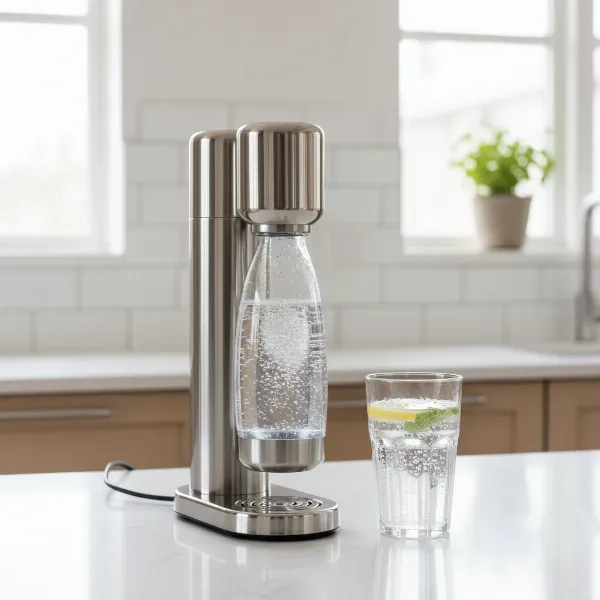 A sleek, modern soda maker on a kitchen counter, preparing a glass of sparkling water.
Understanding Kombucha Carbonation: Natural vs. Forced
To truly appreciate how a soda maker can (or cannot) fit into your kombucha brewing routine, it’s essential to understand the two main ways liquids become carbonated: naturally and through forced carbonation.
Natural Carbonation (Second Fermentation – F2)
|
Our Picks for the Best Soda maker in 2026
As an Amazon Associate I earn from qualifying purchases.
|
||
| Num | Product | Action |
|---|---|---|
| 1 | Philips Sparkling Water Maker ADD4901BKOQ/37, Plastic Soda Streaming Machine with Quick Twist Bottle, 1L BPA free PET Carbonating Bottle, Soda Maker Compatible with 60L CO2 Carbonator (NOT Included) |

|
| 2 | SodaStream - Terra Soda Streaming Machine - STARTER KIT - Sparkling Water Maker with CO2 & Bubly Drop - Eco-Friendly, No Batteries Needed - Black |
|
| 3 | Black Stainless Steel Sparkling Water Maker Soda Machine Includes 1L Stainless Steel Black Bottle and 1 C02 Cylinder |
|
| 4 | Soda Siphon 1L,Portable Sparkling Water Maker,Compact Carbonated Water Machine for Flavored Drinks Reusable Beverages Machine Kit,Travel Soda Machine for Home & Outdoor |
|
| 5 | Philips Soda Streaming Machine, Stainless Sparkling Water Maker Easy Install with Quick Twist 1L PET Carbonating Bottle, Soda Maker Compatible with 60L CO2 Carbonator (NOT Included), ADD4902BKOQ/37 |
|
| 6 | SodaStream - Terra Sparkling Water Maker - VALUE BUNDLE - CQC CO2 system - Includes 2x CO2 Cylinders, 3x 32 Fl Oz Dishwasher Safe Bottles, 2x Bubly Flavor Drops - Combine with Pepsi Flavors - Black |
|
| 7 | Ninja Thirsti Drink System, Soda Maker, Create Unique Sparkling and Still Drinks, Personalize Size and Flavor, Carbonated Water Machine, 60L CO2 Cylinder, Variety of Flavors, Color Black (model 1001) |
|
| 8 | Philips Sparkling Water Maker, Soda Streaming Machine with Quick Twist Bottle, 1L BPA free PET Carbonating Bottle, Soda Maker Compatible with 60L CO2 Carbonator (NOT Included), ADD4902BKOQ/37 |
|
| 9 | Mysoda Ruby 2 Sparkling Water Maker - Soda Streaming Machine Silent Carbonated Water Machine Robust Long-Lasting Aluminium Soda Maker 1L Water Bottle Without CO2 Cylinder - Black Copper Soda Machine |
|
| 10 | SodaStream Terra Sparkling Water Maker Bundle in Black - includes 3-Pack CO2 and Carbonating Bottle |
|
Natural carbonation is the traditional method for kombucha, achieved through a process called second fermentation (F2). After the initial fermentation (F1) where the SCOBY (Symbiotic Culture Of Bacteria and Yeast) transforms sweet tea into tart kombucha, the liquid is bottled with an additional sugar source, often fruit juice, fruit puree, or a small amount of table sugar. When sealed in an airtight bottle, the residual yeast in the kombucha consumes this added sugar, producing carbon dioxide (CO2) gas as a byproduct. Because the CO2 has nowhere to escape, it dissolves into the liquid, creating those beloved bubbles.
This method is cherished by kombucha brewers for several reasons. It not only creates fizz but also allows for deeper flavor development as the added ingredients ferment. The bubbles produced through F2 tend to be finer and more integrated into the drink, offering a nuanced mouthfeel. However, natural carbonation can be a bit unpredictable, requiring careful monitoring of temperature, sugar levels, and fermentation time to achieve the desired fizz without over-carbonation or “bottle bombs.”
Forced Carbonation with a Soda Maker
Forced carbonation, as performed by a soda maker, involves mechanically injecting CO2 gas directly into a liquid under pressure. This is how sodas and many commercial sparkling waters achieve their fizz. For water, it’s a perfectly efficient and safe process. However, when it comes to kombucha, direct forced carbonation presents unique challenges and potential risks.
Unlike plain water, kombucha is a complex living beverage containing yeast, bacteria, and often tiny tea particles or fruit pulp. These suspended solids act as “nucleation points”—sites where CO2 bubbles rapidly form and escape. When a soda maker forcefully injects CO2 into kombucha, especially if it’s not perfectly strained or sufficiently chilled, the gas can nucleate too quickly on these particles, leading to an explosive eruption of foam. This phenomenon is similar to what happens when you shake a can of soda and open it—but on a much messier, and potentially dangerous, scale. While the allure of instant fizz is strong, directly carbonating kombucha in a soda maker is generally not recommended due to the high risk of overflow, mess, and even damage to your appliance.
Direct Carbonation with a Soda Maker: The Risks and the “Handle With Care” Method
Attempting to directly carbonate kombucha using a soda maker is a contentious topic among homebrewers, primarily due to the inherent risks involved. As discussed, kombucha’s live cultures and suspended solids make it prone to excessive foaming and rapid de-gassing when subjected to forced carbonation. This can result in a significant mess, wasted kombucha, and in extreme cases, damage to your soda maker or even personal injury if bottles explode under pressure.
The Risks Explained:
- Rapid Foaming: The yeast and bacterial cultures in kombucha, along with any tea sediment or fruit pulp, provide countless nucleation sites for CO2. When injected, the gas rapidly forms bubbles on these sites, causing the liquid to foam up violently and overflow the bottle, often before adequate carbonation can even occur.
- Pressure Buildup: While soda maker bottles are designed to withstand pressure, introducing a fermenting, sugar-containing liquid directly can lead to unpredictable pressure dynamics, especially if the kombucha is not thoroughly chilled.
- Flavor Dilution/Alteration: The intense bubbling can strip away some of kombucha’s delicate flavors and aromas, or it might not achieve the desired fizz without compromising the drink.
The “Handle With Care” Method (If Attempting – with strong warnings):
Despite the risks, some dedicated brewers experiment with direct carbonation, albeit with extreme caution. If you choose to try this method, proceed with utmost care and at your own risk.
- Thoroughly Chill and Strain: Ensure your kombucha is exceptionally cold (refrigerator temperature for at least 24 hours). Cold liquids absorb and hold CO2 better. Additionally, strain your kombucha thoroughly to remove as much yeast sediment and fruit pulp as possible. This reduces nucleation points.
- Use a Dedicated Soda Maker Bottle: Always use the manufacturer-approved bottle for your soda maker. These are designed to withstand the necessary pressure.
- Fill Partially: Never fill the bottle to the usual fill line for water. Fill it no more than two-thirds full to allow ample headspace for foaming.
- Carbonate Cautiously:
- Attach the bottle to your soda maker.
- Apply CO2 in very short, controlled bursts. Listen for the fizzing and watch the liquid closely.
- Do not carbonate beyond 1-2 presses. Over-carbonation is a significant risk.
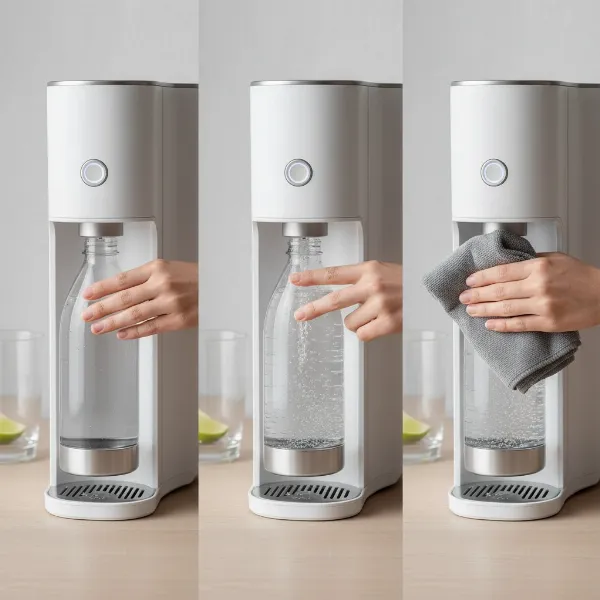
- Slow Release: After carbonating, allow the bottle to sit on the machine for at least a minute to let some of the initial foam subside. Then, very slowly and gradually release the pressure, ideally over a sink, covering the bottle opening with your hand or a cloth to prevent a sudden eruption.
- Immediately Cap and Refrigerate: Once removed, immediately cap the bottle tightly and return it to the refrigerator to further dissolve the CO2 and stabilize the fizz.
Crucial Warning: This method is highly experimental and carries significant risks of mess, lost kombucha, and potential damage. Many experienced brewers strongly advise against it. The “natural” elements of kombucha make it inherently unsuitable for the direct, rapid carbonation process of a soda maker.
Safer Alternatives for Sparkling Kombucha with Your Soda Maker
Given the challenges of direct carbonation, it’s often more practical and safer to integrate your soda maker into your kombucha routine using indirect methods. These approaches leverage the soda maker’s capabilities without exposing it (or your kitchen) to the inherent mess of directly carbonating a fermented product.
Method 1: Carbonate Water, Then Mix
This is by far the safest and most recommended method for incorporating a soda maker into your kombucha experience. It allows you to enjoy the convenience of your machine while still getting that refreshing fizz.
- Brew Your Kombucha Normally: Complete your first fermentation (F1) and, if desired, a light second fermentation (F2) for flavor without aiming for full carbonation. This ensures your kombucha has its distinct taste profile.
- Carbonate Water: Using your soda maker, carbonate a batch of cold, plain water to your desired fizz level. Cold water holds carbonation much more effectively.
- Combine and Enjoy: In a serving glass, pour your finished kombucha (either F1 or lightly F2) and then top it off with the freshly carbonated water from your soda maker. You can adjust the ratio to your preference, typically a 50/50 mix or a higher kombucha-to-water ratio.
- Add Flavorings (Optional): This method is perfect for experimenting with additional flavors. Add fruit slices, fresh herbs, or a dash of simple syrup to your glass before combining the kombucha and sparkling water.
Benefits:
- Safety First: Eliminates the risk of explosions, overflows, or damaging your soda maker.
- Controlled Fizz: You get perfectly consistent carbonation from the water, which you can then blend.
- Flavor Preservation: The delicate nuances of your kombucha are not disturbed by aggressive carbonation.
- Versatility: Ideal for creating kombucha spritzers, cocktails, or a lighter, more refreshing drink.
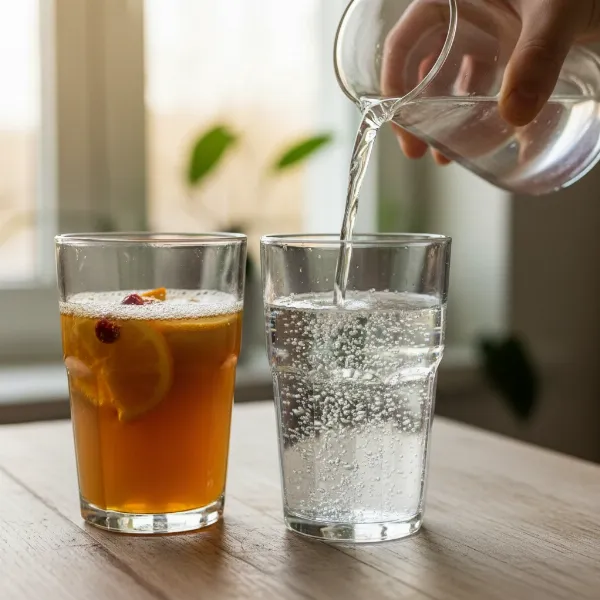 Two glasses, one with kombucha and the other with carbonated water, ready to be mixed for a sparkling drink.
Method 2: Utilizing Soda Maker Bottles for Traditional Second Fermentation (F2)
While not using the soda maker’s carbonation function, its bottles themselves can be incredibly useful. Many SodaStream bottles are made from PET plastic and are designed to withstand significant pressure, making them excellent candidates for traditional second fermentation (F2).
- Prepare for F2: After your kombucha’s first fermentation, strain it and prepare it for F2 as usual. This involves adding your chosen sugar source (fruit juice, puree, sugar, etc.) to the kombucha.
- Fill Soda Maker Bottles: Carefully pour the kombucha into your clean SodaStream bottles, leaving adequate headspace (about 1-2 inches from the top) to allow for CO2 buildup.
- Seal and Ferment: Cap the bottles tightly with their original soda maker caps. Place them in a warm, dark spot for 1-3 days for second fermentation. The yeast will consume the sugar and naturally carbonate the kombucha.
- Refrigerate: Once the desired fizz is achieved (you can gently open one bottle to “burp” and test the carbonation), move the bottles to the refrigerator. Chilling will slow down fermentation and help the CO2 dissolve into the liquid, preventing over-carbonation and potential bottle bombs.
Benefits:
- Pressure-Rated Containers: Soda maker bottles are robust and can safely handle the pressure of natural carbonation.
- Convenience: If you already own these bottles, it saves you from buying additional specialized F2 bottles.
- Familiarity: Integrates with your existing brewing equipment.
Important Note: Always check the expiration date on your SodaStream bottles. Plastic bottles can degrade over time and may not safely hold pressure beyond their recommended lifespan.
Essential Tips for Achieving Perfect Kombucha Fizz (Regardless of Method)
Whether you opt for traditional F2 or a safer soda maker integration, these universal tips will help you achieve wonderfully fizzy kombucha every time:
- Optimal Temperature for F2: Yeast activity thrives in warmth. For natural carbonation during F2, aim for a consistent room temperature between 75-85°F (24-29°C). A warmer environment will generally lead to faster carbonation.
- Choosing the Right Sugar Source: Yeast needs sugar to produce CO2. Fruit juices (especially those high in natural sugars like grape or apple), fruit purees, or a small amount of cane sugar are excellent choices for boosting fizz in F2. Ginger is also known to kickstart yeast activity and enhance carbonation.
- Proper Headspace in Bottles: For F2, leaving 1 to 2 inches of headspace in your bottles is crucial. Too little can lead to over-carbonation and messy explosions; too much can result in weak fizz because there isn’t enough pressure buildup.
- Importance of Chilling: Always chill your kombucha thoroughly before opening or serving. Cold liquids hold carbonation much better than warm ones, reducing the chance of a “fizz geyser” and ensuring a crisp, enjoyable drink.
- Use Pressure-Rated Bottles for F2: If doing F2, invest in high-quality, pressure-rated bottles such as swing-top bottles, beer bottles, or even the aforementioned soda maker bottles. Regular glass jars are not designed to withstand pressure and can shatter.
- “Burping” (for F2 only): If you’re concerned about over-carbonation during F2, especially in warmer climates or with very sugary additions, you can “burp” your bottles daily. This involves briefly opening the cap to release a small amount of pressure, then immediately re-sealing. Be careful not to release too much, or you’ll lose your fizz. Refrigerate promptly once you reach your desired carbonation level.
“Achieving the perfect fizz in kombucha is a delicate balance of science and patience. Understanding your yeast and giving it the right conditions, whether through natural fermentation or clever mixing, is key to a truly sparkling brew.” – Alex Chen, Fermentation Expert at Sodamakerpro.com
Top Soda Makers and Accessories for Kombucha Enthusiasts
While direct carbonation of kombucha in a soda maker is ill-advised, these appliances are fantastic for creating the sparkling water needed for Method 1, or their bottles can be repurposed for F2. When choosing a soda maker, consider these factors:
- Ease of Use: Look for models with simple mechanisms for attaching bottles and dispensing CO2.
- Durability: A robust machine will withstand frequent use. Brands like SodaStream and Aarke are popular choices, known for their reliability.
- CO2 Cylinder Availability: Ensure CO2 refills are readily available in your area. Some brands offer exchange programs.
- Bottle Compatibility: Most soda makers come with proprietary bottles. If you plan to use them for F2, ensure they are in good condition and within their expiration date.
Essential Accessories:
- Extra Bottles: Having multiple bottles is convenient for continuous carbonation of water or for parallel F2 batches.
- Cleaning Brushes: Essential for maintaining hygiene and preventing residue buildup in both your soda maker bottles and kombucha F2 bottles.
- Funnel: A good funnel makes transferring kombucha into bottles for F2 much easier and cleaner.
- Swing-Top Bottles: While soda maker bottles can work for F2, dedicated swing-top bottles are often preferred for their reliable seal and aesthetic appeal for serving.
Troubleshooting Common Kombucha Carbonation Issues
Even with the best practices, you might encounter issues. Here’s how to troubleshoot:
Flat Kombucha
- Not Enough Sugar: The yeast needs fuel! If your kombucha is flat, try adding a little more sugar (e.g., a teaspoon of cane sugar or an extra splash of fruit juice) during F2.
- Too Cold F2: If your fermentation area is too cool, yeast activity will slow down, resulting in less CO2 production. Move bottles to a warmer spot.
- Leaky Seals: Ensure your bottles are truly airtight. Loose caps or worn-out rubber gaskets on swing-top bottles can allow CO2 to escape.
- Not Enough Yeast: If you filtered your F1 too aggressively or didn’t stir before bottling, some F2 bottles might lack sufficient yeast.
Over-Carbonated Kombucha / Bottle Bombs
- Too Much Sugar: An excess of sugar in F2 will lead to vigorous yeast activity and rapid CO2 production, causing dangerous pressure buildup.
- Too Warm F2: High temperatures accelerate fermentation, leading to faster carbonation. If it’s too warm, check bottles more frequently or reduce F2 time.
- Too Long F2: Leaving bottles to ferment for too many days at room temperature will inevitably lead to over-carbonation. Move to refrigeration once you achieve your desired fizz.
- Lack of “Burping” (if applicable): If you’re using a high-sugar recipe and not releasing pressure occasionally, an explosion becomes more likely.
To fine-tune your fizz, remember that consistency is key. Keep notes on the amount of sugar, temperature, and duration of F2 for each batch. This will help you identify what works best for your specific brewing conditions and preferences.
Conclusion
Creating perfectly fizzy homemade kombucha is a rewarding endeavor that doesn’t always require complex equipment, but certainly benefits from smart techniques. While the direct use of a soda maker for carbonating kombucha presents significant challenges due to the beverage’s unique composition, safer and more effective methods exist. By carbonating water separately and mixing it with your kombucha, or by leveraging the pressure-rated bottles of your soda maker for a traditional second fermentation, you can achieve consistent, delightful fizz without the risks of a messy eruption.
Embrace the journey of experimentation, always prioritizing safety and understanding the science behind the bubbles. With the right approach, your soda maker can indeed be a valuable ally in your quest for sparkling kombucha, transforming your homemade brew into a fizzy, refreshing delight every time. What’s your favorite way to enjoy a perfectly fizzy glass of kombucha?
Frequently Asked Questions
Can I put kombucha directly into a SodaStream?
It is generally not recommended to put kombucha directly into a SodaStream or similar soda maker due to the risk of excessive foaming, mess, and potential damage to the machine, caused by the suspended yeast and solids in kombucha reacting violently with the injected CO2.
How do I make kombucha fizzy without a second fermentation?
While most kombucha carbonation occurs during second fermentation, you can achieve a quick fizz by carbonating plain water with your soda maker and then mixing it with your finished (first ferment) kombucha. This provides instant bubbles without the need for additional fermentation.
What causes kombucha to be flat?
Flat kombucha can be caused by several factors, including insufficient sugar during the second fermentation, a brewing temperature that is too cold for yeast activity, or leaky bottle seals that allow CO2 to escape. Ensuring proper sugar content, a warm environment, and airtight bottles are crucial for fizz.
Are SodaStream bottles safe for kombucha second fermentation?
Yes, SodaStream bottles can be safe and effective for traditional second fermentation (F2) of kombucha because they are designed to withstand internal pressure. However, it’s essential to check the bottle’s expiration date, as plastic can degrade over time and compromise its pressure-holding capabilities.
How much sugar should I add for fizzy kombucha in F2?
The amount of sugar needed for F2 varies, but a common guideline is to add 1-2 tablespoons of fruit juice or puree, or about 1/4 to 1/2 teaspoon of cane sugar per 16-ounce bottle. Adjust based on your desired fizz level and the natural sugar content of any added flavorings.
Does carbonating kombucha increase its alcohol content?
Natural carbonation through second fermentation involves yeast consuming sugar and producing a small amount of alcohol along with CO2. While it does slightly increase the alcohol content, homemade kombucha typically remains below 0.5% ABV, staying within the non-alcoholic beverage category.