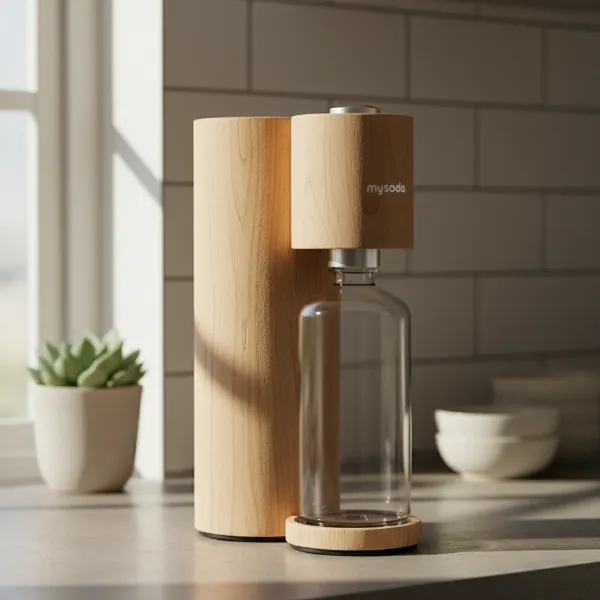
The hum of a soda maker transforming plain water into sparkling refreshment is a familiar sound in many kitchens. But at the heart of every bubbly creation lies the CO2 cylinder, the vital component that injects the fizz. For home carbonation enthusiasts, understanding the two primary types of CO2 cylinders—screw-in and quick connect—is crucial for an optimal experience. Each offers a distinct design and user interaction, influencing everything from ease of use to machine compatibility. This comprehensive guide will illuminate the differences, benefits, and considerations for both, ensuring you can confidently choose the right CO2 solution for your sparkling water maker and maintain that perfect level of fizz.
What Are Screw-in CO2 Cylinders? The Classic Choice
Screw-in CO2 cylinders, often referred to as threaded or classic cylinders, represent the long-standing standard in home carbonation. These cylinders feature a threaded neck that screws directly into a compatible soda maker, creating a secure, airtight seal essential for the carbonation process. Their design has been a staple in the industry for many years, making them widely recognizable and available.
The key characteristic of a screw-in cylinder is its threaded top, which requires manual twisting to install and remove. This ensures a tight and reliable connection, which is paramount for preventing CO2 leakage during operation. Screw-in cylinders are compatible with a broad range of soda makers, including many older models and popular machines from various brands such as SodaStream (like the Fizzi, One Touch, and Jet), Aarke, Drinkmate, and Ninja. They are often distinguished by a green or blue wrapping or label, making them identifiable when shopping for replacements or exchanges.
“The reliability of screw-in cylinders stems from their proven threaded connection, which has served home soda makers effectively for decades.”
While offering broad compatibility and a secure fit, the installation process does involve a bit more effort. Users must ensure the cylinder is screwed in firmly but not overtightened, a balance that comes with practice. Despite the manual effort, their widespread availability and versatility make them a reliable choice for many sparkling water aficionados.
Introducing Quick Connect CO2 Cylinders: The Modern Solution
Quick Connect CO2 cylinders, also known as snap-on or easy connect canisters, represent a newer innovation designed for ultimate convenience. These cylinders feature a flat top and a snap-on mechanism that allows for effortless insertion and removal from compatible soda makers. Instead of twisting, users simply push the cylinder into place until it locks, much like buckling a seatbelt.
This modern design eliminates the need for screwing or twisting, simplifying the cylinder changing process considerably. Quick Connect cylinders are specifically engineered for newer generations of soda makers, such as the SodaStream Terra, Duo, Art, and certain Aqua Fizz models with a pink/black handle. They are easily identified by a pink or turquoise wrapping or a distinct pink valve seal on top.
The primary advantage of Quick Connect cylinders is their user-friendly design. They promise a hassle-free connection, removing any ambiguity about whether the cylinder is tightened enough. This can be particularly appealing for frequent users or those who prioritize speed and ease. However, this convenience comes with a trade-off: Quick Connect cylinders are not universally compatible and only work with machines specifically designed for their snap-on mechanism. Some users have also reported potential CO2 leaks or less efficient carbonation with certain quick connect machines, though proper installation is key for optimal performance. As the industry evolves, these newer cylinders are becoming more prevalent in modern sparkling water systems.
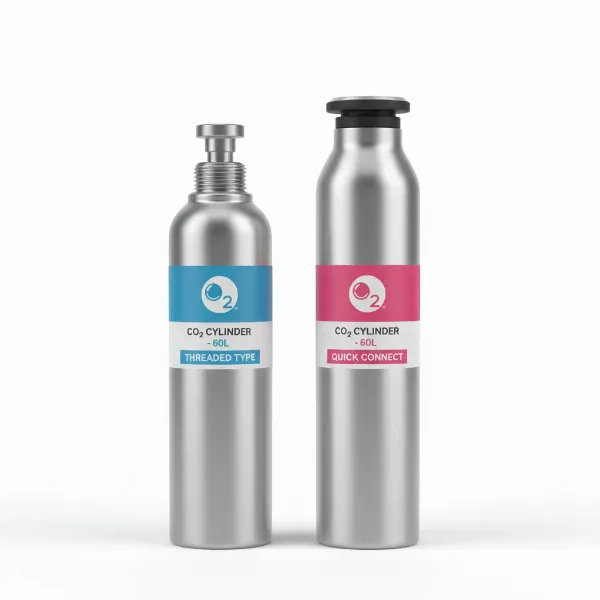 A side-by-side comparison of a screw-in and a quick connect CO2 cylinder for soda makers, highlighting their distinct connection mechanisms.
Screw-in vs. Quick Connect CO2 Cylinders: A Detailed Comparison
Deciding between screw-in and quick connect CO2 cylinders largely depends on your soda maker model and personal preferences. While both achieve the same goal of carbonating water, their operational differences significantly impact the user experience. Here’s a detailed comparison to help you understand the nuances.
| Feature | Screw-in CO2 Cylinder | Quick Connect CO2 Cylinder |
|---|---|---|
| Connection | Threaded valve, screws into the machine | Snap-on mechanism, clicks into place |
| Compatibility | Broad (older and many current models across brands) | Limited (newer SodaStream models: Terra, Duo, Art, etc.) |
| Ease of Use | Moderate; requires manual twisting, proper tightening | High; simple push-and-click operation |
| Installation Time | Slightly longer due to threading | Faster, instant connection |
| Identification | Often green or blue colored packaging/valve | Often pink or turquoise colored packaging/valve |
| Perceived Security | Very secure when properly tightened | Secure snap, but some user reports of occasional leaks |
| Innovation Stage | Classic, traditional design | Newer generation, modern design |
The most significant difference lies in the connection mechanism. Screw-in cylinders demand a manual, twisting action to engage the threads, which ensures a tight fit, but requires a degree of physical effort and attention to avoid over or under-tightening. In contrast, Quick Connect cylinders offer a “set it and forget it” convenience, where a simple push engages the cylinder and locks it securely, streamlining the process significantly.
Compatibility is another critical differentiator. Screw-in cylinders boast a wider range of compatibility, fitting many different soda maker brands and older models, making them a more universal option historically. Quick Connect cylinders, however, are a proprietary design primarily for SodaStream’s newer machines, limiting their use to specific models. This means your existing soda maker largely dictates which cylinder type you must use.
Regarding user experience, Quick Connect cylinders excel in ease and speed of installation, catering to those who value efficiency above all. The straightforward snap-on design can reduce frustration and ensure a consistent connection. However, some users have noted that screw-in systems, when properly installed, can feel more robust and, in some cases, may lead to more consistent carbonation without reported leaks.
Choosing the Right CO2 Cylinder for Your Soda Maker
Selecting the correct CO2 cylinder type is paramount to ensuring your soda maker functions properly and efficiently. The good news is, the choice is usually quite straightforward, dictated primarily by your machine.
First and foremost, assess your current soda maker. This is the most critical step. Most soda makers are designed to accept only one type of CO2 cylinder. Consult your machine’s user manual, check the manufacturer’s website, or simply examine the cylinder insertion area. If it has visible threads, you need a screw-in cylinder. If it features a slot where a cylinder slides in and clicks, then a Quick Connect cylinder is your match. Pay attention to any color coding, such as a pink seal for Quick Connect systems or a blue/green label for screw-in types.
If you are considering future upgrades or purchasing a new soda maker, the cylinder type might become a deciding factor. Newer SodaStream models often utilize the Quick Connect system, while many other brands and older SodaStream units continue to use screw-in cylinders. Think about your long-term preferences for convenience versus broad compatibility.
Availability of refills and exchanges in your local area is also a practical consideration. While both types are widely available, specific local retailers might stock one type more prominently than the other. Checking with your usual exchange points can save you a trip.
Finally, your ease of use preference plays a role. If you prioritize a quick, effortless cylinder change, and you own a compatible newer machine, Quick Connect is likely your preferred option. If you value broad compatibility and don’t mind the manual screwing action, or if your machine requires it, then screw-in cylinders are the way to go.
It’s worth noting that adapters exist that can sometimes allow a screw-in (blue) cylinder to be used in a Quick Connect (pink) machine, offering a potential workaround for compatibility issues. However, these are third-party solutions and may not be endorsed by soda maker manufacturers, so research and caution are advised.
Maximizing Your CO2 Cylinder Life and Performance
Proper usage and maintenance of your CO2 cylinders are key to enjoying consistent carbonation and extending the lifespan of your equipment. Whether you’re using a screw-in or quick connect system, a few best practices can make a significant difference.
For proper installation, always follow your soda maker’s instructions carefully. With screw-in cylinders, ensure the cylinder is securely tightened to prevent CO2 leaks, but avoid overtightening, which can damage the threads. For quick connect cylinders, confirm that the cylinder clicks firmly into place, indicating a secure connection. A loose connection, regardless of cylinder type, can lead to wasted CO2 and insufficient carbonation.
Storage tips are crucial for maintaining the integrity of your CO2. Always store your carbonating cylinders in a cool, dry environment, such as a pantry, and never expose them to direct sunlight or other heat sources. Extreme temperatures can affect the pressure inside the cylinder, potentially leading to safety issues or inefficient carbonation. Each cylinder is fitted with a safety valve that will release gas if pressure rises too high, but proper storage helps prevent this.
Knowing when to refill or exchange your cylinder is also important. Signs of low gas include less fizz in your carbonated drinks, a weaker “buzz” sound during carbonation, or an inability to produce carbonation at all. Most cylinders are designed to carbonate about 60 liters of water before needing replacement.
For troubleshooting common issues, if you experience poor carbonation or hear a hissing sound, first recheck the cylinder connection. A slight adjustment or re-installation can often resolve minor leaks. Ensure your water is cold, as cold water absorbs CO2 more effectively, leading to better fizz. If issues persist after checking the connection and water temperature, it may be time for a new cylinder. Avoid carbonating beverages with added syrups or fruit directly in the machine, as this can clog the spout and damage the appliance.
Conclusion
The choice between screw-in and quick connect CO2 cylinders ultimately boils down to compatibility with your specific soda maker and your personal preference for convenience. While screw-in cylinders offer broad compatibility and a time-tested, secure threaded connection, quick connect cylinders provide an effortless, snap-on experience for newer machines. Both types serve the same essential function, delivering refreshing bubbles to your homemade beverages, and both are designed to be reusable, refillable, and recyclable, supporting a more sustainable lifestyle.
Before purchasing a replacement cylinder, always verify the type your soda maker requires, noting any color coding or physical connection features. By understanding these differences, you’re empowered to make an informed decision, ensuring your home carbonation system runs smoothly and keeps the fizz flowing.
What’s your preferred method for sparkling water at home – the classic screw-in or the modern quick connect system?
Frequently Asked Questions
Can I use a screw-in CO2 cylinder in a Quick Connect soda maker?
|
Our Picks for the Best Soda maker in 2026
As an Amazon Associate I earn from qualifying purchases.
|
||
| Num | Product | Action |
|---|---|---|
| 1 | Soda Siphon 1L,Portable Sparkling Water Maker,Compact Carbonated Water Machine for Flavored Drinks Reusable Beverages Machine Kit,Travel Soda Machine for Home & Outdoor |

|
| 2 | Philips Sparkling Water Maker ADD4901BKOQ/37, Plastic Soda Streaming Machine with Quick Twist Bottle, 1L BPA free PET Carbonating Bottle, Soda Maker Compatible with 60L CO2 Carbonator (NOT Included) |
|
| 3 | Ninja Thirsti Drink System, Soda Maker, Create Unique Sparkling and Still Drinks, Personalize Size and Flavor, Carbonated Water Machine, 60L CO2 Cylinder, Variety of Flavors, Color Black (model 1001) |
|
| 4 | Mysoda Ruby 2 Sparkling Water Maker - Soda Streaming Machine Silent Carbonated Water Machine Robust Long-Lasting Aluminium Soda Maker 1L Water Bottle Without CO2 Cylinder - Black Copper Soda Machine |
|
| 5 | SodaStream - Terra Soda Streaming Machine - STARTER KIT - Sparkling Water Maker with CO2 & Bubly Drop - Eco-Friendly, No Batteries Needed - Black |
|
| 6 | Black Stainless Steel Sparkling Water Maker Soda Machine Includes 1L Stainless Steel Black Bottle and 1 C02 Cylinder |
|
| 7 | SodaStream Terra Sparkling Water Maker Bundle in Black - includes 3-Pack CO2 and Carbonating Bottle |
|
| 8 | SodaStream - Terra Sparkling Water Maker - VALUE BUNDLE - CQC CO2 system - Includes 2x CO2 Cylinders, 3x 32 Fl Oz Dishwasher Safe Bottles, 2x Bubly Flavor Drops - Combine with Pepsi Flavors - Black |
|
| 9 | Philips Sparkling Water Maker, Soda Streaming Machine with Quick Twist Bottle, 1L BPA free PET Carbonating Bottle, Soda Maker Compatible with 60L CO2 Carbonator (NOT Included), ADD4902BKOQ/37 |
|
| 10 | Philips Soda Streaming Machine, Stainless Sparkling Water Maker Easy Install with Quick Twist 1L PET Carbonating Bottle, Soda Maker Compatible with 60L CO2 Carbonator (NOT Included), ADD4902BKOQ/37 |
|
Generally, no. Screw-in cylinders and Quick Connect cylinders have entirely different connection mechanisms and are not interchangeable. However, third-party adapters are available that can modify some Quick Connect machines to accept screw-in cylinders, but it’s important to research these solutions carefully.
How can I tell which CO2 cylinder my soda maker needs?
You can identify the correct cylinder type by looking at the cylinder itself or your machine. Screw-in cylinders have a visible threaded top and are often green or blue. Quick Connect cylinders have a flat top and usually feature a pink or turquoise color or valve seal. Always check your soda maker’s manual for definitive compatibility information.
Do Quick Connect cylinders leak CO2 more often than screw-in cylinders?
Some user reports suggest that certain Quick Connect systems might be more prone to CO2 leakage compared to screw-in models, potentially leading to less efficient carbonation. However, proper installation and ensuring a firm snap-on connection are crucial for both types to minimize any gas loss. Manufacturers continually work to improve sealing mechanisms.
How many liters of sparkling water can one CO2 cylinder typically make?
A standard CO2 cylinder for home soda makers, regardless of whether it’s screw-in or quick connect, typically holds enough gas to carbonate approximately 60 liters of water. This estimate can vary slightly depending on your desired level of fizziness and how efficiently your machine operates.
Are CO2 cylinders for soda makers environmentally friendly?
Yes, CO2 cylinders are designed with environmental sustainability in mind. They are reusable, refillable, and recyclable, significantly reducing the waste associated with single-use plastic bottles. By exchanging empty cylinders for full ones, you contribute to a circular economy and minimize your ecological footprint.