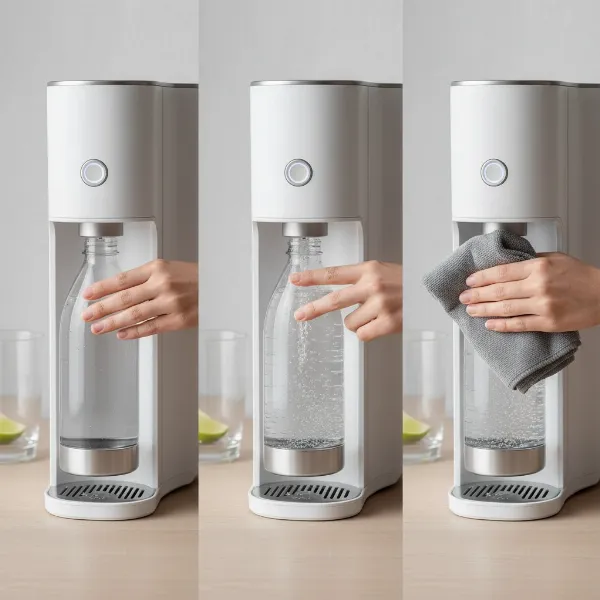
Craving fresh, fizzy drinks at home but dreading the cleanup? In the fast-paced world of home beverages, a soda maker has become a kitchen essential for many, offering a personalized touch to your hydration. However, the convenience of creating sparkling water or sodas can quickly turn into a chore when facing sticky bottles that demand meticulous hand-washing. This is where soda makers with dishwasher-safe bottles emerge as a true game-changer, promising not just refreshing drinks but also effortless maintenance.
This comprehensive guide dives into the world of home carbonation, focusing specifically on the top models that integrate seamlessly into your busy lifestyle with their easy-to-clean, dishwasher-safe bottles. We’ll explore why this feature is paramount, compare bottle types, highlight leading models, and provide essential tips to ensure your sparkling water maker delivers both effervescence and ease for years to come.
What is a Soda Maker and Why the Buzz?
A soda maker, often referred to as a sparkling water maker or seltzer machine, is a compact kitchen appliance designed to transform plain tap water into carbonated water. It achieves this by infusing water with carbon dioxide (CO2) from a pressurized cylinder. The process is remarkably simple: fill a special bottle with water, attach it to the machine, and press a button or pull a lever to inject the CO2.
The appeal of soda makers has soared, driven by a convergence of factors. Firstly, they align with a growing trend towards healthier living, allowing users to control sugar and artificial additive intake by creating custom beverages or simply enjoying plain sparkling water. Secondly, the environmental benefits are significant; owning a soda maker drastically reduces the consumption of single-use plastic bottles, contributing to a more sustainable household. Lastly, the sheer convenience and cost-effectiveness of making sparkling drinks on demand, without constant trips to the grocery store or lugging heavy bottles, make them an attractive investment for modern homes.
The Undeniable Advantage: Why Dishwasher-Safe Bottles Matter
The ability to toss your soda maker bottles into the dishwasher might seem like a small detail, but it profoundly impacts your daily routine and overall user experience. This feature elevates convenience from “making drinks at home” to “making and cleaning up with minimal effort.”
Dishwasher-safe bottles offer unparalleled hygiene. Dishwashers utilize high temperatures and powerful jets to sanitize dishes more effectively than hand-washing, ensuring that no lingering odors or residue from previous beverages affect your fresh sparkling water. This thorough cleaning is especially important for bottles used regularly, preventing bacterial buildup and maintaining the purity of your drinks. Beyond hygiene, the time saved is substantial. Instead of scrubbing narrow bottle necks or dealing with specialized cleaning brushes, you simply load and unload, freeing up precious minutes for other tasks. For many users, this ease of maintenance is a crucial factor, turning a potential chore into a seamless part of their kitchen routine.
Types of Soda Maker Bottles: Plastic vs. Glass
Soda maker bottles primarily come in two materials: durable plastic and elegant glass. Each has distinct characteristics, especially when it comes to dishwasher compatibility and long-term use.
Plastic Bottles (PET/PETE)
Most common soda maker bottles are made from polyethylene terephthalate (PET or PETE) plastic. Modern plastic bottles from reputable brands are typically BPA-free, addressing health concerns regarding chemical leaching.
- Pros: Plastic bottles are generally lighter and more resistant to breakage if dropped, making them a practical choice for everyday use and for households with children. Dishwasher-safe plastic bottles are designed to withstand higher temperatures, up to about 158°F (70°C), ensuring they can endure standard dishwasher cycles without deforming.
- Cons: Unlike glass, plastic bottles have an expiry date. Due to the repeated pressure of carbonation and exposure to heat, plastic can degrade and deform over time, which can lead to cracks and potential safety hazards. Manufacturers recommend replacing plastic carbonating bottles after a specified period, usually two to three years, even if they are dishwasher-safe.
|
Our Picks for the Best Soda maker in 2026
As an Amazon Associate I earn from qualifying purchases.
|
||
| Num | Product | Action |
|---|---|---|
| 1 | Soda Siphon 1L,Portable Sparkling Water Maker,Compact Carbonated Water Machine for Flavored Drinks Reusable Beverages Machine Kit,Travel Soda Machine for Home & Outdoor |

|
| 2 | Mysoda Ruby 2 Sparkling Water Maker - Soda Streaming Machine Silent Carbonated Water Machine Robust Long-Lasting Aluminium Soda Maker 1L Water Bottle Without CO2 Cylinder - Black Copper Soda Machine |
|
| 3 | Ninja Thirsti Drink System, Soda Maker, Create Unique Sparkling and Still Drinks, Personalize Size and Flavor, Carbonated Water Machine, 60L CO2 Cylinder, Variety of Flavors, Color Black (model 1001) |
|
| 4 | Philips Soda Streaming Machine, Stainless Sparkling Water Maker Easy Install with Quick Twist 1L PET Carbonating Bottle, Soda Maker Compatible with 60L CO2 Carbonator (NOT Included), ADD4902BKOQ/37 |
|
| 5 | Philips Sparkling Water Maker ADD4901BKOQ/37, Plastic Soda Streaming Machine with Quick Twist Bottle, 1L BPA free PET Carbonating Bottle, Soda Maker Compatible with 60L CO2 Carbonator (NOT Included) |
|
| 6 | Philips Sparkling Water Maker, Soda Streaming Machine with Quick Twist Bottle, 1L BPA free PET Carbonating Bottle, Soda Maker Compatible with 60L CO2 Carbonator (NOT Included), ADD4902BKOQ/37 |
|
| 7 | Black Stainless Steel Sparkling Water Maker Soda Machine Includes 1L Stainless Steel Black Bottle and 1 C02 Cylinder |
|
| 8 | SodaStream - Terra Sparkling Water Maker - VALUE BUNDLE - CQC CO2 system - Includes 2x CO2 Cylinders, 3x 32 Fl Oz Dishwasher Safe Bottles, 2x Bubly Flavor Drops - Combine with Pepsi Flavors - Black |
|
| 9 | SodaStream Terra Sparkling Water Maker Bundle in Black - includes 3-Pack CO2 and Carbonating Bottle |
|
| 10 | SodaStream - Terra Soda Streaming Machine - STARTER KIT - Sparkling Water Maker with CO2 & Bubly Drop - Eco-Friendly, No Batteries Needed - Black |
|
Glass Carafes
Glass carafes offer a premium feel and superior purity, often favored for their aesthetic appeal and perceived health benefits.
- Pros: Glass is non-porous and chemically inert, meaning it won’t absorb flavors or odors, and there’s no risk of chemical transfer to your drinks. Glass carafes can also be used indefinitely, provided they remain free from cracks or damage, making them a more sustainable long-term option than plastic bottles with expiry dates. Crucially, virtually all glass carafes are dishwasher-safe, offering the ultimate in cleaning convenience. They also tend to keep beverages colder for longer.
- Cons: Glass is heavier and more fragile than plastic, prone to breaking if dropped. Machines designed for glass carafes might also be slightly larger or come at a higher price point.
Top Soda Makers with Dishwasher-Safe Bottles
When selecting a soda maker, the convenience of dishwasher-safe bottles is a significant plus. Here are some of the best models known for this desirable feature:
SodaStream AquaFizz Sparkling Water Maker
The SodaStream AquaFizz stands out with its elegant glass carafes, making it a top choice for those prioritizing aesthetics and purity. The machine features a unique cradle system that securely holds the glass bottle during carbonation, offering a hands-off and safe experience.
- Bottle Type: Glass Carafes
- Key Features: Stylish design, secure bottle-loading mechanism, eliminates plastic bottle expiry.
- Pros: Glass carafes are indefinitely reusable and fully dishwasher-safe, providing exceptional hygiene and peace of mind. Offers a premium sparkling water experience.
- Cons: Glass carafes are heavier and more fragile than plastic, and the machine itself can be pricier.
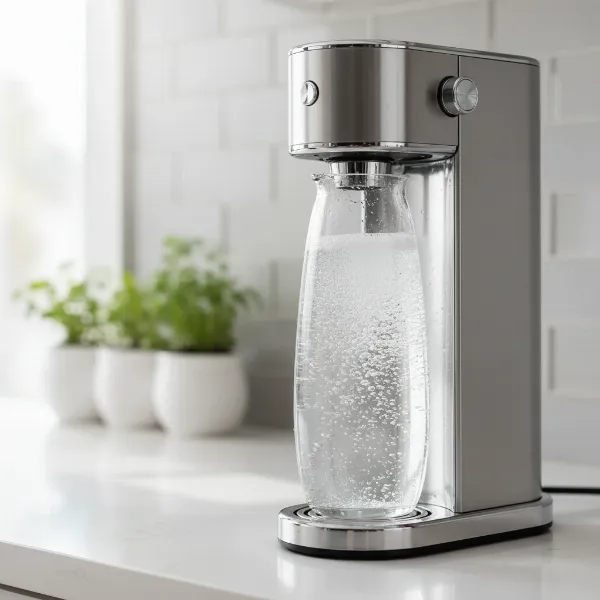 A sleek SodaStream AquaFizz soda maker on a kitchen counter with sparkling water in its elegant, dishwasher-safe glass carafe.
SodaStream Terra Sparkling Water Maker
The SodaStream Terra is a popular choice for its balance of affordability, ease of use, and the convenience of dishwasher-safe plastic bottles. It’s a versatile entry-level option that still delivers on easy cleanup.
- Bottle Type: Plastic Bottles (BPA-free)
- Key Features: Compact design, easy Quick Connect CO2 cylinder insertion, push-button carbonation.
- Pros: Affordable and widely available. Its plastic bottles are designed to be dishwasher-safe, making cleanup simple. Lightweight and durable for everyday use.
- Cons: Plastic bottles have an expiry date and need to be replaced periodically. Some users may prefer the feel and indefinite reusability of glass.
SodaStream Duo Sparkling Water Maker
The SodaStream Duo truly lives up to its name by offering the best of both worlds: it’s compatible with both dishwasher-safe plastic bottles and elegant glass carafes. This versatility makes it ideal for households that want options.
- Bottle Type: Both Plastic Bottles (BPA-free) and Glass Carafes
- Key Features: Dual compatibility for bottle types, sleek design, easy-to-use lever for carbonation.
- Pros: Offers flexibility to use glass carafes for serving and plastic bottles for on-the-go or durability. Both bottle types included are dishwasher-safe, ensuring maximum cleaning convenience.
- Cons: Typically higher in price due to its dual functionality.
How to Choose the Right Soda Maker with Dishwasher-Safe Bottles
Selecting the perfect soda maker involves more than just picking a brand. Considering these factors will help you find a model that perfectly fits your lifestyle and sparkling water preferences:
Assess Your Usage Needs
Consider how often you’ll be making sparkling water and for how many people.
- Frequency: If you make multiple bottles daily, a machine with truly effortless cleaning (like dishwasher-safe glass carafes) will save you significant time.
- Volume: Do you need large quantities of sparkling water, or just a single serving now and then? Bottle capacities vary.
- Users: A larger household might benefit from multiple bottles, all of which should ideally be dishwasher-safe for efficiency.
Bottle Material Preference
Your choice between plastic and glass is critical for both experience and long-term maintenance.
- Glass: Opt for glass if you prioritize purity, indefinite reusability, a premium feel, and don’t mind the fragility or weight. Glass carafes are always dishwasher-safe.
- Plastic: Choose dishwasher-safe plastic if you need lighter, more durable bottles for everyday use or travel, understanding that they will need to be replaced periodically. Ensure they are BPA-free.
Budget & Running Costs
While the initial purchase price of the soda maker is a factor, don’t overlook ongoing costs.
- Machine Cost: Soda makers with glass carafes or dual compatibility tend to be more expensive upfront.
- CO2 Cylinders: Factor in the cost and availability of CO2 refills. Some systems use proprietary cylinders, while others are more universally compatible.
- Bottle Replacement: Remember that plastic bottles have an expiry date, so consider the cost of periodic replacements.
Design & Footprint
Soda makers are often countertop appliances, so their size and aesthetic appeal matter.
- Aesthetics: Choose a design that complements your kitchen decor. Brands like Aarke (though its bottles aren’t typically dishwasher-safe) are known for their sleek, minimalist designs.
- Counter Space: Measure your available space to ensure the machine fits comfortably under cabinets or in your designated area.
Brand Reputation & Warranty
Researching brands and their customer support can save you headaches down the line.
- Reliability: Established brands often have a track record of durable products and readily available spare parts.
- Warranty: A good warranty provides peace of mind, especially for appliances with internal mechanisms or specialized bottles.
Maximizing Longevity: Using and Caring for Your Dishwasher-Safe Bottles
Even with dishwasher-safe bottles, a little extra care goes a long way in ensuring their longevity, safety, and hygiene.
Safe Dishwasher Practices
For both dishwasher-safe plastic bottles and glass carafes, following these guidelines will help preserve them:
- Placement: Always place bottles on the top rack of your dishwasher if possible, especially for plastic. If using the lower rack, position them away from the heating element, common in older dishwashers, which can cause plastic to warp.
- Avoid Overcrowding: Give bottles enough space to ensure water jets can reach all surfaces for a thorough clean.
- Single Prong Use: Avoid placing bottles over more than one prong, as this can deform the spout or bottle opening over time.
- Temperature: Dishwasher-safe plastic bottles are designed for temperatures up to 158°F (70°C). Most modern dishwashers operate within this range, but extremely hot cycles might still be risky for some plastics.
Hand-Washing & Odor Removal (When Needed)
While the dishwasher is convenient, some situations might require hand-washing, or you might need to tackle stubborn odors.
- Hand-Washing: For caps or if a bottle isn’t fully cleaned in the dishwasher, use cold or lukewarm water and a mild liquid dish soap. Avoid abrasive sponges that can scratch the surface.
- Odor Removal: If a bottle develops an odor, a paste of one cup of baking soda with one cup of warm water, or a similar mixture with white vinegar, can be highly effective. Let the mixture soak overnight, then rinse thoroughly.
When to Replace Plastic Bottles
This is a critical safety aspect unique to plastic carbonating bottles.
- Expiry Dates: Always check the expiry date printed on your plastic bottles. The plastic degrades over time from the pressure of carbonation, even if it’s dishwasher-safe. Using an expired bottle can be dangerous.
- Signs of Degradation: Beyond the expiry date, inspect bottles for visible signs of wear such as cracks, cloudiness, discoloration, or deformation. If you notice any of these, discontinue use for carbonation immediately. While they can often still be used for still beverages, they are no longer safe for the high-pressure environment of a soda maker.
“Investing in a soda maker with dishwasher-safe bottles is a smart move for anyone who values both convenience and hygiene in their kitchen. It transforms a daily hydration habit into a truly effortless pleasure.” – Admin, Sodamakerpro.com Expert Technician
Conclusion
Choosing the best soda maker with dishwasher-safe bottles means embracing a lifestyle of effortless hydration and sparkling refreshment. The ability to simply pop your bottles into the dishwasher not only saves time and effort but also ensures superior hygiene, contributing to a safer and more enjoyable experience. Whether you lean towards the enduring purity of glass carafes or the practical durability of plastic, models like the SodaStream AquaFizz, Terra, and Duo offer excellent options that cater to varying preferences while delivering on the promise of easy cleanup. By considering your usage habits, bottle material preferences, and care routines, you can select a soda maker that provides both sparkling drinks and sparklingly clean bottles with minimal fuss. Ready to simplify your sparkling water routine?
Frequently Asked Questions
Why do plastic soda maker bottles have an expiry date?
Plastic bottles have an expiry date because the plastic material, despite being durable, degrades over time due to the repeated high-pressure carbonation process. This degradation can lead to weakening, cracks, or deformation, posing a safety risk during future carbonation. Glass carafes, being non-porous and more stable, do not have this limitation.
Can I put any soda maker bottle in the dishwasher?
No, not all soda maker bottles are dishwasher-safe. Only bottles explicitly labeled as “dishwasher-safe” should be placed in a dishwasher. Hand-wash-only plastic bottles can warp or be damaged by the high heat of a dishwasher, compromising their structural integrity and making them unsafe for carbonation. Always check the manufacturer’s instructions for your specific bottles.
Are dishwasher-safe plastic bottles as safe as glass carafes?
Dishwasher-safe plastic bottles from reputable brands are typically BPA-free and safe for carbonation within their expiry period. However, glass carafes offer a slightly higher level of purity as they are non-porous and do not risk any material degradation or chemical leaching over time, and they can be used indefinitely as long as they are undamaged.
How do I store my soda maker bottles when not in use?
Store your carbonating bottles, whether plastic or glass, in a cool, dry place away from direct sunlight or heat sources. For plastic bottles, proper storage helps maintain their integrity until their expiry date. Always ensure bottles are clean and dry before storage to prevent any bacterial growth or odors.