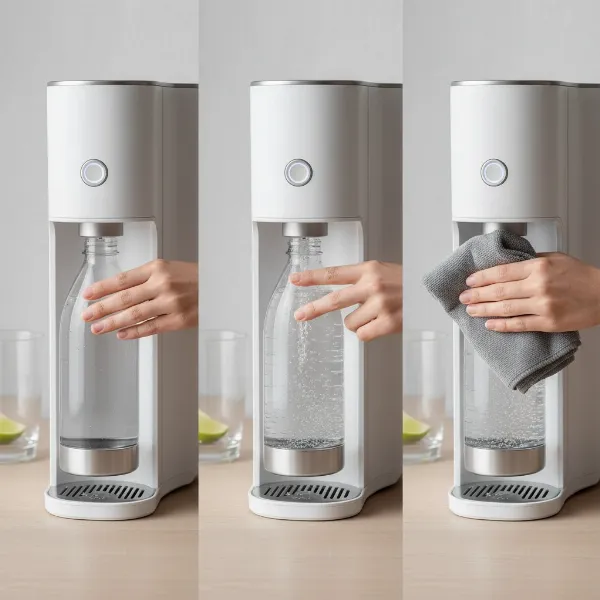
Using CO2 cylinders for sparkling water, homebrewing, or even certain household applications brings a touch of convenience and efficiency to our lives. But beyond the immediate utility lies a critical responsibility: proper storage. Just like any pressurized gas container, CO2 cylinders demand respect and adherence to specific guidelines to ensure both safety and optimal performance. Ignoring these practices can lead to not only wasted gas through leaks but also potential hazards. This guide will walk you through everything you need to know about storing CO2 cylinders safely and effectively, ensuring your carbonation experience remains smooth and leak-free.
What Are CO2 Cylinders and Why Is Safe Storage Critical?
CO2 cylinders are robust, high-pressure containers designed to hold carbon dioxide, typically in liquid form under immense pressure. From the compact cartridges that power your soda maker to larger tanks used in commercial settings like restaurants and breweries, these cylinders are integral to a multitude of applications where carbonation or gas dispensing is required.
The importance of safe storage for these seemingly innocuous devices cannot be overstated. CO2, while non-flammable, is an asphyxiant. This means that in confined spaces, a leaking cylinder can rapidly displace oxygen, posing a severe risk of suffocation. Beyond the immediate health hazard, uncontrolled pressure release can lead to property damage or, in extreme cases, a cylinder rupture. Moreover, improper storage conditions can compromise the integrity of the cylinder itself, leading to premature wear, corrosion, and ultimately, preventable leaks and financial loss. Therefore, understanding and implementing proper storage protocols is not just a recommendation; it’s a fundamental safety measure for anyone handling carbon dioxide tanks.
Understanding the Anatomy of a Leak: Causes and Risks
To effectively prevent leaks, we first need to understand why they occur and the dangers they pose. A CO2 cylinder leak is a breach in the system that allows the pressurized gas to escape, often unnoticed until it’s too late.
Common Causes of Leaks
Several factors can contribute to CO2 cylinder leaks:
- Damaged Valves or Seals: The valve assembly and its associated O-rings are the most common points of failure. Wear and tear, improper installation, or debris can compromise the seal, allowing gas to escape.
- Improper Connections: Overtightening can strip threads or crush O-rings, while undertightening results in a loose connection. Cross-threading is another common culprit, where the threads are misaligned during connection, leading to a compromised seal.
- Cylinder Damage: Physical impact, such as dropping the cylinder, can cause dents or hairline cracks in the cylinder body or valve, leading to structural weakness and potential leaks. Corrosion from damp storage conditions can also degrade the cylinder’s material over time.
- Overpressure Due to Excessive Heat: CO2 expands significantly when heated. If a cylinder is exposed to high temperatures, the internal pressure can rise beyond its designed limits, potentially triggering a safety relief valve to release gas or, in severe cases, leading to a rupture.
- Faulty Manufacturing: While rare with reputable brands, manufacturing defects can occur, resulting in weak points in the cylinder or valve assembly.
|
Our Picks for the Best Soda maker in 2026
As an Amazon Associate I earn from qualifying purchases.
|
||
| Num | Product | Action |
|---|---|---|
| 1 | Soda Siphon 1L,Portable Sparkling Water Maker,Compact Carbonated Water Machine for Flavored Drinks Reusable Beverages Machine Kit,Travel Soda Machine for Home & Outdoor |

|
| 2 | Mysoda Ruby 2 Sparkling Water Maker - Soda Streaming Machine Silent Carbonated Water Machine Robust Long-Lasting Aluminium Soda Maker 1L Water Bottle Without CO2 Cylinder - Black Copper Soda Machine |
|
| 3 | Philips Sparkling Water Maker, Soda Streaming Machine with Quick Twist Bottle, 1L BPA free PET Carbonating Bottle, Soda Maker Compatible with 60L CO2 Carbonator (NOT Included), ADD4902BKOQ/37 |
|
| 4 | SodaStream - Terra Soda Streaming Machine - STARTER KIT - Sparkling Water Maker with CO2 & Bubly Drop - Eco-Friendly, No Batteries Needed - Black |
|
| 5 | Ninja Thirsti Drink System, Soda Maker, Create Unique Sparkling and Still Drinks, Personalize Size and Flavor, Carbonated Water Machine, 60L CO2 Cylinder, Variety of Flavors, Color Black (model 1001) |
|
| 6 | SodaStream Terra Sparkling Water Maker Bundle in Black - includes 3-Pack CO2 and Carbonating Bottle |
|
| 7 | Philips Sparkling Water Maker ADD4901BKOQ/37, Plastic Soda Streaming Machine with Quick Twist Bottle, 1L BPA free PET Carbonating Bottle, Soda Maker Compatible with 60L CO2 Carbonator (NOT Included) |
|
| 8 | Black Stainless Steel Sparkling Water Maker Soda Machine Includes 1L Stainless Steel Black Bottle and 1 C02 Cylinder |
|
| 9 | Philips Soda Streaming Machine, Stainless Sparkling Water Maker Easy Install with Quick Twist 1L PET Carbonating Bottle, Soda Maker Compatible with 60L CO2 Carbonator (NOT Included), ADD4902BKOQ/37 |
|
| 10 | SodaStream - Terra Sparkling Water Maker - VALUE BUNDLE - CQC CO2 system - Includes 2x CO2 Cylinders, 3x 32 Fl Oz Dishwasher Safe Bottles, 2x Bubly Flavor Drops - Combine with Pepsi Flavors - Black |
|
Potential Dangers of Leaking CO2
The risks associated with a leaking CO2 cylinder are serious and include:
- Asphyxiation: CO2 is denser than air, meaning it will sink and accumulate in low-lying, unventilated areas. In a confined space, a significant leak can quickly reduce oxygen levels to dangerous concentrations, leading to dizziness, confusion, loss of consciousness, and even death by asphyxiation.
- Frostbite: Rapidly expanding CO2 from a leak is extremely cold. Direct contact with the escaping gas or frost-covered parts of the cylinder can cause severe frostbite.
- Cylinder Rupture: Although infrequent, an uncontrolled increase in internal pressure (often due to extreme heat) can cause the cylinder to rupture, turning it into a dangerous projectile.
- Product Loss: Even a small, slow leak means you’re losing valuable CO2, reducing the efficiency of your soda maker or other equipment and increasing operational costs.
Essential Guidelines for Safe CO2 Cylinder Storage
Implementing a robust storage strategy is your best defense against leaks and the associated hazards. These guidelines cover the critical environmental and physical aspects of CO2 cylinder storage.
Temperature and Environmental Control
Temperature is a primary factor influencing the pressure inside a CO2 cylinder. Maintaining a stable, moderate temperature is paramount for safety and leak prevention.
- Keep it Cool and Dry: The ideal storage environment for CO2 cylinders is cool and dry, away from any fluctuating temperatures. Generally, temperatures below 70°F (21°C) are recommended for safe storage. While cylinders are designed to withstand higher pressures, sustained exposure to temperatures exceeding 120-125°F (49-52°C) can cause internal pressure to rise rapidly, increasing the risk of the safety relief valve activating or even cylinder damage.
- Avoid Direct Heat and Sunlight: Never store CO2 cylinders near direct heat sources such as furnaces, ovens, stoves, fireplaces, radiators, or electrical equipment. Direct sunlight, especially in enclosed spaces like a car trunk on a hot day, can also significantly increase cylinder temperature and pressure.
- Steer Clear of Extreme Cold: While less critical for leak prevention, extreme cold can affect CO2 performance, as the gas is stored as a liquid and requires a certain temperature to maintain pressure effectively. However, the main concern for leaks is heat-induced expansion.
- Mind Humidity and Corrosive Environments: Excessive humidity can lead to corrosion on the cylinder’s surface or valve components over time, compromising its integrity. Store cylinders in an environment free from corrosive chemicals or atmospheres.
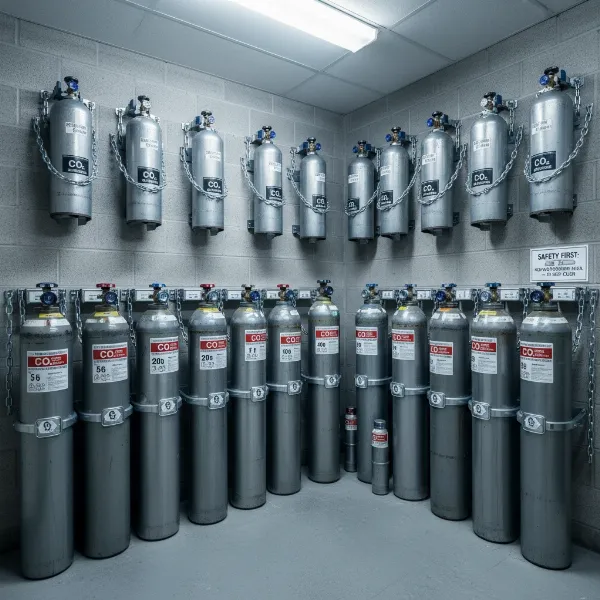 CO2 cylinders stored upright in a cool, dry, well-ventilated area, away from heat
Proper Positioning and Security
How you position and secure your cylinders is vital to prevent physical damage and accidental dislodgement.
- Store Upright and Secured: Always store CO2 cylinders in a vertical (upright) position. This ensures stability and helps manage the internal liquid CO2. It is absolutely crucial to secure them with appropriate restraints, such as chains, straps, or specialized cylinder racks, to prevent them from falling, tipping over, or rolling. Even small soda maker cylinders should be placed in stable locations where they won’t easily be knocked down.
- Avoid Stacking: Never stack CO2 cylinders on top of each other. This creates an unstable situation where the cylinders could easily topple, causing damage or uncontrolled release of gas.
- Protect from Impact: Choose a storage location where cylinders are unlikely to be struck by other objects or subjected to accidental impacts. Keep them away from high-traffic areas or routes where forklifts or other heavy equipment operate.
Ventilation and Location
The environment surrounding your CO2 cylinders plays a significant role in safety, particularly in the event of a leak.
- Well-Ventilated Areas: Always store CO2 cylinders in well-ventilated areas, whether indoors or outdoors. This ensures that any escaped gas can disperse quickly and safely, preventing accumulation to dangerous levels.
- Avoid Confined Spaces: Never store CO2 cylinders in small, enclosed spaces, basements, or unventilated closets. Because CO2 is heavier than air, it can settle and build up in low areas, displacing oxygen and creating an asphyxiation hazard.
- Distance from Combustible Materials: Keep CO2 cylinders at a safe distance (typically at least 20 feet) from combustible materials such as oils, greases, flammable liquids, open flames, or ignition sources. While CO2 itself is non-flammable, it’s a good practice to separate pressurized gases from potential fire hazards.
Best Practices for Preventing Leaks in Soda Maker CO2 Cylinders
For those using smaller CO2 cylinders in home soda makers, the general safety principles still apply, but specific attention to handling and connection can significantly reduce leak risks.
Careful Handling and Connection
The smaller size of soda maker cylinders might make them seem less hazardous, but precision in handling and connection is key.
- Gentle Handling: Avoid dropping or roughly handling your soda maker CO2 cylinders. Even seemingly minor impacts can compromise the cylinder’s integrity or valve.
- Proper Sealing and Tightening: Before inserting a new cylinder into your soda maker, always inspect the O-ring on the cylinder valve to ensure it’s clean, undamaged, and properly seated. When connecting, screw the cylinder in firmly by hand until you feel resistance, then give it a final snug turn according to your machine’s instructions. Avoid overtightening, which can damage the O-ring or threads, and undertightening, which will result in an immediate leak.
- Check for Leaks Immediately: After connecting a new cylinder, listen for any hissing sounds or apply a soapy water solution around the connection point. Bubbles indicate a leak that needs to be addressed immediately by re-seating or replacing the cylinder.
Valve Protection and Disconnection
Maintaining the valve and understanding proper disconnection procedures are vital for preventing leaks.
- Use Valve Protector Caps: When a soda maker CO2 cylinder is not in use or is being stored as a spare, always keep its protective plastic cap securely in place. This cap shields the delicate valve assembly from dust, debris, and accidental impacts that could cause damage and lead to leaks.
- Close Valve When Empty or Idle: For larger external CO2 tanks connected to soda makers (often 5lb or 20lb tanks), it’s a good practice to close the main valve on the cylinder when the system is not in use for an extended period, or when the cylinder is empty. If a regulator is attached, remove it and secure the valve cap on the cylinder. This prevents slow leaks and maintains the longevity of your equipment.
Common Storage Mistakes to Avoid
Even with the best intentions, certain common oversights can undermine safe CO2 cylinder storage. Be vigilant to avoid these pitfalls:
- Storing Horizontally Without Support: Placing cylinders flat on the ground without proper cradles or restraints can lead to rolling, damage, and puts undue stress on the valve, increasing leak risk.
- Placing Near Heat Sources: Forgetting a cylinder near a sunny window, oven, or water heater is a recipe for increased pressure and potential safety valve activation.
- Neglecting Regular Inspections: “Out of sight, out of mind” is a dangerous philosophy for CO2 cylinders. Ignoring routine checks for damage or corrosion can lead to undetected issues.
- Storing in Unventilated Spaces: A tightly sealed closet or small pantry is the worst place for a CO2 cylinder. Any leak here will quickly create a hazardous oxygen-depleted atmosphere.
- Ignoring Valve Caps: Leaving valve caps off exposes the most vulnerable part of the cylinder to damage from impacts or debris.
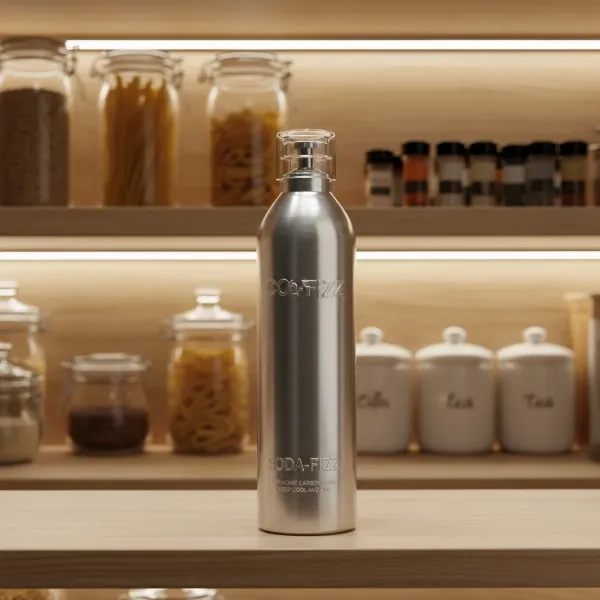 Small soda maker CO2 cylinder stored safely upright with its protective cap on, in a kitchen pantry
Recognizing and Responding to a CO2 Leak
Even with the most stringent precautions, leaks can occasionally happen. Knowing how to detect and react to a CO2 leak is crucial for safety.
- Identifying a Leak:
- Hissing Sound: The most obvious sign is a faint or distinct hissing sound emanating from the cylinder or its connections.
- Dry Ice Formation: As CO2 rapidly expands and escapes, it cools significantly, often causing frost or dry ice to form around the leak point.
- Cold Surface: The area around a leak will feel unusually cold to the touch.
- Bubbles (Soapy Water Test): If you suspect a leak but can’t see or hear it, spray a solution of soapy water (like dish soap and water) on all connections and the valve. Bubbles forming will pinpoint the exact location of the leak.
- CO2 Detectors: For larger setups or commercial environments, a dedicated CO2 monitoring system can provide an early warning of elevated CO2 levels, even if the leak is undetectable by human senses.
- Emergency Response:
- Stay Calm and Prioritize Safety: Your safety and the safety of others is paramount.
- Ventilate Immediately: If indoors, open all windows and doors to maximize ventilation.
- Evacuate if Necessary: If the leak is significant, or you feel dizzy or disoriented, evacuate the area immediately and move to fresh air.
- Close the Valve (if safe): If you can safely access the cylinder valve without risking personal injury, turn it off.
- Contact Your Supplier: Inform your CO2 supplier or a qualified technician about the leak for assessment and repair or replacement. Never attempt to repair a damaged cylinder or valve yourself.
Conclusion
Proper CO2 cylinder storage is a non-negotiable aspect of safe and efficient use, whether you’re a home soda enthusiast or managing a larger operation. By consistently adhering to guidelines for temperature control, secure positioning, adequate ventilation, and diligent inspection, you can significantly mitigate the risks of leaks and ensure the longevity of your equipment and the safety of your environment. Remember, vigilance is your best tool in preventing CO2 incidents.
What steps will you take today to secure your CO2 cylinders and protect your home or business?
Frequently Asked Questions
Is it safe to store CO2 cylinders indoors?
Yes, it is generally safe to store CO2 cylinders indoors, provided they are kept in a well-ventilated, cool, dry area, secured upright, and away from heat sources and combustible materials. Avoid storing them in confined spaces like small closets or basements.
What happens if a CO2 cylinder leaks?
If a CO2 cylinder leaks, the gas will escape. In confined spaces, this can rapidly displace oxygen, posing a risk of asphyxiation. The escaping gas is also extremely cold and can cause frostbite upon contact. Depending on the size of the leak, it can be a minor inconvenience or a serious safety hazard.
Can CO2 cylinders explode?
While rare, CO2 cylinders can rupture or explode if subjected to extreme heat, which causes the internal pressure to rise beyond the cylinder’s design limits. This is why proper temperature control and avoiding heat sources are critical safety measures. Most cylinders also have safety relief valves designed to release pressure before a catastrophic failure.
How often should I inspect my CO2 cylinder?
You should visually inspect your CO2 cylinder for any signs of damage, corrosion, or leaks before each use and periodically when stored. Pay close attention to the valve and connections. For larger industrial cylinders, routine professional inspections are also typically required.
What’s the best temperature for CO2 storage?
The best temperature for CO2 storage is a cool, dry environment, ideally below 70°F (21°C). It is critical to keep cylinders below 120-125°F (49-52°C) to prevent dangerous pressure buildup.
Can I store CO2 cylinders in my car?
Storing CO2 cylinders in a car, especially for prolonged periods, is generally not recommended. Vehicle interiors can reach dangerously high temperatures, particularly on sunny days, leading to a significant increase in cylinder pressure and posing a risk of safety valve activation or rupture. If transport is necessary, ensure the vehicle is well-ventilated, and the cylinder is secured and removed promptly upon arrival.