Brewing your own sparkling water or soda at home has become a delightful and sustainable trend, offering a personalized touch to your hydration. A pivotal choice in this journey, often overlooked, is the type of carbonating bottle you use: plastic or glass. This decision significantly impacts everything from the taste and safety of your drink to the longevity of your equipment and even your environmental footprint. Understanding the unique characteristics of each material is key to enhancing your home carbonation experience, ensuring every bubble is perfect for your lifestyle.
What Are Carbonating Bottles and Why Does Material Matter?
Carbonating bottles are specially designed vessels built to withstand the high pressures involved in infusing water with carbon dioxide. These bottles are crucial components of any home soda maker, allowing you to transform ordinary tap water into sparkling refreshment. While the concept of adding fizz to drinks has existed for centuries, modern home soda makers have made it incredibly accessible, allowing enthusiasts to craft beverages with ease.
The choice of bottle material isn’t merely aesthetic; it’s fundamental to the safety, taste, and overall experience of using your soda maker. Different materials react differently to pressure, cleaning, and even the ingredients in your drinks, directly influencing the quality and safety of your sparkling water.
The Case for Plastic Carbonating Bottles: Pros and Cons
Plastic carbonating bottles are widely popular, often included with many soda maker starter kits. Their prevalence is largely due to a range of practical advantages that cater to busy households and active lifestyles.
Advantages of Plastic Carbonating Bottles
|
Our Picks for the Best Soda maker in 2026
As an Amazon Associate I earn from qualifying purchases.
|
||
| Num | Product | Action |
|---|---|---|
| 1 | Philips Sparkling Water Maker, Soda Streaming Machine with Quick Twist Bottle, 1L BPA free PET Carbonating Bottle, Soda Maker Compatible with 60L CO2 Carbonator (NOT Included), ADD4902BKOQ/37 |

|
| 2 | Mysoda Ruby 2 Sparkling Water Maker - Soda Streaming Machine Silent Carbonated Water Machine Robust Long-Lasting Aluminium Soda Maker 1L Water Bottle Without CO2 Cylinder - Black Copper Soda Machine |
|
| 3 | Philips Sparkling Water Maker ADD4901BKOQ/37, Plastic Soda Streaming Machine with Quick Twist Bottle, 1L BPA free PET Carbonating Bottle, Soda Maker Compatible with 60L CO2 Carbonator (NOT Included) |
|
| 4 | Philips Soda Streaming Machine, Stainless Sparkling Water Maker Easy Install with Quick Twist 1L PET Carbonating Bottle, Soda Maker Compatible with 60L CO2 Carbonator (NOT Included), ADD4902BKOQ/37 |
|
| 5 | Soda Siphon 1L,Portable Sparkling Water Maker,Compact Carbonated Water Machine for Flavored Drinks Reusable Beverages Machine Kit,Travel Soda Machine for Home & Outdoor |
|
| 6 | Black Stainless Steel Sparkling Water Maker Soda Machine Includes 1L Stainless Steel Black Bottle and 1 C02 Cylinder |
|
| 7 | SodaStream - Terra Sparkling Water Maker - VALUE BUNDLE - CQC CO2 system - Includes 2x CO2 Cylinders, 3x 32 Fl Oz Dishwasher Safe Bottles, 2x Bubly Flavor Drops - Combine with Pepsi Flavors - Black |
|
| 8 | Ninja Thirsti Drink System, Soda Maker, Create Unique Sparkling and Still Drinks, Personalize Size and Flavor, Carbonated Water Machine, 60L CO2 Cylinder, Variety of Flavors, Color Black (model 1001) |
|
| 9 | SodaStream Terra Sparkling Water Maker Bundle in Black - includes 3-Pack CO2 and Carbonating Bottle |
|
| 10 | SodaStream - Terra Soda Streaming Machine - STARTER KIT - Sparkling Water Maker with CO2 & Bubly Drop - Eco-Friendly, No Batteries Needed - Black |
|
One of the most significant benefits of plastic carbonating bottles is their durability and shatter-resistance. Unlike glass, plastic bottles can withstand accidental drops and bumps without breaking, making them a safer choice, especially in homes with children or pets. This robust nature also contributes to their lightweight and portable design, making them ideal for on-the-go hydration, picnics, or outdoor activities. 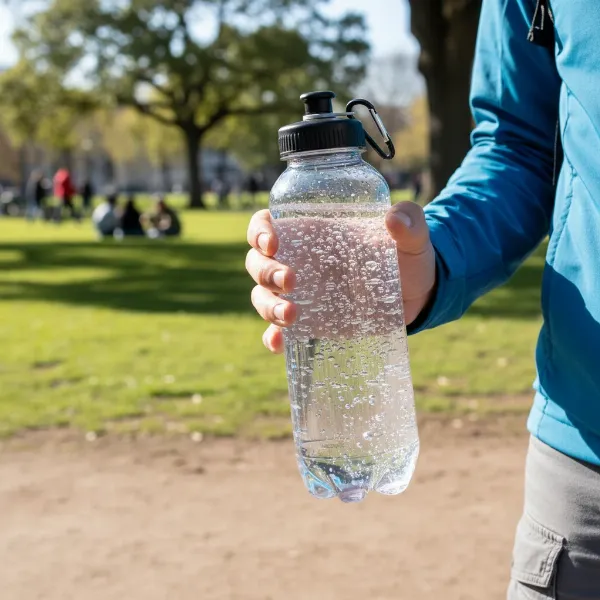 Durable and lightweight plastic carbonating bottle being used for homemade sparkling water
From an economic perspective, plastic bottles are generally more cost-effective to purchase initially and are cheaper to transport in bulk due to their lighter weight. Many modern plastic carbonating bottles are designed to be BPA-free, addressing some health concerns associated with older plastic products. Their resilience makes them a practical everyday option for frequent use.
Disadvantages of Plastic Carbonating Bottles
Despite their advantages, plastic carbonating bottles come with notable drawbacks. A primary concern for many consumers is the potential for chemical leaching, even with BPA-free plastics. While reputable brands strive to use safe materials, some individuals prefer to avoid plastic entirely due to lingering worries about microplastics or other compounds potentially migrating into their drinks over time.
Plastic bottles also have a shorter lifespan compared to glass. They are typically stamped with an expiry date, after which they must be replaced due to material fatigue from repeated pressurization. Over time, plastic can also absorb odors and flavors, especially if used for flavored sodas, which might subtly affect the taste of subsequent plain sparkling water. Furthermore, while plastic recycling has improved, the environmental impact of plastic waste remains a significant concern, leading many to seek more sustainable alternatives.
The Case for Glass Carbonating Bottles: Pros and Cons
Glass carbonating bottles offer a different set of advantages, often appealing to those prioritizing purity, sustainability, and a premium experience. They represent a classic choice that resonates with traditional beverage bottling.
Advantages of Glass Carbonating Bottles
The most compelling advantage of glass carbonating bottles is taste purity and no chemical leaching. Glass is an inert material, meaning it does not interact with the beverage it contains, ensuring your sparkling water tastes exactly as it should – clean and crisp, without any plastic or metallic aftertaste. This inertness also means there’s virtually no risk of harmful chemicals migrating into your drink.
Glass bottles boast a longer lifespan and greater reusability. They can be used repeatedly for many years without degrading, provided they are not chipped or broken. This makes them a highly eco-friendly option, as glass is 100% recyclable and can be recycled endlessly without any loss of quality. Additionally, glass offers a distinct premium feel and aesthetic, making it a stylish choice for serving guests and enhancing the presentation of your homemade beverages. Many glass carbonating bottles are also dishwasher safe, simplifying the cleaning process.
Disadvantages of Glass Carbonating Bottles
The primary drawbacks of glass bottles center around their fragility and breakability. Glass is inherently more susceptible to shattering if dropped or knocked, which poses a safety risk, especially when under pressure. This fragility also makes them less suitable for highly active environments or households with young children.
Moreover, glass bottles are significantly heavier and less portable than their plastic counterparts, making them less convenient for transport. They often come with a higher initial cost and, due to their weight and fragility, can incur greater shipping costs if purchased in bulk. While rare, safety concerns related to breakage mean extra care must always be taken during handling, carbonation, and cleaning.
Direct Comparison: Plastic vs. Glass Carbonating Bottles at a Glance
Choosing between plastic and glass often boils down to a trade-off between practicality and purity. Here’s a direct comparison to help clarify the decision:
| Feature | Plastic Carbonating Bottles | Glass Carbonating Bottles |
|---|---|---|
| Safety (Breakage) | Highly durable, shatter-resistant, safer for active use | Fragile, prone to breakage, requires careful handling |
| Chemical Leaching | Potential concern (even with BPA-free), limited lifespan | Inert, no leaching of harmful chemicals |
| Taste Purity | May absorb odors/flavors over time | Taste-neutral, preserves pure flavor |
| Weight | Lightweight, excellent for portability | Heavy, less portable |
| Lifespan | Limited (expiry date), material fatigue over time | Long, can last for many years if cared for |
| Environmental | Concerns with plastic waste, limited recyclability | Highly sustainable, endlessly recyclable |
| Initial Cost | Generally lower | Generally higher |
| Aesthetics | Practical, modern look | Premium, elegant feel |
| Cleaning | Hand wash often recommended, may stain/retain odors | Often dishwasher-safe, easy to clean |
| Carbonation Limits | Must adhere strictly to manufacturer limits | Must adhere strictly to manufacturer limits |
Choosing Your Carbonating Bottle: Factors to Consider
The “best” carbonating bottle isn’t universal; it’s the one that best aligns with your individual needs and priorities. Consider these factors when making your choice.
Lifestyle and Usage
Think about how and where you’ll be using your sparkling water. If you have a busy household with young children, or frequently take your drinks on the go, the durability and lightness of plastic might be more appealing. For adults who enjoy quiet evenings at home and appreciate a refined experience, glass might be the perfect fit.
Health Concerns
For those who prioritize minimizing exposure to plastics or potential chemical leaching, glass bottles offer peace of mind due to their inert nature. While most modern plastic carbonating bottles are BPA-free, individuals with higher sensitivities or concerns may still prefer glass.
Environmental Priorities
If long-term sustainability and reducing waste are paramount, glass stands out as the more environmentally friendly option due to its endless recyclability and extended lifespan. Although plastic bottles are recyclable, the recycling process for glass is generally more closed-loop and efficient.
Budget & Maintenance
Consider both the initial purchase price and long-term costs. Plastic bottles are cheaper upfront but require regular replacement. Glass bottles have a higher initial investment but can last much longer, potentially saving money over time. Also, think about your cleaning preferences: are you comfortable handwashing, or do you prefer the convenience of a dishwasher-safe option?
Aesthetic Preference
Do you value the elegant presentation and solid feel of glass for entertaining or personal enjoyment, or do you prefer the practical, modern look and feel of plastic? The visual and tactile experience can significantly contribute to your overall satisfaction.
Proper Care and Safety for Both Bottle Types
Regardless of the material you choose, proper care and adherence to safety guidelines are essential to ensure the longevity of your bottles and a safe carbonating experience.
General Usage Guidelines
- Never Overfill: Always fill your bottle to the designated fill line. Overfilling can lead to dangerous pressure buildup and potential leaks or ruptures.
- Use Only Water: Carbonate only plain water. Re-gassing pre-flavored drinks, juice, or alcohol can cause excessive foaming, blockages, or even bottle explosions due to the different sugar and chemical compositions interacting with CO2.
- Manufacturer-Approved Bottles: Always use bottles specifically designed for your soda maker model and approved by the manufacturer. Using unapproved or third-party bottles can lead to malfunction and serious safety hazards.
- Inspect Regularly: Before each use, quickly inspect your bottle for any cracks, scratches, chips, or signs of wear. Discard damaged bottles immediately.
Cleaning and Maintenance
For plastic bottles, handwashing with mild soap and warm water is often recommended to extend their life, as harsh dishwasher cycles can degrade the plastic over time. Ensure thorough rinsing to prevent soap residue. For glass bottles, many are dishwasher-safe, offering convenient cleaning. Always check the manufacturer’s instructions. Regardless of material, avoid abrasive cleaners or brushes that could scratch the interior.
Storage Tips
Store both plastic and glass carbonating bottles in a cool, dry place away from direct sunlight or extreme temperatures. Prolonged exposure to heat can weaken plastic and affect its integrity, while rapid temperature changes can stress glass.
Conclusion
The decision between plastic and glass carbonating bottles ultimately boils down to a personal choice, weighing practicality against purity and sustainability. Plastic offers unmatched durability, portability, and initial affordability, making it ideal for dynamic lifestyles and families. However, it comes with concerns about chemical leaching and a limited lifespan. Glass, conversely, provides unparalleled taste purity, environmental benefits, and a premium feel, though it requires more careful handling due to its fragility.
By considering your daily routine, health priorities, environmental values, and aesthetic preferences, you can confidently select the carbonating bottle that elevates your homemade sparkling beverages. What does your ideal sparkling water experience look like?
Frequently Asked Questions
Are all plastic carbonating bottles BPA-free?
Most major brands of plastic carbonating bottles are now BPA-free, clearly indicating this on their packaging. However, it’s always advisable to check the product specifications to confirm the absence of BPA and other potentially harmful chemicals.
How often should I replace my plastic carbonating bottle?
Plastic carbonating bottles typically have an expiry date stamped on them, usually 2-3 years from the date of manufacture. It’s crucial to replace them by this date, or sooner if you notice any signs of wear, cracks, or material fatigue, as their structural integrity weakens over time due to repeated pressurization.
Can I use any glass bottle with my soda maker?
No, you absolutely must only use glass bottles specifically designed and approved by your soda maker’s manufacturer for carbonation. Regular glass bottles are not built to withstand the high pressures involved in carbonation and can shatter, causing serious injury.
Do glass bottles keep carbonation better than plastic?
Glass is generally considered to be less permeable than plastic, meaning it may slightly better retain carbonation over longer periods. However, a properly sealed plastic bottle from a reputable brand will also effectively keep your sparkling water fizzy for a reasonable duration. The cap’s seal is often more critical for carbonation retention than the bottle material itself.