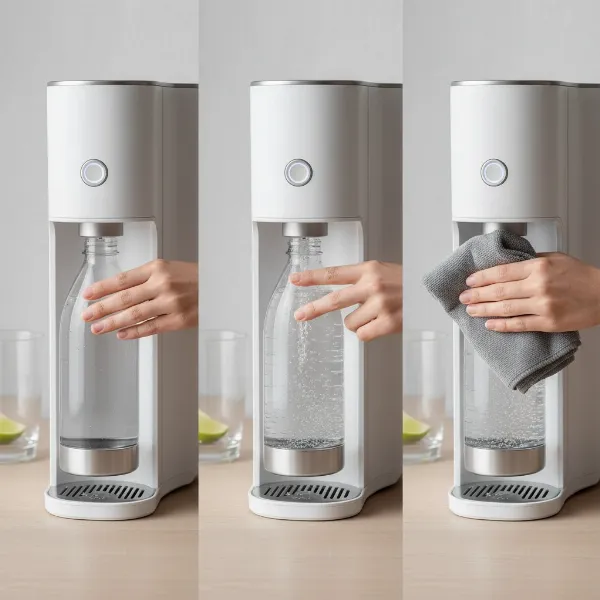
The refreshing fizz of homemade soda brings joy to countless kitchens, offering a customizable and eco-friendly alternative to store-bought beverages. At the heart of every soda maker is a pressurized CO2 canister, the magic behind those delightful bubbles. While these canisters are designed for safety and convenience, understanding their proper handling and storage is paramount. With over a decade of hands-on experience in soda maker technology, I’m here to share the crucial safety tips that will ensure your sparkling water journey is not only enjoyable but also perfectly secure.
What Makes CO2 Canisters a Safety Concern?
CO2 canisters are precision-engineered vessels that hold liquid carbon dioxide under immense pressure. For context, typical home soda maker canisters can contain CO2 at pressures often ranging from 800 to 1000 pounds per square inch (PSI), depending on the ambient temperature. This significant internal pressure is what allows for the efficient carbonation of your drinks. However, this high pressure also means that if a canister is mishandled or its integrity is compromised, it can pose serious risks. Furthermore, carbon dioxide itself is an invisible gas, colorless, odorless, and tasteless, making leaks particularly insidious and difficult to detect without proper awareness.
The Silent Dangers of Carbon Dioxide
While CO2 is a naturally occurring gas, its concentrated form within a canister presents distinct hazards that every soda maker enthusiast should understand.
Asphyxiation: The Invisible Oxygen Thief
|
Our Picks for the Best Soda maker in 2026
As an Amazon Associate I earn from qualifying purchases.
|
||
| Num | Product | Action |
|---|---|---|
| 1 | SodaStream - Terra Sparkling Water Maker - VALUE BUNDLE - CQC CO2 system - Includes 2x CO2 Cylinders, 3x 32 Fl Oz Dishwasher Safe Bottles, 2x Bubly Flavor Drops - Combine with Pepsi Flavors - Black |

|
| 2 | SodaStream - Terra Soda Streaming Machine - STARTER KIT - Sparkling Water Maker with CO2 & Bubly Drop - Eco-Friendly, No Batteries Needed - Black |
|
| 3 | Ninja Thirsti Drink System, Soda Maker, Create Unique Sparkling and Still Drinks, Personalize Size and Flavor, Carbonated Water Machine, 60L CO2 Cylinder, Variety of Flavors, Color Black (model 1001) |
|
| 4 | SodaStream Terra Sparkling Water Maker Bundle in Black - includes 3-Pack CO2 and Carbonating Bottle |
|
| 5 | Philips Sparkling Water Maker, Soda Streaming Machine with Quick Twist Bottle, 1L BPA free PET Carbonating Bottle, Soda Maker Compatible with 60L CO2 Carbonator (NOT Included), ADD4902BKOQ/37 |
|
| 6 | Philips Soda Streaming Machine, Stainless Sparkling Water Maker Easy Install with Quick Twist 1L PET Carbonating Bottle, Soda Maker Compatible with 60L CO2 Carbonator (NOT Included), ADD4902BKOQ/37 |
|
| 7 | Black Stainless Steel Sparkling Water Maker Soda Machine Includes 1L Stainless Steel Black Bottle and 1 C02 Cylinder |
|
| 8 | Soda Siphon 1L,Portable Sparkling Water Maker,Compact Carbonated Water Machine for Flavored Drinks Reusable Beverages Machine Kit,Travel Soda Machine for Home & Outdoor |
|
| 9 | Philips Sparkling Water Maker ADD4901BKOQ/37, Plastic Soda Streaming Machine with Quick Twist Bottle, 1L BPA free PET Carbonating Bottle, Soda Maker Compatible with 60L CO2 Carbonator (NOT Included) |
|
| 10 | Mysoda Ruby 2 Sparkling Water Maker - Soda Streaming Machine Silent Carbonated Water Machine Robust Long-Lasting Aluminium Soda Maker 1L Water Bottle Without CO2 Cylinder - Black Copper Soda Machine |
|
Carbon dioxide is denser than air, meaning it tends to sink and accumulate in low-lying, poorly ventilated areas, such as basements or small enclosed cabinets. In sufficient concentrations, CO2 can rapidly displace oxygen, creating an oxygen-deficient environment. This is known as asphyxiation. Symptoms of CO2 exposure can initially include headaches, dizziness, and fatigue. As concentrations rise, individuals may experience loss of consciousness and even rapid suffocation, often without realizing the danger because the gas is undetectable by human senses. For instance, OSHA guidelines suggest an acceptable exposure limit of 5,000 parts per million (ppm) over an eight-hour workday, but exposure to 30,000 ppm can lead to headaches, dizziness, and nausea, with higher levels quickly becoming lethal.
Frostbite and Cold Burns
When liquid CO2 is rapidly discharged from a canister, it undergoes a swift expansion, causing a dramatic drop in temperature. This extreme cold can lead to frostbite or severe cold burns upon contact with skin. Cylinders that have just released a significant amount of gas can also become intensely cold to the touch. It’s advisable to wear protective gloves if you need to handle a canister immediately after a rapid discharge or in situations where you suspect a leak might cause extreme cold.
Rupture Risks from Heat and Impact
The high pressure inside a CO2 canister makes it susceptible to rupture if exposed to extreme heat or physical impact. If a canister is left in direct sunlight, near a heat source, or in an area where temperatures exceed 125°F (51.7°C), the internal pressure can build dangerously, potentially leading to the canister rupturing or even exploding. Similarly, physical damage, such as dropping the canister or striking its valve, can compromise its structural integrity. A damaged valve, in particular, can cause a sudden, uncontrolled release of gas, turning the cylinder into a dangerous, uncontrolled projectile due to the immense force of the escaping gas.
Mastering Safe Storage for Your CO2 Canisters
Proper storage is the first line of defense against potential hazards. A few simple practices can significantly enhance safety.
Choose the Right Environment
Always store your CO2 canisters in a cool, dry, and well-ventilated area. Basements or pantries that remain at a consistent, moderate temperature are often ideal. Crucially, keep canisters away from direct sunlight, heat sources like stoves, ovens, or radiators, and any open flames. Maintaining an ambient temperature below 125°F (51.7°C) is essential to prevent dangerous pressure buildup inside the cylinder. Avoid storing them in garages or sheds that can experience extreme temperature fluctuations.
Secure and Upright Positioning
CO2 canisters should always be stored in an upright, vertical position. This helps maintain the internal pressure dynamics and reduces the chances of leakage. To prevent them from tipping over, which could damage the valve and lead to an uncontrolled gas release, secure them with chains, straps, or sturdy restraints. Ensure the storage surface is stable and level, free from the risk of the canister being accidentally knocked over or struck by other objects.
Avoid Confined or Unventilated Spaces
Because CO2 is heavier than air and can displace oxygen, storing canisters in small, enclosed, or poorly ventilated spaces is highly dangerous. In the event of a leak, the gas would accumulate at floor level, creating an immediate asphyxiation hazard. Always opt for areas with good air circulation to allow any minor leaks to dissipate harmlessly.
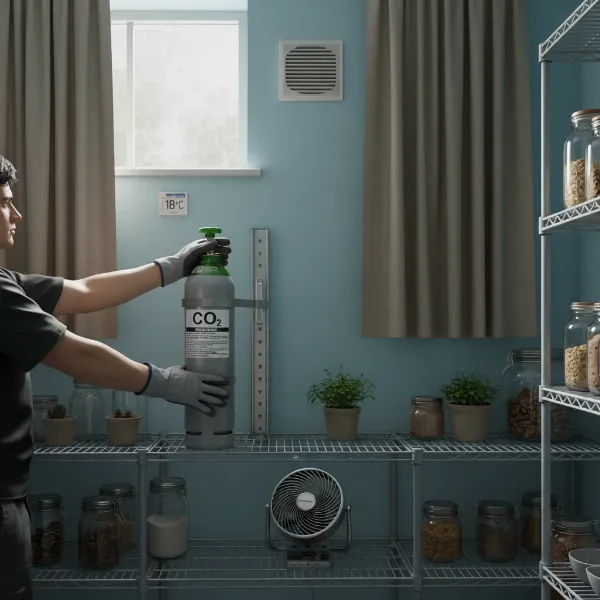 Proper storage of CO2 canisters for soda makers in a cool, dry place
Best Practices for Handling and Using Your Soda Maker Canister
Safe handling extends beyond storage, covering every interaction with your CO2 canister, from installation to daily use.
Connect with Care and Compatible Equipment
Always prioritize following the specific instructions provided by your soda maker’s manufacturer when installing or replacing a CO2 canister. Use only the equipment specified for your product, including regulators and hoses, ensuring they are suitable for the high pressure of CO2. A critical safety measure is preventing the back-feed of water or other liquids into the container, as this can lead to internal corrosion or other dangerous conditions.
Regular Inspections for Integrity
Make it a habit to regularly inspect your CO2 canister for any signs of wear or damage. Listen for a faint “hissing” sound around the valve, which could indicate a slow leak. Visually check the tank for any physical damage such as rust, deep dents, or cracks. These imperfections can weaken the canister’s structure and compromise its ability to safely contain the high-pressure gas. For refillable tanks, a hydrostatic retesting is legally required every five years to ensure the cylinder walls remain safe, with the test date typically stamped on the cylinder itself.
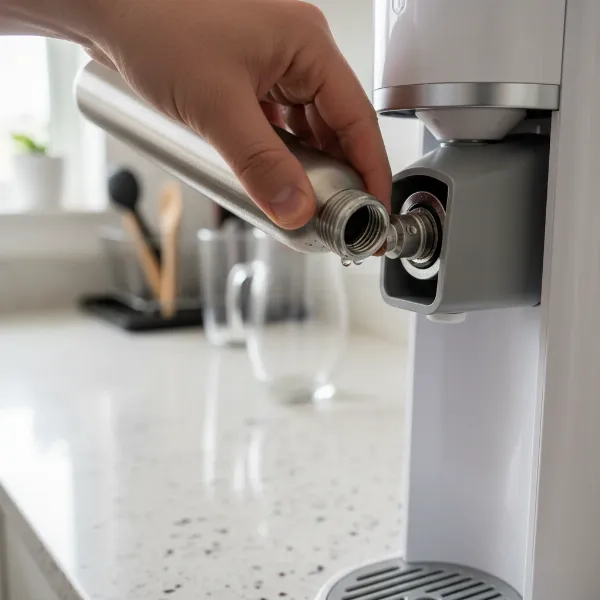 Inspecting a soda maker's CO2 canister for leaks and damage
Never Tamper with the Canister or Valve
The CO2 canister and its valve are designed with multiple safety features. Attempting to modify, disassemble, or remove the valve can lead to catastrophic failure and an uncontrolled release of gas. Always use the canister as intended by the manufacturer and never try to force connections or alter any part of the system. If a canister appears damaged or faulty, contact your supplier or the soda maker manufacturer for guidance on safe disposal or exchange.
Responding to a CO2 Incident
Knowing how to react swiftly and safely in the rare event of a CO2 incident can prevent serious injury.
Recognizing the Signs of a Leak
Beyond the visual or auditory cues like a “hissing” sound or a frosty appearance on the canister, be aware of the more subtle, physiological signs of CO2 exposure. These can include unexplained headaches, a feeling of dizziness or lightheadedness, and unusual fatigue in yourself or others in the vicinity. If your canister feels unexpectedly cold to the touch or if you notice any unusual smells (though pure CO2 is odorless, impurities might sometimes have a faint scent), investigate immediately.
Immediate Actions
If you suspect a significant CO2 leak, your priority is to ensure safety. Immediately evacuate the area, moving yourself and others to fresh air. Open windows and doors to increase ventilation and help dissipate any accumulated gas. Because CO2 collects at lower levels, it’s particularly important to move away from the floor if possible and get to an area with ample airflow.
Seeking Medical Attention
If anyone experiences symptoms of CO2 exposure, such as severe headache, rapid breathing, confusion, or loss of consciousness, seek medical help immediately. Similarly, if there’s any sign of frostbite from contact with rapidly expanding CO2, apply lukewarm water to the affected area and seek professional medical attention.
“Safety with CO2 canisters isn’t about fear, it’s about respect for the science. A little knowledge goes a long way in turning potential risks into perfectly safe, sparkling moments.” – Admin, Sodamakerpro.com, Experienced Soda Maker Technician
Conclusion
The convenience and pleasure of crafting your own carbonated beverages at home are undeniable. By understanding and diligently applying these safety tips for handling pressurized CO2 canisters, you empower yourself to enjoy your soda maker with complete peace of mind. Remember, these canisters are powerful tools, and treating them with respect and adherence to safety guidelines ensures a continuous supply of effervescent delight without compromise. Prioritize a cool, secure storage spot, inspect your equipment regularly, and always know how to react in an emergency. What steps will you take today to make your soda maker setup even safer?
Frequently Asked Questions
How often should I inspect my CO2 canister?
It’s recommended to visually inspect your CO2 canister and its connections before each use for any signs of physical damage or leaks. A more thorough check, listening for hisses and examining the valve and tank body, should be performed at least monthly. Refillable tanks also require hydrostatic retesting every five years, as indicated by a stamp on the cylinder.
Can a CO2 canister really explode?
While rare, a CO2 canister can explode or rupture if severely mishandled, exposed to extreme heat (like fire), or if its valve is significantly damaged from an impact. The high internal pressure can cause a dangerous rapid release of gas. However, modern canisters are built with safety features, and proper storage and handling drastically reduce this risk.
What are the symptoms of CO2 overexposure?
Initial symptoms of CO2 overexposure include headaches, dizziness, and fatigue. As CO2 levels increase and oxygen levels decrease, these can progress to shortness of breath, rapid heart rate, confusion, loss of consciousness, and, in severe cases, asphyxiation. Since CO2 is odorless, these symptoms are crucial indicators of a potential leak.
Is it safe to store CO2 canisters in a kitchen cabinet?
Storing CO2 canisters in a kitchen cabinet can be safe, provided the cabinet is cool, dry, well-ventilated, and large enough to store the canister upright and securely. Avoid cabinets directly above or beside heat-generating appliances like ovens. It’s crucial that the cabinet is not air-tight, allowing any potential minor leaks to dissipate.
Do I need a CO2 alarm for home soda maker use?
For typical home soda maker use with small canisters, a CO2 alarm is generally not considered mandatory, especially if you follow all storage and handling guidelines and ensure good ventilation. However, for larger CO2 tanks, or if you store multiple canisters in a very confined or poorly ventilated space, a CO2 monitoring system could provide an added layer of safety by detecting elevated CO2 levels.