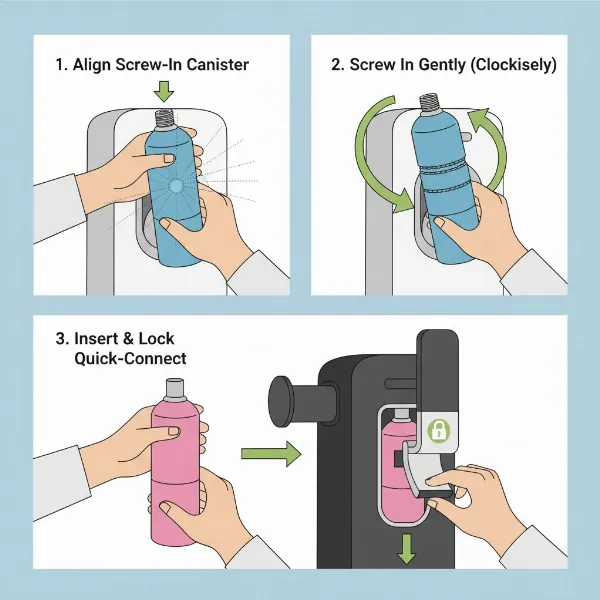
For over a century, the simple act of transforming tap water into a fizzy delight at home has captivated consumers. SodaStream, a name synonymous with home carbonation, has journeyed from an exclusive novelty for the elite to a global phenomenon embraced by millions. This remarkable evolution, spanning from its pioneering days in 1903 England to its strategic acquisition by the beverage giant PepsiCo, is a testament to innovation, adaptability, and a keen understanding of shifting consumer desires. It’s a story of how a single product could redefine an industry and remain relevant through changing times, ultimately becoming a key player in the modern quest for healthier and more sustainable living.
The Genesis of Fizz: SodaStream’s Royal Beginnings (1903-Mid 20th Century)
The story of SodaStream begins not in a bustling modern factory, but in the sophisticated drawing rooms of early 20th-century England. In 1903, Guy Hugh Gilbey, part of the renowned W & A Gilbey Ltd. gin distillers, conceived a groundbreaking “apparatus for aerating liquids.” This innovative device was designed to bring the magic of carbonation directly into affluent homes, allowing the British upper classes and even the Royal Household to craft sparkling beverages on demand. It was a luxury item, a symbol of status and convenience, far removed from the mass-market product we know today.
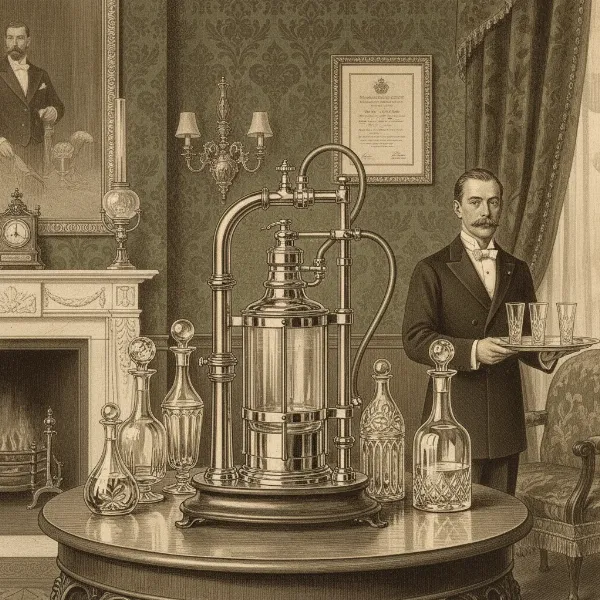 An early 20th-century SodaStream apparatus in a luxurious setting, used by the British upper classes.
By the 1920s, the company expanded its offerings beyond plain carbonated water, introducing flavored concentrates such as cherry ciderette and sarsaparilla. This marked an early step towards customization, laying the groundwork for the vast array of flavors available much later. While the early machines were often large and somewhat cumbersome, primarily installed in grand estates, the vision of personalized bubbly drinks had taken root. A significant milestone arrived in 1955 with the introduction of the first mass-market SodaStream machine designed specifically for home carbonation, signaling a shift towards broader accessibility.
From Niche Gadget to Household Name: Growth and Challenges (Mid 20th Century – 1990s)
Following the introduction of its first home-use machine, SodaStream began to spread its influence, moving beyond the UK to gain traction across Europe. For many, a SodaStream machine became a familiar sight on kitchen countertops, offering a novel way to create fizzy drinks without constant trips to the store. The product tapped into a desire for convenience and novelty, allowing users to experiment with various syrups and create custom beverages.
However, this period wasn’t without its challenges. The latter half of the 20th century saw the meteoric rise of bottled and canned soft drinks, heavily marketed by international beverage giants. These mass-produced options became increasingly affordable and ubiquitous, leading to a period where the popularity of home carbonation systems like SodaStream waned. Consumers found it easier to grab a pre-made soda, and the perceived benefits of making drinks at home became less compelling against the backdrop of widespread availability and aggressive pricing from established brands. The company changed hands several times, navigating a competitive landscape that often favored large-scale commercial production over niche home solutions.
A New Era: The Soda-Club Merger and Rebranding (1998-2007)
A pivotal moment in SodaStream’s history arrived in 1998 with its merger with Soda-Club, an Israeli company founded by Peter Wiseburgh. Wiseburgh had been a long-time distributor of SodaStream products in Israel since the late 1970s and had also patented new home carbonation machines for international distribution. This acquisition proved transformative, breathing new life into the SodaStream brand. The newly combined entity was strategically relaunched, shifting its focus significantly towards promoting healthier drink alternatives.
This re-emphasis came at a time when consumer awareness of health and wellness was beginning to grow, setting the stage for SodaStream to reposition itself not just as a soda maker, but as a healthier choice. The company’s headquarters were established in Israel, becoming the central hub for all operations. A critical leadership change occurred in 2007 when Daniel Birnbaum was appointed CEO by the Israeli private equity investment group, Fortissimo Capital Fund, which had acquired a controlling interest. Birnbaum’s arrival marked the beginning of a truly aggressive and visionary strategy that would catapult SodaStream back into the global spotlight.
The Eco-Friendly Revolution: Public Listing and Global Impact (2007-2018)
Under Daniel Birnbaum’s dynamic leadership, SodaStream embarked on a powerful rebranding mission. The company moved away from its identity as just a soda maker, instead championing itself as a sparkling water company, promoting the environmental benefits of reducing single-use plastic bottles. This strategic pivot resonated deeply with a growing consumer consciousness around sustainability and personal health. SodaStream began to position itself as a “green” alternative, directly challenging the environmental footprint of traditional bottled soda industries.
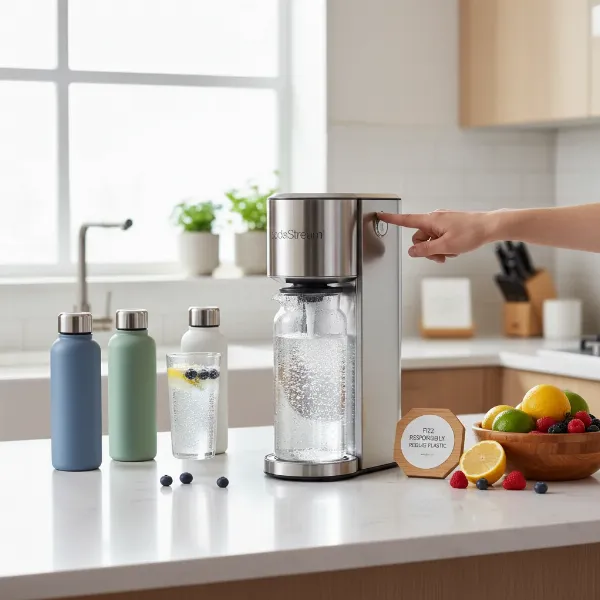 A modern SodaStream machine on a kitchen counter, surrounded by fresh fruit and sparkling water, emphasizing sustainability.
This period saw remarkable growth and market expansion. In November 2010, SodaStream went public, listing its shares on the Nasdaq stock exchange, a clear signal of its renewed confidence and market traction. The company launched bold and often provocative marketing campaigns that directly highlighted the waste generated by competing beverage giants, featuring celebrities and strong environmental messages. This aggressive approach, coupled with an expanding product line and a clear focus on the health and eco-conscious consumer, propelled SodaStream into tens of thousands of retail stores across dozens of countries. By offering a convenient, customizable, and environmentally friendly way to enjoy carbonated drinks, SodaStream firmly established itself as a global leader in home carbonation systems.
The PepsiCo Partnership: A $3.2 Billion Acquisition (2018 Onwards)
The culmination of SodaStream’s remarkable resurgence arrived in August 2018 when PepsiCo announced its intent to acquire the company for a staggering $3.2 billion. The deal was finalized in December 2018, marking a significant moment for both organizations. For PepsiCo, this acquisition was a strategic move to adapt to changing consumer preferences. The beverage giant aimed to diversify its portfolio beyond sugary soft drinks and reduce its reliance on traditional bottled beverages, aligning with global trends towards healthier options and environmental responsibility.
The acquisition was hailed as an “inspired match” by then-PepsiCo Chairman and CEO Indra Nooyi, emphasizing the shared vision of a healthier, more sustainable planet. Critically, SodaStream was allowed to maintain a strong degree of independence, retaining its brand identity, headquarters in Israel, and its unique entrepreneurial spirit within the larger PepsiCo structure. This move allowed PepsiCo to immediately tap into the growing home carbonation market and leverage SodaStream’s innovative technology and eco-friendly messaging.
The Future of Fizz: SodaStream Under PepsiCo
Under the umbrella of PepsiCo, SodaStream continues its mission to revolutionize home beverage consumption. The acquisition has provided SodaStream with unparalleled access to PepsiCo’s vast global distribution network, significantly expanding its reach into new markets and making its products more accessible worldwide. This partnership has also led to exciting product developments, including the integration of PepsiCo’s popular flavors, such as Bubly, into the SodaStream syrup lineup, offering consumers even more personalized drink options.
The brand remains committed to its core values of health, sustainability, and convenience. Innovation continues to be a driving force, with ongoing efforts to refine machine design, enhance user experience, and develop new, exciting flavor concentrates. As consumers increasingly prioritize personalized nutrition and environmental impact, SodaStream, backed by the resources and strategic vision of PepsiCo, is well-positioned to lead the future of at-home beverage creation, ensuring that the sparkling journey started in 1903 continues to bubble with promise.
Conclusion
From an exclusive device for the British aristocracy in 1903 to a global leader in sustainable home carbonation, SodaStream’s history is a compelling narrative of enduring innovation and strategic evolution. Its journey reflects a remarkable ability to adapt to market demands, from battling the rise of bottled sodas to championing an eco-conscious lifestyle. The $3.2 billion acquisition by PepsiCo in 2018 solidified SodaStream’s position at the forefront of the beverage industry, marking a crucial shift towards healthier, more sustainable choices. As we look ahead, SodaStream, empowered by PepsiCo’s global reach, is set to continue transforming the way we hydrate and enjoy sparkling drinks at home.
What new innovations do you anticipate from SodaStream as it continues to grow within the PepsiCo family?
Frequently Asked Questions
When was SodaStream founded?
|
Our Picks for the Best Soda maker in 2026
As an Amazon Associate I earn from qualifying purchases.
|
||
| Num | Product | Action |
|---|---|---|
| 1 | Philips Sparkling Water Maker ADD4901BKOQ/37, Plastic Soda Streaming Machine with Quick Twist Bottle, 1L BPA free PET Carbonating Bottle, Soda Maker Compatible with 60L CO2 Carbonator (NOT Included) |

|
| 2 | SodaStream - Terra Sparkling Water Maker - VALUE BUNDLE - CQC CO2 system - Includes 2x CO2 Cylinders, 3x 32 Fl Oz Dishwasher Safe Bottles, 2x Bubly Flavor Drops - Combine with Pepsi Flavors - Black |
|
| 3 | Mysoda Ruby 2 Sparkling Water Maker - Soda Streaming Machine Silent Carbonated Water Machine Robust Long-Lasting Aluminium Soda Maker 1L Water Bottle Without CO2 Cylinder - Black Copper Soda Machine |
|
| 4 | Soda Siphon 1L,Portable Sparkling Water Maker,Compact Carbonated Water Machine for Flavored Drinks Reusable Beverages Machine Kit,Travel Soda Machine for Home & Outdoor |
|
| 5 | Ninja Thirsti Drink System, Soda Maker, Create Unique Sparkling and Still Drinks, Personalize Size and Flavor, Carbonated Water Machine, 60L CO2 Cylinder, Variety of Flavors, Color Black (model 1001) |
|
| 6 | Philips Sparkling Water Maker, Soda Streaming Machine with Quick Twist Bottle, 1L BPA free PET Carbonating Bottle, Soda Maker Compatible with 60L CO2 Carbonator (NOT Included), ADD4902BKOQ/37 |
|
| 7 | SodaStream - Terra Soda Streaming Machine - STARTER KIT - Sparkling Water Maker with CO2 & Bubly Drop - Eco-Friendly, No Batteries Needed - Black |
|
| 8 | SodaStream Terra Sparkling Water Maker Bundle in Black - includes 3-Pack CO2 and Carbonating Bottle |
|
| 9 | Philips Soda Streaming Machine, Stainless Sparkling Water Maker Easy Install with Quick Twist 1L PET Carbonating Bottle, Soda Maker Compatible with 60L CO2 Carbonator (NOT Included), ADD4902BKOQ/37 |
|
| 10 | Black Stainless Steel Sparkling Water Maker Soda Machine Includes 1L Stainless Steel Black Bottle and 1 C02 Cylinder |
|
SodaStream was founded in England in 1903 by Guy Hugh Gilbey, initially creating an “apparatus for aerating liquids” primarily for the upper classes and royal household. The company later introduced its first mass-market home carbonation machine in 1955.
Who bought SodaStream and when?
PepsiCo acquired SodaStream for $3.2 billion. The acquisition agreement was announced in August 2018 and finalized in December 2018, marking a strategic move for PepsiCo to diversify its beverage portfolio.
Why did PepsiCo acquire SodaStream?
PepsiCo acquired SodaStream to reduce its reliance on sugary soft drinks and align with growing consumer demand for healthier, more personalized, and environmentally friendly beverage options. The acquisition provided PepsiCo with a strong presence in the home carbonation market and supported its sustainability goals by reducing plastic bottle waste.
Where is SodaStream headquartered?
SodaStream International Ltd. is headquartered in Kfar Saba, Israel. Despite being acquired by PepsiCo, SodaStream has maintained its independent operational structure and brand identity from its Israeli base.